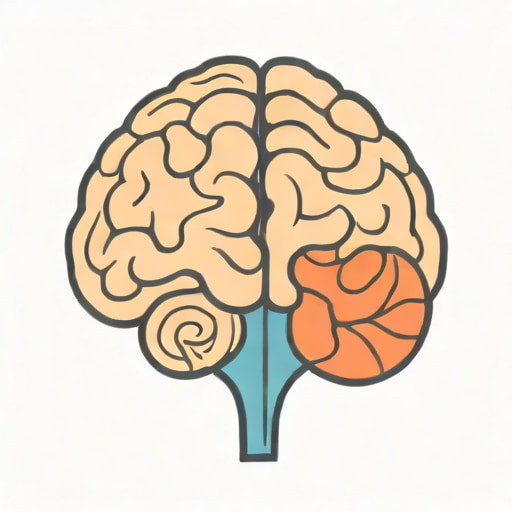
The human brain is an intricate organ responsible for controlling every aspect of our thoughts, actions, and emotions. One of the most discussed parts of the brain is the left hemisphere, which plays a vital role in a variety of cognitive and motor functions. The left hemisphere of the brain is often associated with logical thinking, analytical skills, language processing, and sequential reasoning. Understanding the structure, functions, and importance of the left hemisphere can provide insight into how humans process information, solve problems, and communicate effectively. Researchers have long studied the differences between the left and right hemispheres to understand lateralization of brain functions and how each hemisphere contributes uniquely to overall brain activity.
Structure of the Left Hemisphere
The brain is divided into two hemispheres, left and right, connected by a bundle of nerve fibers called the corpus callosum. The left hemisphere is located on the left side of the brain and is responsible for controlling the right side of the body. It is further divided into four main lobes frontal, parietal, temporal, and occipital. Each lobe in the left hemisphere has specialized functions that contribute to language, reasoning, movement, and sensory perception.
Frontal Lobe
The frontal lobe in the left hemisphere is involved in executive functions such as planning, decision-making, problem-solving, and controlling voluntary movements. It also contains Broca’s area, a critical region for speech production and language processing. Damage to the frontal lobe can result in difficulties with reasoning, motor control, and expressive language.
Parietal Lobe
The parietal lobe processes sensory information from the body, including touch, temperature, and spatial awareness. In the left hemisphere, this lobe contributes to analytical thinking, mathematical abilities, and understanding language-related spatial concepts. It helps in performing tasks that require sequential processing and attention to detail.
Temporal Lobe
The temporal lobe houses the left hemisphere’s Wernicke’s area, which is essential for language comprehension and understanding spoken and written words. This lobe also processes auditory information and helps with memory formation, making it critical for learning and verbal communication. Dysfunction in this area can lead to difficulties in understanding language, known as Wernicke’s aphasia.
Occipital Lobe
The occipital lobe is primarily responsible for visual processing. Although both hemispheres process visual information, the left hemisphere focuses on details, symbols, and language-related visual tasks, such as reading and recognizing letters and words.
Functions of the Left Hemisphere
The left hemisphere of the brain is often referred to as the logical side because it handles tasks that involve analysis, sequencing, and structured reasoning. It plays a crucial role in daily activities, learning, and communication. Some of the key functions include
- Language and SpeechThe left hemisphere controls both expressive and receptive language skills. Broca’s area manages speech production, while Wernicke’s area handles comprehension.
- Analytical ThinkingThis hemisphere excels at logical reasoning, problem-solving, and critical thinking. It helps in processing facts sequentially and making structured decisions.
- Mathematics and Number SkillsTasks involving calculations, numerical reasoning, and understanding mathematical concepts are primarily managed by the left hemisphere.
- Motor ControlThe left hemisphere controls movements on the right side of the body, including fine motor skills such as writing and precise hand movements.
- Memory for LanguageIt stores and retrieves verbal and written information, helping individuals remember names, words, and instructions.
- Sequential ProcessingThe left hemisphere excels at following sequences and understanding cause-and-effect relationships, which is vital in learning and executing complex tasks.
Left Hemisphere and Learning
The left hemisphere plays a central role in education and cognitive development. Students who are strong in left-brain functions often excel in reading, writing, and mathematics. This hemisphere allows for organized note-taking, sequential problem-solving, and comprehension of language-based subjects. Teachers often design learning activities to stimulate both hemispheres, but left-brain-focused tasks include analytical exercises, memorization, and logical reasoning challenges.
Language Development
Language acquisition is one of the most critical functions of the left hemisphere. From childhood, this hemisphere processes sounds, words, and sentence structures, enabling communication skills. Children who experience damage to the left hemisphere may face challenges in speaking or understanding language, highlighting the hemisphere’s importance in verbal development.
Mathematical and Logical Skills
Tasks that involve numbers, patterns, and analytical reasoning are heavily reliant on left-hemisphere activity. Whether solving equations, performing calculations, or analyzing data, the left hemisphere organizes information logically to facilitate accurate problem-solving.
Left Hemisphere Disorders and Dysfunctions
Damage or dysfunction in the left hemisphere can result in a variety of cognitive, motor, and language deficits. These disorders are often observed in cases of stroke, traumatic brain injury, or neurological conditions. Some common issues include
- AphasiaDamage to Broca’s or Wernicke’s area can lead to expressive or receptive language problems, affecting communication and comprehension.
- ApraxiaThis condition involves difficulty in performing coordinated movements despite having the physical ability to do so, often linked to left-hemisphere damage.
- Right-Side WeaknessSince the left hemisphere controls the right side of the body, injuries can result in paralysis or weakness in the right arm or leg.
- Cognitive ImpairmentsLogical reasoning, analytical thinking, and problem-solving abilities may be affected by left-hemisphere damage, impacting daily life and learning.
Interaction with the Right Hemisphere
Although the left hemisphere has specialized functions, it works in conjunction with the right hemisphere to achieve overall brain function. The corpus callosum allows both hemispheres to communicate, ensuring that logical thinking, creativity, and emotional processing are integrated. While the left hemisphere focuses on detail, analysis, and language, the right hemisphere handles spatial awareness, creativity, and holistic thinking. This collaboration allows humans to process complex tasks, make balanced decisions, and adapt to various situations.
Brain Lateralization
Brain lateralization refers to the tendency for some neural functions or cognitive processes to be more dominant in one hemisphere than the other. Understanding lateralization helps researchers and educators develop strategies for learning, therapy, and rehabilitation. While the left hemisphere is dominant in language and analytical tasks for most right-handed individuals, there is variability in hemispheric dominance among individuals, with some showing more balanced activity or right-hemisphere dominance.
The left hemisphere of the brain is an essential component of human cognition, responsible for language, analytical thinking, motor control, and sequential reasoning. Its functions support daily life, education, problem-solving, and communication, making it critical for personal and professional success. Understanding its structure, capabilities, and interaction with the right hemisphere provides insight into how the brain functions as a whole. Maintaining brain health, engaging in cognitive exercises, and seeking prompt treatment for neurological issues are vital for preserving left-hemisphere functions. Overall, the left hemisphere plays a central role in shaping how we think, communicate, and navigate the world.