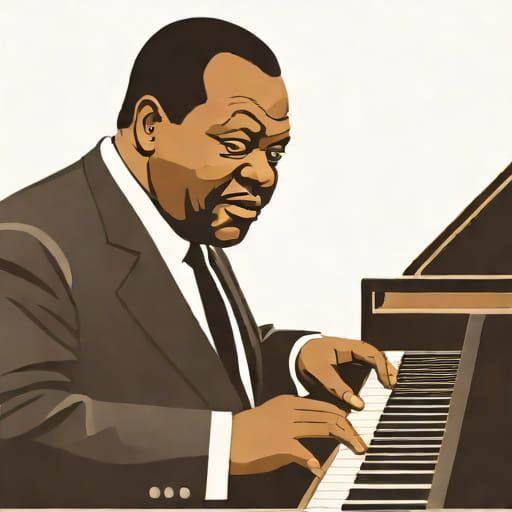
Oscar Peterson, one of the most celebrated jazz pianists of the 20th century, showcased his remarkable talent and versatility in a series of performances paying tribute to the legendary Count Basie. Known for his virtuosic technique, impeccable timing, and deep understanding of jazz harmony, Peterson approached Basie’s music with both reverence and innovation. The project Oscar Peterson Plays Count Basie stands as a testament to Peterson’s ability to interpret and celebrate the work of his peers while injecting his own unique style. Audiences and jazz enthusiasts have long appreciated the energy, swing, and sophistication that Peterson brought to Basie’s iconic repertoire, making this collaboration, even in tribute form, a significant moment in jazz history.
Background of Oscar Peterson
Born in Montreal, Canada, in 1925, Oscar Peterson rose to prominence as a prodigious pianist with a natural flair for improvisation and rhythm. Throughout his career, Peterson collaborated with numerous jazz legends, including Ella Fitzgerald, Louis Armstrong, and Dizzy Gillespie. His style combined technical brilliance with emotional depth, allowing him to navigate complex arrangements effortlessly. Peterson was particularly noted for his ability to swing, a quality that made him a perfect interpreter of Count Basie’s work, known for its rhythmic drive and blues-infused sophistication.
Early Influences and Career Highlights
- Studied classical piano while developing a strong foundation in jazz improvisation
- Formed the Oscar Peterson Trio in the 1950s, solidifying his reputation as a leading jazz pianist
- Known for rapid runs, intricate chord voicings, and impeccable timing
- Recorded extensively, leaving a legacy of over 200 albums across his career
- Won multiple Grammy Awards and received international recognition for contributions to jazz
These achievements set the stage for Peterson’s later projects, including his homage to Count Basie.
Who Was Count Basie?
Count Basie, born in 1904 in Red Bank, New Jersey, was one of the most influential bandleaders and pianists in jazz history. His orchestra, the Count Basie Orchestra, became famous for its swing style, blues influence, and dynamic arrangements. Basie’s minimalist yet highly effective piano style emphasized rhythm and timing, providing a foundation for the entire band. His music inspired generations of jazz musicians, including Oscar Peterson, who admired Basie’s ability to create a swinging, infectious groove without excessive ornamentation.
Basie’s Musical Legacy
- Pioneered the Kansas City swing style
- Led one of the most successful big bands in jazz history
- Known for signature tunes such as One O’Clock Jump and April in Paris
- Influenced countless musicians with his rhythmic precision and economical piano style
- Received multiple awards and honors, including posthumous recognition in the Jazz Hall of Fame
Understanding Basie’s approach is essential to appreciating how Oscar Peterson interpreted his music, combining Basie’s simplicity with Peterson’s virtuosic flair.
Concept of Oscar Peterson Plays Count Basie
The concept behind Oscar Peterson Plays Count Basie was to pay tribute to Basie’s influential style while highlighting Peterson’s unique piano artistry. Unlike typical orchestral performances, Peterson’s renditions often featured trio arrangements, allowing for intimate exploration of Basie’s tunes. The project emphasized the swing, rhythm, and bluesy undertones characteristic of Basie’s work, with Peterson adding his signature fast runs, harmonic embellishments, and dynamic interpretations. Listeners could hear familiar Basie melodies transformed through Peterson’s pianistic lens, blending homage with personal expression.
Musical Elements in the Tribute
- Swing rhythm maintained throughout, honoring Basie’s signature groove
- Improvised piano solos that expanded on Basie’s original motifs
- Trio settings that allowed flexibility in interpretation
- Incorporation of blues elements reflecting Basie’s roots
- Creative variations in tempo, dynamics, and phrasing
These elements illustrate how Peterson not only respected Basie’s legacy but also contributed to it by exploring new possibilities within the compositions.
Notable Recordings and Performances
Several recordings capture Oscar Peterson’s homage to Count Basie, showcasing both technical mastery and deep understanding of Basie’s musical language. Albums and live performances include renditions of classics such as Jumpin’ at the Woodside, Shiny Stockings, and Corner Pocket. In these performances, Peterson demonstrates how a single pianist can evoke the energy of an entire big band through clever voicings, rhythmic interplay, and dynamic control.
Highlights of the Recordings
- Innovative solo and trio interpretations of big band standards
- High-energy performances that retain Basie’s swing feel
- Creative improvisation that expands on Basie’s original harmonies
- Emphasis on groove and rhythmic precision, essential to Basie’s style
- Collaborations with skilled bassists and drummers to create a full, resonant sound
These recordings remain a favorite among jazz enthusiasts and serve as a reference for understanding both Basie’s influence and Peterson’s pianistic genius.
Impact on Jazz and Legacy
Oscar Peterson Plays Count Basie had a significant impact on jazz, demonstrating the importance of musical lineage and the art of interpretation. Peterson’s work brought Basie’s music to new audiences, inspiring younger musicians to explore swing, blues, and improvisation. Additionally, the project reinforced the notion that jazz is a living tradition, where contemporary artists reinterpret and celebrate the achievements of earlier masters.
Contributions to Jazz Appreciation
- Bridged the gap between big band jazz and modern piano trio formats
- Encouraged new listeners to explore Count Basie’s original recordings
- Highlighted the importance of rhythm, swing, and phrasing in jazz performance
- Inspired musicians to balance technical skill with emotional expression
- Preserved and celebrated the legacy of one of jazz’s most influential figures
Through these contributions, Peterson not only honored Basie but also strengthened the ongoing dialogue between jazz generations.
Oscar Peterson’s tribute to Count Basie remains a landmark in jazz history, demonstrating the profound respect and understanding one great musician can have for another. By interpreting Basie’s music through his unique pianistic style, Peterson preserved the spirit of swing while adding innovative and personal touches. The project illustrates the power of homage in music, where historical appreciation and creative expression intersect. Oscar Peterson Plays Count Basie continues to inspire listeners, musicians, and jazz enthusiasts, showcasing how two legendary artists from different eras can connect through rhythm, harmony, and the universal language of jazz.