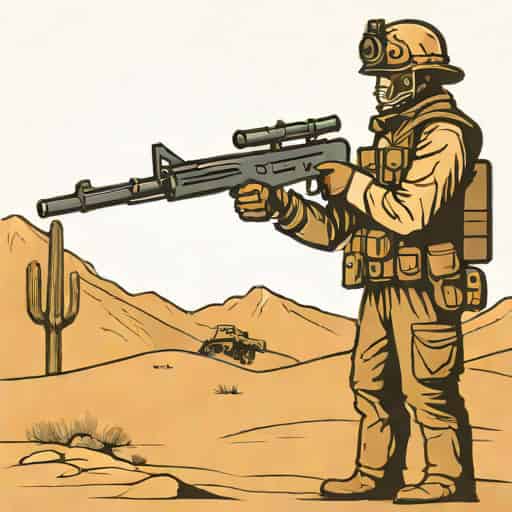
New Vegas Desert Survivalist is a unique guide and resource for anyone looking to navigate and thrive in the harsh, arid environment of the Mojave Desert. Whether for survival enthusiasts, adventurers, or fans of post-apocalyptic gaming scenarios, this approach combines practical survival skills, knowledge of the desert ecosystem, and strategies for dealing with extreme conditions. Surviving in the desert requires preparation, awareness, and adaptability, and the New Vegas Desert Survivalist offers insights into essential tools, techniques, and mindset required to endure long days under the scorching sun and frigid nights. It emphasizes the importance of resourcefulness, from finding water to shelter, while also addressing the mental and physical challenges that come with desert survival.
Understanding the Mojave Desert Environment
The Mojave Desert, where the New Vegas Desert Survivalist focuses its attention, is one of the most extreme environments in North America. Characterized by high daytime temperatures, cold nights, limited water sources, and unique flora and fauna, it presents a formidable challenge to anyone venturing into its expanse. Knowledge of the terrain is crucial for survival, including understanding the patterns of desert storms, the location of natural shelters, and the habits of local wildlife. The desert is not only physically demanding but also mentally taxing, requiring resilience, patience, and strategic thinking to manage the risks effectively.
Understanding the ecosystem is also key for foraging, navigation, and avoiding hazards. Desert plants like cacti, creosote bushes, and Joshua trees provide both nourishment and shade, while animals such as lizards, snakes, and coyotes play significant roles in the balance of this arid habitat. The New Vegas Desert Survivalist emphasizes respecting the environment while utilizing available resources wisely.
Essential Survival Skills
Survival in the desert demands a set of skills that go beyond basic outdoor knowledge. The New Vegas Desert Survivalist highlights several core abilities necessary for staying safe and healthy in extreme conditions
- Water SourcingIdentifying natural water sources such as springs, cactus water, or condensation collection is critical to prevent dehydration.
- NavigationUsing maps, landmarks, and natural indicators like the position of the sun and stars helps maintain direction and avoid getting lost.
- Shelter BuildingCreating shade from the sun and insulation from cold nights using natural materials or portable gear is essential.
- Fire MakingTechniques for starting a fire using limited resources provide warmth, cooking capability, and a signaling method for help.
- Food ProcurementIdentifying edible plants and small animals while avoiding poisonous species ensures sustained energy.
These skills are complemented by mental preparedness, as desert survival often involves extended periods of isolation, unpredictable weather, and the constant need for vigilance.
Equipment and Gear Recommendations
The New Vegas Desert Survivalist underscores the importance of selecting the right equipment to increase chances of survival. Proper gear reduces risk, conserves energy, and enhances the ability to endure harsh conditions. Recommended items include lightweight, breathable clothing, sturdy footwear, a reliable water container, navigation tools, and multipurpose survival kits. Additionally, sunglasses, hats, and sunscreen are vital for protection against intense sunlight.
Backpacks should be organized to prioritize essential items, including food, first aid kits, and communication devices. Portable shelters like tents or tarps can be lifesaving when weather conditions change rapidly. The New Vegas Desert Survivalist also emphasizes adaptability, suggesting that gear choices may vary depending on the specific region of the desert, season, and intended duration of stay.
Survival Strategies for Day and Night
Daytime and nighttime conditions in the desert are vastly different, requiring separate strategies. During the day, temperatures can soar above 100 degrees Fahrenheit, making it important to minimize exposure to direct sunlight. Strategies include traveling during cooler hours, staying in shaded areas, and conserving energy. Hydration becomes critical, and understanding how to ration and locate water can prevent serious dehydration or heatstroke.
Nighttime, on the other hand, can bring freezing temperatures. Insulating clothing, setting up proper shelter, and maintaining a controlled fire help preserve body heat. Awareness of nocturnal predators and insects is also necessary for safety. The New Vegas Desert Survivalist provides detailed tips on transitioning between day and night strategies to ensure continuous protection and readiness.
Navigation and Orientation
Successful desert survival relies heavily on navigation and orientation skills. Unlike forests or urban environments, the desert offers fewer visual cues and landmarks, which can make disorientation a real threat. The New Vegas Desert Survivalist emphasizes the use of both natural indicators and technological tools. The sun’s position, star constellations, wind direction, and landscape features all assist in maintaining a sense of direction.
Modern technology such as GPS devices, compasses, and portable maps complements traditional navigation skills. The combination of traditional and modern techniques ensures that survivalists can move efficiently, avoid hazards, and reach water sources or safe zones effectively. Planning routes in advance and marking key points also enhances the ability to adapt when unexpected obstacles arise.
Psychological Preparedness
Surviving in the desert is not only a physical challenge but also a mental one. The New Vegas Desert Survivalist emphasizes the importance of psychological preparedness, including stress management, focus, and maintaining motivation. Loneliness, extreme conditions, and unexpected setbacks can quickly erode confidence and decision-making ability. Techniques such as setting small achievable goals, practicing mindfulness, and maintaining a positive mindset are highlighted as crucial for sustaining mental resilience.
Teamwork and communication also play a role in survival situations, particularly when groups navigate the desert together. Supporting one another, sharing responsibilities, and making collective decisions improve safety and increase the chances of success.
Learning from Post-Apocalyptic Scenarios
The New Vegas Desert Survivalist draws inspiration from post-apocalyptic scenarios and gaming contexts, where survival in a hostile desert environment is a central theme. These scenarios provide valuable lessons in resource management, strategic thinking, and adaptability. Players or enthusiasts learn to prioritize needs, assess risks, and anticipate challenges before they occur, which translates into real-world skills for desert exploration.
By combining entertainment with practical knowledge, the New Vegas Desert Survivalist engages users while teaching essential survival principles. This approach helps reinforce learning, improve problem-solving skills, and prepare individuals for both real-life and simulated desert experiences.
The New Vegas Desert Survivalist offers a comprehensive guide for navigating the harsh conditions of the Mojave Desert and similar arid environments. By emphasizing essential skills, proper equipment, strategic planning, and psychological resilience, it equips adventurers and survival enthusiasts with the tools needed to thrive in extreme conditions. From water sourcing and shelter building to navigation, day-night strategies, and mental preparedness, the guide covers all aspects of desert survival. Whether for practical outdoor expeditions, educational purposes, or gaming-inspired learning, the principles outlined in the New Vegas Desert Survivalist provide valuable insights for enduring one of the most challenging environments on earth, combining safety, efficiency, and adaptability to maximize survival and enjoyment.