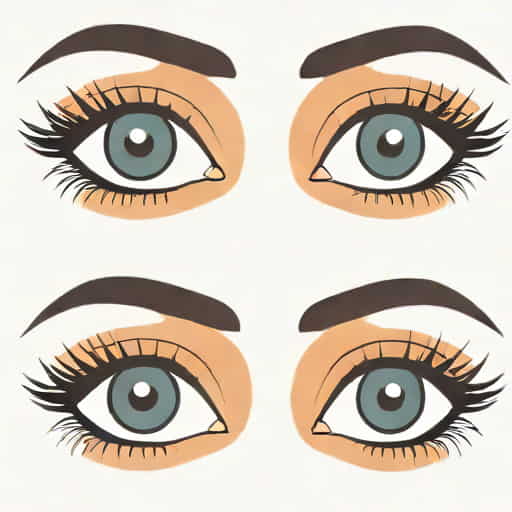
Eyes looking in different directions is a condition that can capture attention instantly and raise questions about health, perception, and visual function. This phenomenon, often medically referred to as strabismus, occurs when the eyes do not align properly and point in different directions. It can affect individuals of any age, from infants to adults, and may result in challenges with vision, depth perception, and social interaction. Beyond the medical perspective, eyes looking in different directions can also carry symbolic meanings in art, culture, and psychology, representing confusion, duality, or unique perspective. Understanding the causes, types, and implications of this condition is essential for both health awareness and a deeper appreciation of its broader significance.
Medical Causes of Eyes Looking in Different Directions
Strabismus, the medical term for eyes that do not align, can occur for a variety of reasons. It may develop in childhood due to genetic factors or issues with the muscles controlling eye movement. Some individuals are born with congenital strabismus, while others develop it later due to trauma, neurological conditions, or eye diseases. In adults, eyes looking in different directions can be caused by stroke, brain injury, or conditions affecting the cranial nerves. Understanding the underlying cause is crucial for proper diagnosis and treatment.
Types of Strabismus
Strabismus can present in several forms, depending on the direction of the misalignment
- EsotropiaOne or both eyes turn inward toward the nose.
- ExotropiaOne or both eyes turn outward, away from the nose.
- HypertropiaOne eye is higher than the other, looking upward.
- HypotropiaOne eye is lower than the other, looking downward.
Each type can have different implications for vision and may require specific approaches for treatment or correction.
Symptoms and Visual Effects
People with eyes looking in different directions may experience a variety of visual symptoms. Double vision, blurred vision, or difficulty with depth perception are common challenges. Children with strabismus might develop amblyopia, often called lazy eye, where the brain favors one eye over the other, leading to reduced vision in the misaligned eye. Adults may experience headaches, eye strain, or discomfort due to the extra effort required to maintain focus. Early detection is important to prevent long-term visual complications and improve overall eye function.
Psychological and Social Implications
Beyond physical symptoms, eyes looking in different directions can affect self-esteem and social interactions. People may feel self-conscious about the appearance of their eyes, leading to anxiety or avoidance in social situations. In children, peers’ reactions can impact confidence and social development. Awareness and understanding from family, educators, and communities are crucial in supporting individuals with strabismus. Modern corrective treatments also help reduce social stigma and improve quality of life.
Treatment Options
Treating eyes looking in different directions involves a combination of approaches depending on age, severity, and underlying cause. Early intervention often yields the best results, especially in children. Treatment methods include
- Eyeglasses or Contact LensesCorrect refractive errors that may contribute to misalignment.
- Prism LensesHelp align the visual fields for more comfortable vision.
- Vision TherapyExercises designed to improve eye coordination and strengthen visual skills.
- SurgeryIn cases of severe misalignment, surgical adjustment of eye muscles may be necessary to restore proper alignment.
Choosing the right treatment depends on a thorough evaluation by an eye care professional, who can assess the type, cause, and severity of the misalignment.
Symbolic Meanings and Cultural Interpretations
Beyond the medical realm, eyes looking in different directions have held symbolic significance in various cultures and art forms. In painting and sculpture, misaligned eyes can convey a sense of duality, introspection, or complex emotional states. Literature and film sometimes use this imagery to indicate a character’s unique perspective, inner conflict, or eccentricity. These symbolic interpretations highlight how physical traits can carry deeper meanings and resonate emotionally with observers.
Artistic Representations
- In surrealist art, eyes looking in different directions may represent multiple layers of consciousness or fragmented perception.
- Portraits sometimes use slight eye misalignment to capture the uniqueness of an individual’s personality.
- In modern media, characters with eyes pointing in different directions can emphasize comedic traits or unconventional thinking.
Preventive Measures and Early Detection
Early detection of eye misalignment is essential, particularly in children. Regular eye exams help identify issues before they lead to amblyopia or more severe complications. Parents and caregivers should observe signs such as squinting, tilting the head to see clearly, or frequent eye rubbing. Prompt referral to an eye specialist ensures timely intervention and improves long-term visual outcomes. Preventive measures include managing underlying health conditions, ensuring proper visual development, and seeking professional guidance when concerns arise.
Living with Eyes Looking in Different Directions
For individuals living with eyes that look in different directions, adapting to daily life and maintaining confidence are important. Support networks, including family, educators, and healthcare providers, play a critical role. Modern corrective options, both surgical and non-surgical, allow many people to achieve functional vision and improved appearance. Acceptance, awareness, and education about the condition help reduce stigma and empower individuals to lead active, fulfilling lives.
Eyes looking in different directions, medically known as strabismus, is a condition with both physical and emotional dimensions. It affects vision, depth perception, and social interaction while also carrying symbolic meaning in art and culture. Early detection and appropriate treatment are essential for optimal outcomes, particularly in children, but even adults can benefit from corrective measures. Understanding the causes, types, and impacts of this condition helps raise awareness, reduce stigma, and encourage support for those affected. Beyond the medical perspective, the unique visual quality of misaligned eyes has inspired cultural, artistic, and psychological exploration, highlighting the complex ways human perception and identity intersect.