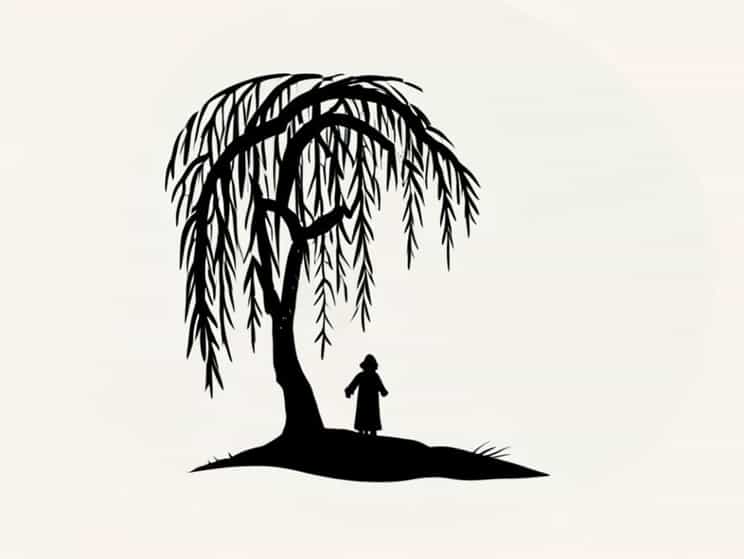
The Wind in the Willows by Kenneth Grahame is one of the most cherished classics of English literature, offering timeless stories of friendship, adventure, and the joys of nature. Among its many enchanting episodes, the Christmas chapter stands out as a celebration of warmth, generosity, and the magic of the holiday season. This chapter captures the spirit of winter and holiday cheer, blending Grahame’s rich descriptive style with his deep understanding of character and community. The story presents a cozy yet lively vision of Christmas along the riverbank, where the familiar characters-Mole, Rat, Toad, and Badger-come together in joyous festivities, reflecting both the innocence and sophistication of Grahame’s storytelling. Exploring the Christmas chapter offers insights into themes of friendship, hospitality, and seasonal tradition within the larger context of this beloved novel.
Overview of The Wind in the Willows
First published in 1908, The Wind in the Willows is celebrated for its anthropomorphic depiction of animals who live in the English countryside. The novel combines adventure, pastoral imagery, and gentle humor to create a world that is both fantastical and deeply rooted in the rhythms of nature. While the book covers many episodes-from Toad’s reckless motorcar escapades to Rat’s peaceful river excursions-the Christmas chapter is particularly memorable for its warmth and festive charm. Grahame’s skill in portraying both character development and environmental detail allows readers to feel the cold winter air, the sparkling snow, and the comfort of hearth and home.
The Christmas Chapter
The Christmas chapter, often referred to as A Winter Adventure or The Christmas Chapter, presents the characters engaging in holiday preparations and celebrations. Unlike modern depictions of Christmas, Grahame emphasizes the simplicity and intimacy of the season. Mole, Rat, and their friends experience the magic of the river and the countryside transformed by winter, and their interactions reflect the kindness, generosity, and camaraderie that define the novel. The chapter illustrates how ordinary life can become extraordinary through friendship and celebration, and it conveys a timeless message of joy and community during the holiday season.
Setting and Atmosphere
Grahame’s descriptions of the Christmas season are rich with sensory detail. The winter landscape along the riverbank is depicted with snow-covered fields, icy waters, and the glitter of frost on the willows. The atmosphere is both tranquil and festive, creating a perfect backdrop for the characters’ seasonal activities. Fires burn warmly in their homes, food is prepared with care, and the friends gather to enjoy each other’s company. This attention to environmental detail makes the Christmas chapter a vivid and immersive experience for readers, highlighting Grahame’s talent for blending natural beauty with human-or animal-emotion.
Characters and Festive Spirit
The Christmas chapter showcases the personalities of Grahame’s beloved characters in a festive context
- MoleMole’s gentle curiosity and appreciation for comfort shine during the holiday season. He is often delighted by the simple pleasures of warmth, food, and companionship.
- RatRat’s love for the river and his loyal friendship with Mole are highlighted, as he takes joy in sharing stories and participating in seasonal activities.
- ToadToad’s exuberant and sometimes reckless nature adds humor and excitement to the celebrations. Even during winter, his antics bring energy and unpredictability to the festivities.
- BadgerBadger embodies wisdom and stability, often guiding the younger characters and contributing to the sense of security and order during the holiday gathering.
These interactions create a sense of community that is central to the Christmas chapter. Grahame emphasizes the importance of friendship, hospitality, and mutual care, suggesting that the true spirit of the season lies in connection and kindness.
Thematic Significance
The Christmas chapter reinforces several key themes of The Wind in the Willows. One of the most prominent is the value of friendship. Through shared meals, storytelling, and communal enjoyment of the winter landscape, Grahame portrays a network of care and companionship. The chapter also highlights the theme of seasonal change and the natural cycles of life. Winter is presented as a time for reflection, warmth, and community, contrasting with the adventures and risks of other parts of the novel. Additionally, the Christmas chapter reflects the theme of domestic comfort, showing how home and hearth serve as centers of safety, joy, and celebration.
Symbolism of Winter and Christmas
- Winter symbolizes rest, reflection, and the quiet joys of life away from adventure.
- Snow and ice create a magical, transformative landscape that encourages wonder and play.
- Christmas represents generosity, friendship, and the importance of shared experiences.
- The warmth of home and fire contrasts with the cold outdoors, emphasizing safety and community.
Impact on Readers
The Christmas chapter of The Wind in the Willows continues to captivate readers of all ages. Its combination of cozy imagery, engaging character dynamics, and subtle humor makes it ideal for holiday reading. The chapter has inspired adaptations in theater, radio, and television, often emphasizing the charm and nostalgia of Grahame’s depiction of a winter riverbank. For young readers, the chapter introduces the joys of reading and the magic of seasonal storytelling, while adult readers appreciate its literary craftsmanship, gentle moral lessons, and timeless depiction of friendship and nature.
Educational and Cultural Value
The Christmas chapter also holds educational and cultural significance. It provides an example of early 20th-century English literature that blends anthropomorphism with detailed environmental description. Teachers and parents often use it to illustrate themes of kindness, generosity, and the importance of community. Culturally, the chapter reflects a vision of Christmas that emphasizes togetherness and simplicity, differing from modern commercialized portrayals. This makes it valuable for discussions about literature, holiday traditions, and environmental appreciation.
The Christmas chapter in Kenneth Grahame’s The Wind in the Willows is a beautiful example of how literature can capture the essence of a season while deepening character development and thematic resonance. Through the winter adventures of Mole, Rat, Toad, and Badger, readers experience the warmth of friendship, the wonder of nature, and the joy of communal celebration. The chapter highlights Grahame’s mastery of language, imagery, and characterization, making it a timeless piece of holiday literature. Its enduring appeal lies in its ability to evoke both nostalgia and delight, reminding readers that the true spirit of Christmas is found in generosity, companionship, and the simple pleasures of life along the riverbank.