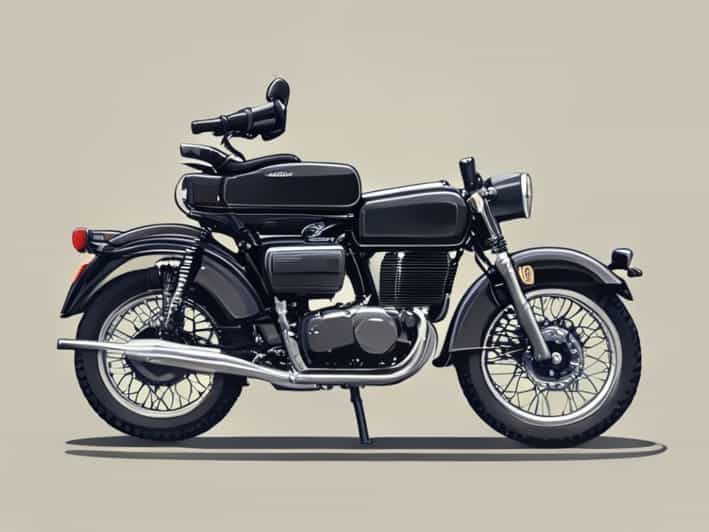
The Royal Enfield Continental GT 650 is a modern classic motorcycle that has captured the attention of riders worldwide due to its stylish cafe racer design, powerful parallel-twin engine, and reliable performance. One of the key considerations for potential buyers is fuel economy, as it directly affects the overall cost of ownership and the practicality of the motorcycle for daily commuting or long-distance rides. Understanding the fuel efficiency of the Continental GT 650 is essential for riders who want to balance performance with cost-effectiveness and sustainability.
Overview of the Continental GT 650
The Royal Enfield Continental GT 650 features a 648cc parallel-twin engine that produces around 47 horsepower and 52 Nm of torque. Its design pays homage to classic cafe racers, combining a sporty stance with comfortable ergonomics. The motorcycle is equipped with a 6-speed gearbox, a steel tubular frame, and high-quality suspension components, making it suitable for both city commuting and highway cruising.
Engine and Performance
The 648cc engine of the Continental GT 650 is air and oil-cooled, with a fuel injection system designed to optimize combustion efficiency. The parallel-twin configuration provides smooth power delivery and a distinctive exhaust note. The engine’s design emphasizes both performance and efficiency, allowing riders to enjoy spirited rides without excessive fuel consumption.
Factors Affecting Fuel Economy
Fuel economy on the Continental GT 650 can vary based on several factors. Understanding these factors can help riders optimize mileage and make informed decisions about riding habits and maintenance practices.
Riding Style
One of the primary factors affecting fuel efficiency is riding style. Aggressive acceleration, high-speed riding, and frequent gear changes can reduce mileage significantly. Conversely, smooth throttle control, maintaining steady speeds, and anticipating traffic conditions contribute to better fuel economy.
Load and Weight
The weight of the rider, passenger, and any additional cargo affects fuel consumption. Carrying heavy loads or frequently riding with a passenger can increase engine strain, leading to slightly lower fuel efficiency.
Traffic and Road Conditions
Urban riding with frequent stops and starts generally consumes more fuel than highway cruising. Smooth, uninterrupted highways allow the engine to operate efficiently at consistent RPMs, improving mileage. Road surface quality, inclines, and wind resistance also play a role in overall fuel consumption.
Maintenance and Engine Health
Regular maintenance is crucial for optimal fuel economy. Ensuring proper tire pressure, clean air filters, well-maintained spark plugs, and timely oil changes can improve engine efficiency. A neglected motorcycle with clogged filters or worn components will inevitably consume more fuel.
Fuel Economy of the Continental GT 650
The Royal Enfield Continental GT 650 is reported to achieve an average fuel economy of approximately 25-28 kilometers per liter (km/l) under normal riding conditions. This translates to roughly 59-66 miles per gallon (mpg) in countries using the imperial system. Actual mileage may vary depending on factors such as riding style, road conditions, and load.
City vs Highway Mileage
Fuel efficiency differs between city and highway conditions. In urban traffic with frequent stops and starts, riders may experience mileage closer to 22-24 km/l (52-56 mpg). On highways, where the motorcycle can maintain steady speeds, fuel economy improves to around 28-30 km/l (66-70 mpg). These variations highlight the importance of considering intended use when evaluating fuel efficiency.
Impact of Riding Habits
Riders who favor aggressive acceleration or high RPM riding may notice a reduction in fuel economy by 10-15%. Maintaining moderate speeds, using higher gears when possible, and avoiding unnecessary revving can help achieve optimal mileage. This aligns with Royal Enfield’s design philosophy of combining performance with efficiency.
Fuel Tank Capacity and Range
The Continental GT 650 comes with a fuel tank capacity of 12 liters (approximately 3.2 gallons). Based on average fuel economy, this allows for a practical range of around 300-336 kilometers (186-209 miles) on a full tank. Riders planning long-distance trips should consider fuel stops and terrain to estimate the achievable range accurately.
Long-Distance Riding Considerations
For touring or long rides, fuel economy plays a critical role in planning stops. Maintaining consistent speeds, avoiding unnecessary idling, and keeping the motorcycle in good mechanical condition helps maximize the distance traveled per tank. Additionally, carrying minimal extra weight contributes to more efficient fuel usage.
Tips to Improve Fuel Economy
Optimizing fuel efficiency on the Continental GT 650 involves both riding techniques and proper maintenance. Here are some practical tips
- Maintain smooth acceleration and avoid aggressive throttle input.
- Shift gears at appropriate RPMs to reduce engine strain.
- Keep tires properly inflated to reduce rolling resistance.
- Perform regular maintenance, including air filter cleaning and oil changes.
- Remove unnecessary cargo to minimize weight and improve mileage.
- Use high-quality fuel recommended by Royal Enfield for optimal combustion.
Seasonal and Environmental Factors
Fuel economy can also vary with environmental conditions. Cold weather may reduce efficiency due to denser air and longer warm-up periods, while hot weather may increase fuel consumption slightly if the engine operates under higher stress. Wind resistance, elevation changes, and traffic density also influence mileage.
Comparing Continental GT 650 with Other Motorcycles
When compared with other motorcycles in the 650cc category, the Continental GT 650 offers competitive fuel efficiency. While some sport-oriented motorcycles may deliver slightly lower mileage due to high-performance tuning, the GT 650 strikes a balance between power, classic design, and fuel economy. Riders who prioritize a mix of performance and efficiency often find the Continental GT 650 to be a practical and enjoyable choice.
Balancing Performance and Economy
The Continental GT 650’s parallel-twin engine provides enough power for spirited rides without excessively compromising fuel efficiency. By adopting moderate riding habits and keeping the motorcycle well-maintained, riders can enjoy both a satisfying performance and reasonable fuel consumption.
The Royal Enfield Continental GT 650 offers a blend of classic styling, modern engineering, and reliable fuel economy, making it an appealing option for riders seeking both performance and practicality. With an average mileage of 25-28 km/l, the motorcycle is capable of efficient city commuting as well as comfortable highway touring. Factors such as riding style, maintenance, load, and road conditions play a significant role in actual fuel economy, while the 12-liter fuel tank provides a practical range for most trips. By understanding these variables and adopting recommended riding and maintenance practices, riders can maximize the fuel efficiency of the Continental GT 650, enjoying its iconic design and spirited performance without unnecessary fuel costs.