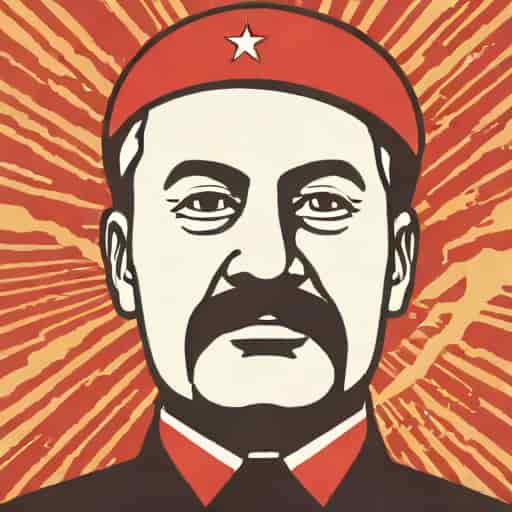
Alexander Dubček, the Czechoslovak politician who emerged as a symbol of hope during the 1960s, is most remembered for his vision of socialism with a human face. This concept represented a significant attempt to reform the rigid and authoritarian structures of Soviet-style communism in Czechoslovakia. Dubček’s ideas were aimed at creating a more democratic, liberal, and humane form of socialism, which promised greater freedom of expression, political participation, and civil liberties for the people. His leadership during the Prague Spring of 1968 became a pivotal moment in Cold War history, highlighting the struggle between reformist ideals and hardline communist authority.
Background of Alexander Dubček
Alexander Dubček was born in 1921 in Uhrovec, Czechoslovakia. He became involved in politics at a young age, joining the Communist Party of Slovakia during World War II. After the war, he rose steadily through the party ranks, gaining a reputation as a pragmatic and reform-minded politician. By the 1960s, Czechoslovakia faced significant economic stagnation and growing public dissatisfaction with the strictures of Soviet-style socialism. Dubček’s rise to the position of First Secretary of the Communist Party in January 1968 marked a turning point for the nation.
Dubček’s vision for the country was rooted in the idea that socialism could be adapted to respect human rights and democratic principles. He understood that Czechoslovakia needed to modernize its political and economic systems to meet the needs and aspirations of its people.
Concept of Socialism with a Human Face
Socialism with a human face was Dubček’s central philosophy during the Prague Spring. It was a reformist approach that sought to combine socialist ideals with greater personal freedoms. This vision aimed to break away from the oppressive and bureaucratic nature of the existing communist system while maintaining a socialist framework. The idea resonated deeply with citizens who were frustrated by censorship, lack of political participation, and economic inefficiency.
Key Principles of the Reform
- Freedom of Speech and PressDubček promoted the relaxation of censorship, allowing citizens and media to express opinions openly and engage in political debate.
- Political PluralismWhile maintaining the Communist Party’s leadership, Dubček encouraged limited democratic participation and the involvement of non-party members in political processes.
- Economic ReformsThe proposed economic changes aimed at decentralizing decision-making, allowing businesses more autonomy, and introducing elements of market efficiency within a socialist framework.
- Human Rights and Civil LibertiesA key goal was to ensure that individuals had protections under the law, including freedom of assembly, cultural expression, and personal freedoms.
The Prague Spring of 1968
The Prague Spring was the period during which Dubček implemented his vision of socialism with a human face. It began in early 1968 and quickly gained momentum, inspiring hope both within Czechoslovakia and internationally. Citizens enjoyed a newfound freedom, with restrictions on media and travel being loosened. Political discussions became more open, and public engagement in civic life flourished.
Dubček’s reforms, however, alarmed the Soviet Union and other Eastern Bloc countries. Moscow feared that Czechoslovakia’s liberalization might spread to neighboring socialist states, weakening Soviet influence and control. Despite warnings, Dubček continued to pursue reforms, believing in the possibility of creating a socialist system that prioritized human dignity without abandoning socialist principles.
Challenges and Opposition
The reforms faced significant resistance from conservative elements within the Communist Party and from the Soviet Union. Hardliners viewed any attempt at liberalization as a threat to the unity and authority of the socialist bloc. Internally, some party members were uneasy with the pace of change and feared destabilization. Externally, the Warsaw Pact nations closely monitored Czechoslovakia, fearing that Dubček’s reforms could inspire similar movements in other countries.
The Soviet Response
By August 1968, the Soviet Union decided to intervene. On August 20-21, Warsaw Pact troops invaded Czechoslovakia to halt the reforms and restore strict communist control. Dubček and other reform leaders were arrested and taken to Moscow, where they were pressured to reverse their policies. The invasion effectively ended the Prague Spring and demonstrated the limits of pursuing socialism with a human face within the rigid structure of the Eastern Bloc.
Although Dubček’s vision was suppressed, his ideas left a lasting legacy. The Prague Spring inspired future generations to continue advocating for political reform, human rights, and the blending of socialism with democratic principles. It also highlighted the tension between ideological flexibility and authoritarian control within communist systems.
Legacy of Dubček and Socialism with a Human Face
Alexander Dubček’s efforts to create socialism with a human face remain an important chapter in modern European history. While his reforms were short-lived, they symbolized hope for a more humane and democratic approach to governance under socialism. Dubček became a symbol of courage and moral integrity, demonstrating that it was possible to challenge oppressive systems without abandoning core ideals.
The concept of socialism with a human face continues to be studied by historians and political scientists as an example of reformist movements within authoritarian regimes. It serves as a reminder that even in constrained political environments, leaders can envision systems that prioritize the well-being and freedoms of citizens.
Alexander Dubček’s vision of socialism with a human face was a bold attempt to reconcile socialist principles with human rights and democratic freedoms. His leadership during the Prague Spring of 1968 illustrated the potential for reform within rigid political structures, even though it ultimately faced suppression by the Soviet Union. Dubček’s legacy is a testament to the enduring desire for political and social systems that respect both collective ideals and individual dignity. His efforts remain an inspiring example of how visionary leadership can challenge the status quo and strive for a more just and humane society.