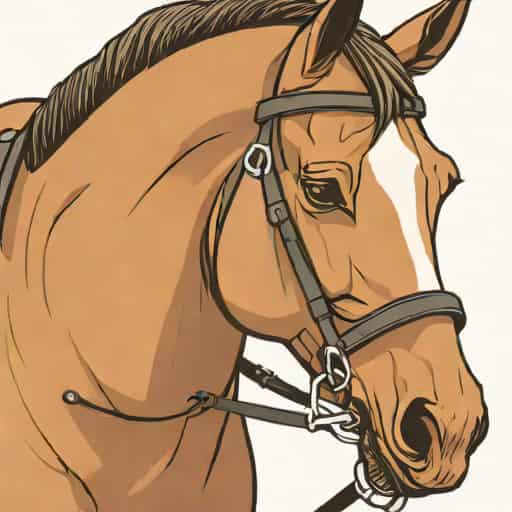
A horse bridle is one of the most essential pieces of equipment for riding and controlling a horse. It is a complex assembly of straps, buckles, and metal pieces designed to fit over the horse’s head and connect to the bit in the horse’s mouth. The primary purpose of a bridle is to provide communication between the rider and the horse, allowing guidance, control, and direction. Proper use of a bridle ensures that the horse responds accurately to commands while maintaining comfort and safety for both horse and rider. The bridle has been a critical tool in equestrian activities for centuries, evolving in design to suit different riding styles, horse breeds, and functional needs.
Definition and Purpose of a Horse Bridle
A horse bridle is defined as a headgear device used to control a horse while riding or driving. It typically consists of several key components, including the headstall, bit, and reins. The headstall holds the bit in place and secures the bridle on the horse’s head, while the bit communicates the rider’s commands through pressure and movement. Reins connect the rider’s hands to the bit, allowing signals to be transmitted to the horse. Together, these components form a system that enables precise communication, aiding in steering, speed control, stopping, and performing advanced maneuvers.
Historical Background of Bridles
The history of the horse bridle dates back thousands of years. Ancient civilizations recognized the importance of controlling horses for transportation, agriculture, and warfare. Early bridles were simple straps of leather or rawhide, often without bits, used to lead or guide horses. As equestrian practices developed, more sophisticated bridles emerged with metal bits, cheekpieces, and nosebands. In medieval Europe, knights relied on elaborate bridles to manage their warhorses during battles, jousting, and tournaments. Over time, the design of bridles has been refined to enhance horse comfort, improve rider control, and accommodate various equestrian disciplines.
Components of a Horse Bridle
A standard horse bridle includes several interconnected parts. Each component plays a critical role in function and communication between the rider and the horse. Understanding these parts helps riders use the bridle effectively and safely.
- HeadstallThe headstall is the main framework of the bridle that goes over the horse’s head. It holds the bit and connects to the reins, distributing pressure evenly across the horse’s head.
- BitThe bit is a metal or synthetic piece placed in the horse’s mouth. It applies pressure to the horse’s mouth, tongue, and bars to transmit commands from the rider.
- ReinsReins are straps that connect the rider’s hands to the bit, allowing the rider to give directions such as stopping, turning, and adjusting speed.
- BrowbandThe browband sits across the horse’s forehead, preventing the bridle from sliding back and keeping the headstall in position.
- NosebandThe noseband encircles the horse’s nose and jaw, providing additional control and helping keep the mouth closed if necessary.
- CheekpiecesCheekpieces connect the bit to the headstall and help maintain proper alignment of the bridle on the horse’s face.
Types of Horse Bridles
Horse bridles come in various types to suit different riding styles, disciplines, and horse needs. Selecting the right bridle is essential for comfort, safety, and effective communication. Common types include
- Snaffle BridleA popular bridle for beginners and general riding. It uses a simple snaffle bit that applies direct pressure on the horse’s mouth, making it suitable for basic commands and training.
- Double BridleUsed in advanced dressage and competitive riding. It has two bits, a curb and a bradoon, allowing refined control and more precise communication with the horse.
- Western BridleDesigned for western riding styles such as trail, rodeo, and reining. Often lacks a noseband and emphasizes durability and simplicity.
- Bitless BridleProvides control without inserting a bit into the horse’s mouth. Bitless bridles use pressure points on the horse’s head for guidance, offering a more natural and gentle option for sensitive horses.
Choosing the Right Bridle
Choosing the correct bridle depends on the horse’s size, head shape, riding discipline, and training level. Proper fit is essential to prevent discomfort, injury, and behavioral problems. Key considerations include
- Ensuring the bit sits comfortably in the horse’s mouth without pinching or causing sores.
- Adjusting the headstall so it is snug but not too tight around the poll and jaw.
- Selecting materials, such as leather or synthetic, that balance durability with comfort.
- Considering the horse’s experience and sensitivity, particularly when choosing between bitted and bitless options.
Maintenance and Care
Proper maintenance of a horse bridle ensures safety, longevity, and comfort for the horse. Leather bridles require regular cleaning with saddle soap and conditioning to prevent drying and cracking. Metal bits should be cleaned to remove saliva, dirt, and residue. Synthetic bridles are easier to clean but still require inspection for wear and tear. Regular checks for broken stitching, frayed straps, or loose buckles are critical to avoid accidents while riding. A well-maintained bridle contributes to a positive riding experience and helps prevent injuries to both horse and rider.
Common Issues and Troubleshooting
Improper use or poor fitting of a bridle can cause discomfort or behavioral issues in horses. Common problems include
- Rubbing or chafing on the horse’s head or mouth.
- Resistance to rein pressure due to pain or improper bit placement.
- Slippage of the bridle during riding, affecting control.
- Behavioral reactions such as head tossing, refusal, or anxiety.
Regular fitting checks, adjustments, and careful observation of the horse’s behavior can prevent most issues. Consulting a knowledgeable trainer or equine professional can also help ensure the bridle is correctly used and fits well.
A horse bridle is a fundamental tool in horsemanship, serving as the primary means of communication between horse and rider. With its combination of headstall, bit, reins, and other components, it allows precise control, enhances safety, and contributes to the overall performance of the horse in various disciplines. Understanding the history, types, proper fitting, and maintenance of bridles is essential for every rider, whether in recreational, competitive, or working equestrian settings. By respecting the horse’s comfort and selecting the appropriate bridle, riders can create a positive, effective, and safe riding experience for both themselves and their horses.
Word count ~1010