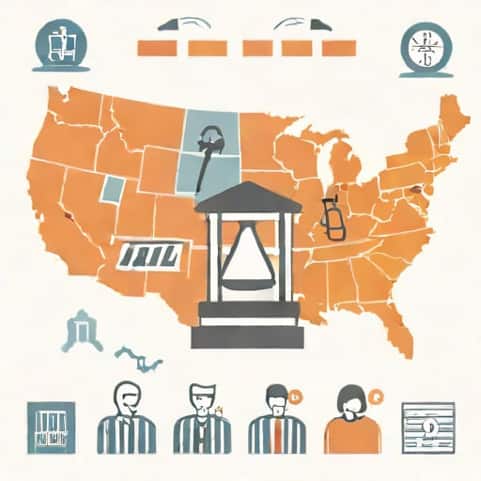
Wrongful conviction rate in the United States is a topic of deep concern for many who value fairness, justice, and accuracy in the legal system. Although it may seem like wrongful convictions are rare, extensive research and exoneration records show that they happen more often than many people realize, and the impact on innocent individuals and their families is profound. Over the past several decades, thousands of people have been exonerated-proven to have been wrongly convicted-after spending years or even decades behind bars for crimes they did not commit. These revelations raise important questions about how often wrongful convictions occur, what contributes to them, and what the justice system can do to prevent them.
Understanding Wrongful Convictions
A wrongful conviction occurs when an innocent person is found guilty of a crime they did not commit. This can happen in local, state, or federal courts and affects people of all ages, backgrounds, and races. A wrongful conviction not only deprives an individual of personal liberty, it undermines trust in the legal system and can allow the real perpetrator to remain free. Over time, organizations like the National Registry of Exonerations and the Innocence Project have compiled data on exonerations, helping the public understand the broader scope of the issue. By June 2025, there were more than 3,600 documented exonerations in the United States, with exonerees collectively losing tens of thousands of years to wrongful imprisonment.
What the Data Shows
Official data on wrongful convictions is imperfect because not all innocent individuals are identified or exonerated. However, current records provide a window into the magnitude of the problem. According to the National Registry of Exonerations, the total number of people exonerated since 1989 exceeds 3,600, and those individuals lost more than 34,000 years of their lives to wrongful imprisonment. These figures only count cases where innocence has been legally established, and they likely understate how many current prisoners may actually be innocent.
Estimating the Rate of Wrongful Convictions
Trying to determine a precise wrongful conviction rate is challenging, because many innocent people may never be exonerated. Still, legal scholars and research institutions have developed estimates based on case reviews, DNA evidence outcomes, and statistical models. According to estimates drawn from studies of incarcerated populations and exoneration data, wrongful conviction rates may fall anywhere between about 2% to over 10% of all convictions, depending on the methodologies and types of crimes involved.
Rate Estimates in Context
Several estimates suggest the wrongful conviction rate could be roughly 4% to 6% for the general prison population. At a conservative midpoint, if approximately 5% of incarcerated individuals are innocent, that would mean tens of thousands of people in U.S. prisons might currently be wrongfully convicted. With the U.S. prison population numbering more than two million, even a modest percentage translates to a large number of potentially innocent people behind bars.
Contributing Factors to Wrongful Convictions
Wrongful convictions don’t occur due to a single cause. Instead, a combination of systemic flaws and human errors often contributes to the problem. Understanding these contributing factors is crucial to meaningful reform and prevention.
Eyewitness Misidentification
Eyewitness testimony can be compelling in court, yet research consistently shows it is one of the leading causes of wrongful convictions. Memory can be unreliable, especially under stressful or traumatic conditions, and mistakes in identification procedures can mislead juries and prosecutors. In many DNAbased exoneration cases, flawed eyewitness testimony played a central role in convicting someone who was later proven innocent.
Official Misconduct
Official misconduct-including police error, prosecutorial misconduct, and improper evidence handling-has been documented in a significant number of wrongful convictions. In some studies, official misconduct was a contributing factor in more than half of known exoneration cases, illustrating how breakdowns in legal duty can lead to grave injustices.
False Confessions and Forensic Issues
False confessions, often resulting from intense interrogation techniques, pressure, or misunderstanding, are another cause of wrongful convictions. Unvalidated or flawed forensic science can also mislead investigators and juries, particularly when forensic methods lack rigorous scientific backing. These errors, combined with inadequate defense representation, can stack the odds against a fair outcome for defendants.
Demographic Disparities and Justice
Wrongful convictions do not affect all people equally. Evidence indicates that racial and socioeconomic disparities play a significant role in who is more likely to be wrongfully convicted. For example, Black Americans are disproportionately represented among exonerated individuals compared to their share of the general population, reflecting broader inequities in the criminal justice system.
Race and Systemic Bias
Studies of exoneration data show that African Americans make up a larger proportion of exonerees relative to their population share, suggesting that systemic bias and unequal treatment in policing, prosecution, and sentencing contribute to wrongful convictions. This issue highlights the need for reforms that address both procedural fairness and broader social inequities.
Efforts to Address Wrongful Convictions
Various organizations, legal advocates, and reform initiatives work to identify current wrongful convictions and prevent future ones. Groups such as the Innocence Project, conviction integrity units within prosecutor’s offices, and academic research centers play a key role in reexamining old cases, advocating for DNA testing, and pushing for criminal justice reforms. These efforts not only help free innocent individuals but also shine a light on systemic issues that need correction.
Exonerations and Legal Support
Exonerations often require persistent legal advocacy, new evidence such as DNA testing, and effective legal representation. Organizations dedicated to wrongful conviction cases provide expertise and resources that are essential in navigating the complex legal system to overturn unjust verdicts. These successes have brought freedom to many who were wrongfully imprisoned, yet the number of exonerations remains only a fraction of the suspected total of innocent prisoners.
Impacts of Wrongful Convictions
The effects of wrongful convictions extend far beyond the incarceration period. Innocent individuals lose years or decades of their lives, suffer emotional and psychological trauma, and face challenges reintegrating into society after release. Families are also deeply affected by the absence of loved ones, and communities may lose trust in the justice system. Recognizing and addressing these human costs is integral to discussions about wrongful conviction rates.
Life After Exoneration
Many exonerees struggle with reintegration after years of wrongful imprisonment. Adjusting to life outside prison, securing employment, reconnecting with family, and dealing with psychological scars are common challenges. Some states have compensation laws for wrongful imprisonment, but notable gaps remain, and not all exonerees receive adequate support.
Preventing Future Wrongful Convictions
Reducing wrongful conviction rates will require continued reforms in the criminal justice system. Policy changes such as improving eyewitness identification procedures, enhancing forensic science standards, increasing transparency in prosecutions, ensuring access to competent defense counsel, and strengthening conviction integrity units are among the strategies being discussed by experts and advocates. Each reform has the potential to reduce the risk of innocent people being convicted in the first place.
Reforming Legal Procedures
Reforms aimed at strengthening procedural safeguards and reducing human error are central to lowering wrongful conviction rates. These measures include recording interrogations, providing better training for law enforcement, and mandating independent review of forensic methods. By addressing systemic weaknesses, the justice system can make significant strides toward fewer wrongful convictions and greater public trust.
The rate of wrongful convictions in the United States is a stark reminder that the criminal justice system is imperfect and that innocent people can be caught in its errors. With estimates suggesting that a notable percentage of incarcerated individuals may be innocent and thousands already exonerated, wrongful convictions represent both a human tragedy and a systemic challenge. Addressing this issue through research, legal reform, and continued advocacy is essential to ensuring justice and fairness for all. While we may never know the full scope of wrongful convictions, current data and ongoing efforts highlight the importance of vigilance, transparency, and reform in pursuit of a truly just legal system.