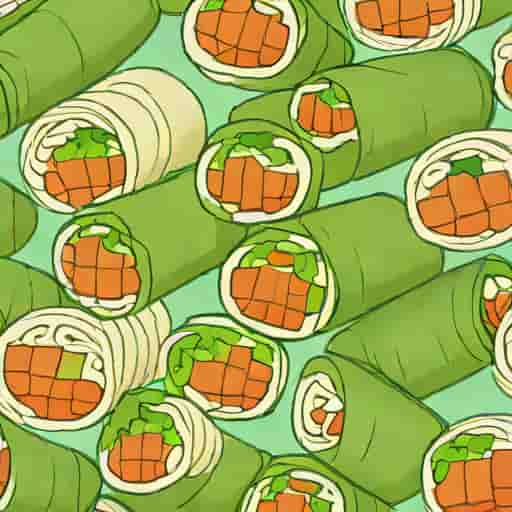
Vietnamese summer rolls, also known as Gỏi Cuốn, are a fresh and vibrant dish that has become a beloved staple in Vietnamese cuisine. These rolls are light, healthy, and full of flavor, offering a delightful combination of fresh vegetables, herbs, and protein wrapped in delicate rice paper. Popular in both northern and southern Vietnam, summer rolls are often enjoyed as appetizers, snacks, or light meals. They are celebrated for their balance of textures, colors, and tastes, reflecting the emphasis on fresh ingredients and harmonious flavors that characterize Vietnamese culinary traditions. Whether enjoyed at a street-side stall or a family dining table, Vietnamese summer rolls provide an authentic taste of the country’s rich food culture.
Origins of Vietnamese Summer Rolls
Vietnamese summer rolls have a long history rooted in the culinary traditions of Vietnam, particularly in the southern and central regions where fresh vegetables and herbs are abundant. Unlike their fried counterparts, spring rolls (Chả Giò), summer rolls are unheated, emphasizing freshness and lightness. Traditionally, families would prepare these rolls using seasonal ingredients, often making them a communal activity during gatherings and festivals. Over time, summer rolls became a popular street food and restaurant dish, celebrated for their versatility and nutritional value. They exemplify the Vietnamese philosophy of balancing flavors, textures, and presentation in every meal.
Key Ingredients
- Rice paper (bánh tráng) for wrapping.
- Fresh herbs such as mint, cilantro, and Thai basil.
- Vegetables like lettuce, cucumber, carrots, and bean sprouts.
- Protein options including shrimp, pork, tofu, or chicken.
- Dipping sauce, typically made from hoisin, peanut, or fish sauce.
Preparation and Rolling Techniques
Preparing Vietnamese summer rolls requires attention to detail to achieve the perfect balance of flavors and textures. The ingredients must be fresh and evenly cut to ensure ease of rolling and consistent taste. Rice paper is softened briefly in warm water to make it pliable, then layered with herbs, vegetables, and protein before being rolled tightly into neat cylinders. Mastering the rolling technique is crucial to prevent tearing and to maintain an appealing presentation. The rolls are usually served with a dipping sauce that enhances the natural flavors of the ingredients.
Step-by-Step Preparation
- Soften rice paper in warm water for a few seconds until flexible.
- Place a leaf of lettuce on the lower third of the rice paper.
- Add fresh herbs, julienned vegetables, and chosen protein.
- Fold the sides of the rice paper inward, then roll tightly from bottom to top.
- Serve immediately with dipping sauce for optimal freshness and flavor.
Types of Vietnamese Summer Rolls
There are several variations of Vietnamese summer rolls, each with its unique combination of ingredients and flavors. Shrimp summer rolls are among the most popular, combining fresh shrimp with crisp vegetables and aromatic herbs. Pork and tofu options provide a heartier alternative, suitable for vegetarians or those seeking more protein. Regional variations may include different herbs, local vegetables, or additional seasonings to reflect local tastes. Despite these variations, all summer rolls share the common feature of being fresh, light, and visually appealing, making them a versatile and enjoyable dish across Vietnam.
Popular Variations
- Shrimp summer rolls with lettuce, vermicelli noodles, and fresh herbs.
- Pork summer rolls often paired with roasted or grilled pork slices.
- Tofu summer rolls suitable for vegetarian diets.
- Chicken summer rolls using poached or grilled chicken breast.
- Regional variations including different herbs, sauces, and fillings.
Dipping Sauces
The dipping sauce is an essential component of Vietnamese summer rolls, adding flavor and depth to the fresh ingredients. Traditional sauces include hoisin-peanut sauce, nuoc cham (fish sauce-based), and soy-based sauces for vegetarian versions. Hoisin-peanut sauce is sweet and nutty, complementing shrimp and pork rolls, while nuoc cham offers a balance of salty, sweet, sour, and spicy flavors that enhances the freshness of the vegetables. Sauces can be adjusted to taste, allowing diners to customize their rolls and enjoy a combination of flavors in every bite.
Common Dipping Sauces
- Hoisin-peanut sauce Sweet, nutty, and rich.
- Nuoc cham Fish sauce-based, balanced with lime, sugar, garlic, and chili.
- Soy-based sauce Suitable for vegetarian or vegan rolls.
- Combination sauces Blending hoisin, peanut, and chili for extra flavor.
- Garnishes Crushed peanuts, chili, and lime slices to enhance taste.
Cultural Significance
Vietnamese summer rolls reflect the country’s cultural emphasis on fresh, healthy, and balanced meals. They are often prepared during family gatherings, festive occasions, and communal meals, symbolizing harmony and togetherness. The visual appeal of the rolls, with vibrant colors and neatly arranged ingredients, also reflects the Vietnamese value placed on presentation and aesthetic enjoyment of food. Summer rolls serve as an example of how Vietnamese cuisine integrates flavor, nutrition, and cultural significance in a single dish.
Tradition and Community
- Preparation often involves family members working together.
- Shared meals promote social interaction and bonding.
- Fresh ingredients symbolize health, abundance, and seasonal awareness.
- Presentation and arrangement reflect Vietnamese culinary artistry.
- Consumption of summer rolls embodies cultural appreciation for balance and harmony.
Health Benefits
Vietnamese summer rolls are celebrated for their nutritional value and health benefits. They are low in calories, high in fiber, and rich in vitamins and minerals from the fresh vegetables and herbs. Lean protein options like shrimp, chicken, or tofu provide essential nutrients while keeping the meal light and satisfying. The absence of deep frying in traditional summer rolls further contributes to their healthful qualities. For those seeking a flavorful yet nutritious meal, summer rolls offer a perfect choice that combines taste with wellness.
Key Nutritional Benefits
- High in fiber from fresh vegetables and herbs.
- Low in fat due to the absence of frying.
- Rich in vitamins and minerals supporting overall health.
- Protein from shrimp, pork, chicken, or tofu aids in muscle maintenance.
- Light and refreshing, suitable for a balanced diet.
Tips for Enjoying Vietnamese Summer Rolls
To enjoy Vietnamese summer rolls at their best, freshness and presentation are key. Choose rolls with crisp vegetables, tender protein, and pliable rice paper. Pairing with a suitable dipping sauce enhances the flavor profile, while arranging herbs and vegetables thoughtfully ensures a balanced taste in each bite. For those preparing rolls at home, using high-quality, fresh ingredients and practicing proper rolling techniques will result in delicious, authentic summer rolls that reflect the essence of Vietnamese cuisine.
Enjoyment Tips
- Select rolls with fresh, crisp vegetables and quality protein.
- Use appropriate dipping sauces to complement the roll flavors.
- Serve immediately after preparation to maintain texture and freshness.
- Practice rolling techniques to ensure neat and intact rolls.
- Pair with a light beverage such as iced tea or sparkling water for a refreshing experience.
Vietnamese summer rolls are a quintessential representation of Vietnamese culinary culture, combining fresh ingredients, balanced flavors, and nutritional benefits in a visually appealing and delicious package. Whether enjoyed at a street food stall in Hanoi, prepared at home with family, or sampled in an international Vietnamese restaurant, summer rolls offer a versatile and satisfying culinary experience. Their combination of fresh vegetables, aromatic herbs, tender proteins, and flavorful dipping sauces makes them both a healthy choice and a delight for the senses. Vietnamese summer rolls remain a timeless dish, showcasing the artistry, tradition, and vibrant flavors that define Vietnamese cuisine.