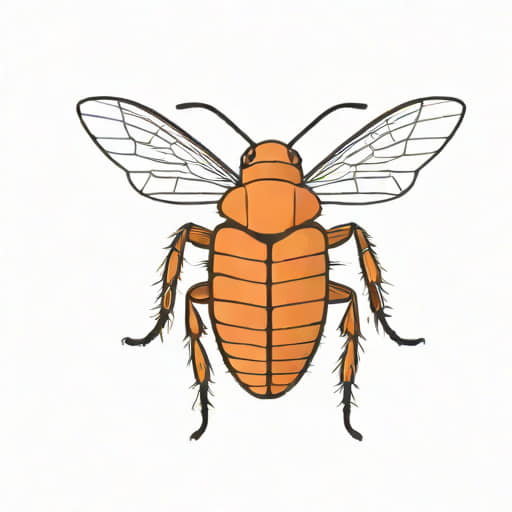
Flying cockroaches are one of the more unsettling and fascinating members of the insect world. Unlike their purely crawling relatives, these cockroaches possess wings that allow them to glide or even fly short distances, making them particularly alarming to encounter. These insects are found in various parts of the world, especially in warm and humid climates, and are known for their resilience, rapid reproduction, and adaptability. Despite their fearsome reputation, flying cockroaches play specific roles in the ecosystem, though their presence in homes and urban areas is usually considered a nuisance. Understanding what flying cockroaches are, their behavior, species variations, and methods of control can help individuals better manage their encounters with these insects.
Definition of a Flying Cockroach
A flying cockroach is any species of cockroach that has fully developed wings and the ability to use them for flight or gliding. While many cockroach species have wings, not all of them can fly effectively. Flying cockroaches use their wings primarily to escape predators, move between locations, or seek food and mates. They typically have a flattened body, long antennae, and spiny legs, which are characteristic of cockroaches in general, but their wings set them apart by giving them an additional mode of locomotion. These insects can be alarming due to their sudden flight and quick movements, making them a challenging pest to deal with indoors.
Species of Flying Cockroaches
Several species of cockroaches are capable of flight, each with distinct characteristics
- American Cockroach (Periplaneta americana)One of the largest species, often reddish-brown, with well-developed wings that allow short flights. Common in warm, damp environments.
- Australian Cockroach (Periplaneta australasiae)Similar in appearance to the American cockroach but with yellow markings on the thorax and wings. Known for climbing and occasional flight.
- Smokybrown Cockroach (Periplaneta fuliginosa)Dark brown to black, these cockroaches are strong flyers and often attracted to outdoor lights at night.
- Turkestan Cockroach (Blatta lateralis)A less common species, often used for feeding reptiles, but capable of gliding short distances.
Behavior and Habitat
Flying cockroaches are nocturnal creatures that prefer dark, moist, and warm environments. Outdoors, they are commonly found in leaf litter, mulch, and under logs or debris. Indoors, they tend to inhabit kitchens, basements, and bathrooms where food and water are available. Their flying ability allows them to quickly escape threats and move to new areas, which can make infestations harder to control. While they generally fly short distances rather than sustained flights, their sudden movement can startle humans and pets.
Diet and Feeding Habits
Flying cockroaches are omnivorous scavengers. They feed on a wide variety of organic matter, including decaying plants, food scraps, and even small insects. In homes, they are attracted to crumbs, spills, garbage, and pet food. Their feeding habits make them potential carriers of bacteria and pathogens, which can contaminate surfaces and food supplies, leading to health concerns.
Reproduction and Lifespan
Flying cockroaches reproduce rapidly, which contributes to their reputation as pests. Female cockroaches produce egg cases known as oothecae, which contain multiple eggs. Depending on the species, a single female can produce dozens of eggs in her lifetime, allowing populations to grow quickly if left unchecked. The eggs hatch into nymphs, which undergo several molts before reaching adulthood. The lifespan of flying cockroaches can range from a few months to over a year, depending on environmental conditions and availability of food and shelter.
Ecological Role
Although often seen as pests, flying cockroaches play important roles in ecosystems. They help decompose organic matter, recycling nutrients back into the soil. This contributes to soil fertility and supports plant growth. Additionally, they serve as a food source for various predators, including birds, amphibians, reptiles, and small mammals. Their role in the food chain underscores the ecological importance of cockroaches despite their negative perception by humans.
Health Risks and Concerns
While flying cockroaches do not pose direct threats through bites or stings, they can carry pathogens and allergens that impact human health. Their presence can trigger allergic reactions, asthma, and respiratory issues, especially in sensitive individuals. Contamination of food and surfaces with bacteria from their legs or excrement is another concern. Proper hygiene and pest control measures are essential to reduce the health risks associated with flying cockroaches in homes and workplaces.
Methods of Control
Managing flying cockroach populations requires a combination of preventive measures and active control strategies
- SanitationRemove food scraps, seal garbage bins, and maintain clean kitchen surfaces to reduce attractants.
- Moisture ControlFix leaks and reduce humidity, as cockroaches are drawn to damp areas.
- ExclusionSeal cracks, gaps, and entry points to prevent cockroaches from entering homes.
- Traps and BaitsUse sticky traps or bait stations to monitor and reduce populations effectively.
- InsecticidesApply targeted insecticides in infested areas, following safety guidelines to protect humans and pets.
- Professional Pest ControlFor severe infestations, professional exterminators can implement comprehensive solutions, including fumigation and integrated pest management strategies.
Preventing Encounters with Flying Cockroaches
Preventive measures can significantly reduce the likelihood of encountering flying cockroaches indoors. Keeping outdoor lights away from entrances, reducing clutter, and maintaining a clean, dry environment are effective strategies. Regular inspection of basements, attics, and storage areas can also help identify potential infestations early, allowing for swift action before populations become established.
A flying cockroach is a winged insect that combines the adaptability and resilience of traditional cockroaches with the added capability of flight. Found primarily in warm and humid environments, these insects are nocturnal scavengers that feed on a wide range of organic materials. While they play a role in ecosystems as decomposers and prey, their presence in homes can cause health concerns and discomfort due to their sudden movements and potential to carry bacteria and allergens. Understanding their behavior, habitat, diet, and reproductive habits is crucial for effective management and prevention.
By implementing proper sanitation, moisture control, exclusion techniques, and pest management strategies, individuals can minimize the impact of flying cockroaches in residential and commercial spaces. Awareness of their ecological significance, combined with proactive control measures, helps maintain a balance between respecting nature and protecting human health. Flying cockroaches, though unsettling, are an interesting example of the adaptability and diversity of insect species in our environment.