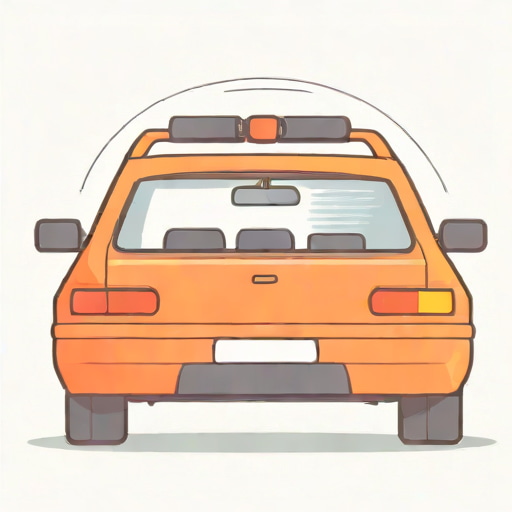
Driving in foggy or rainy conditions can often be challenging, and one of the common problems drivers face is a fogged-up rear windshield. This can reduce visibility and increase the risk of accidents. To address this issue, most modern cars are equipped with a rear defogger, a feature designed to clear condensation and frost from the rear window quickly and efficiently. Understanding what a rear defogger is, how it works, and its benefits is essential for every car owner. This feature not only improves safety but also enhances the driving experience in adverse weather conditions. In this topic, we will explore the rear defogger system in detail, including its types, functionality, maintenance, and importance.
What is a Rear Defogger?
A rear defogger, also called a rear window defroster, is a car feature that helps remove condensation, frost, or ice from the rear windshield. It is especially useful during cold or humid weather when the rear glass tends to fog up, obstructing the driver’s view. The system is activated with a switch on the car’s dashboard, typically marked with a rectangle containing wavy lines symbolizing heat. Once activated, it heats the rear windshield to quickly clear moisture, improving visibility and safety.
How a Rear Defogger Works
The rear defogger functions using two main types electric and glass-integrated. The electric type is most common in modern vehicles and consists of thin horizontal lines embedded or attached to the rear windshield. These lines act as resistive heating elements. When the defogger is turned on, an electric current passes through these lines, generating heat. This heat warms the glass and evaporates moisture or melts frost, clearing the window within a few minutes.
Some older cars use a system connected to the car’s HVAC (heating, ventilation, and air conditioning) system. In this setup, warm air from the heater is directed toward the rear window through ducts. While this method is less common today, it achieves the same goal of removing fog and frost.
Types of Rear Defoggers
1. Electric Rear Defogger
This is the most widely used system in modern vehicles. Electric rear defoggers feature thin conductive lines on the rear windshield that heat up when powered. The advantages of this system include fast operation, ease of use, and low maintenance. It works effectively in both frost and fog conditions, making it highly reliable.
2. Glass-Integrated Heating System
Some cars come with rear windows that have heating elements embedded within the glass itself. These integrated systems operate similarly to the electric lines but are more aesthetically pleasing since they are invisible or barely noticeable. They offer uniform heating across the entire surface, ensuring complete defogging.
3. Combination with Side Mirrors
In some advanced vehicles, the rear defogger is connected to heated side mirrors as well. This ensures that the driver has a clear view not only through the rear window but also from the side mirrors, enhancing overall visibility during adverse weather conditions.
Benefits of a Rear Defogger
The rear defogger is a vital safety feature in vehicles, offering several benefits
- Improved VisibilityBy quickly removing fog or frost, the rear defogger ensures that the driver has a clear view of the road behind, reducing the risk of accidents.
- Enhanced SafetyA clear rear window allows drivers to monitor traffic, pedestrians, and obstacles more effectively.
- ConvenienceDrivers no longer need to manually wipe the rear windshield or wait for the car’s heater to defog the window slowly.
- Time-SavingThe rear defogger operates quickly, which is especially useful during cold mornings or rainy days.
- Integration with Modern VehiclesMany rear defoggers are integrated with timers and sensors to automatically turn off after the window is cleared, preventing energy waste.
How to Use a Rear Defogger
Using a rear defogger is straightforward
- Locate the rear defogger button on your car’s dashboard. It is usually marked with a rectangle and wavy lines.
- Press the button to activate the system. In electric defoggers, you may see the lines start glowing faintly.
- Wait a few minutes for the glass to clear. The duration depends on the weather conditions and the efficiency of the defogger.
- Some vehicles automatically turn off the defogger after a set time, but if your car does not, switch it off manually once the window is clear.
Maintenance Tips for Rear Defoggers
Proper maintenance ensures that the rear defogger remains effective and lasts longer. Here are some useful tips
- Avoid Scratching the LinesThe heating lines on the rear windshield are delicate. Avoid using sharp objects to clean the glass.
- Use Soft ClothsWhen cleaning, use a soft cloth or sponge with mild glass cleaner to prevent damage.
- Check for BreaksOver time, the heating lines may develop breaks. Inspect the defogger regularly and repair broken lines with conductive paint if necessary.
- Prevent Electrical IssuesIf the defogger does not work, check the fuse and wiring connections. Consult a professional if needed.
- Seasonal UseUse the rear defogger during winter or rainy seasons to prevent fog or frost from obstructing visibility.
Common Problems with Rear Defoggers
Although rear defoggers are generally reliable, they can sometimes face issues
- Broken or damaged heating lines can prevent proper functioning.
- Blown fuses may stop the system from working entirely.
- Poor electrical connections or corrosion can reduce efficiency.
- Excessive dirt or adhesive residues on the rear glass can obstruct heat transfer.
Most of these problems are minor and can be fixed by either DIY methods or professional assistance.
Importance of Rear Defoggers in Modern Cars
Rear defoggers have become a standard feature in modern vehicles due to their significant contribution to driving safety. With increasing traffic and unpredictable weather conditions, clear visibility is crucial. The rear defogger ensures that drivers can monitor traffic behind them, make safe lane changes, and avoid collisions. It is especially beneficial for families, professional drivers, and anyone who frequently drives in foggy, rainy, or snowy conditions.
The rear defogger is an essential feature in modern vehicles that ensures clear visibility through the rear windshield during adverse weather conditions. Known for its ease of use, quick operation, and safety benefits, the rear defogger significantly reduces the risk of accidents caused by obstructed views. By understanding how the system works, the types of defoggers, and proper maintenance practices, car owners can maximize its effectiveness. Whether driving in winter frost or a humid rainy day, the rear defogger enhances convenience, safety, and overall driving experience. It is a small but vital component that contributes to the reliability and comfort of modern automotive travel.