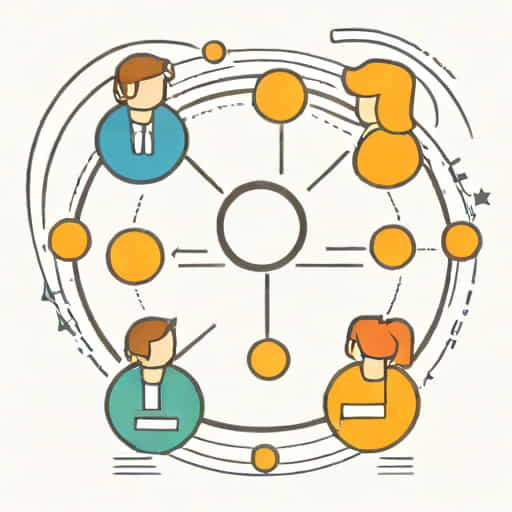
Communication is often viewed as a functional tool for exchanging information, but an equally important perspective is the ritualistic view of communication. This perspective shifts the focus from the transmission of messages to the symbolic, social, and cultural functions that communication serves within society. It emphasizes how communication reinforces shared beliefs, strengthens community bonds, and sustains cultural norms and values. Unlike the traditional linear model, which considers communication primarily as a means to convey information, the ritualistic view highlights the participatory, performative, and cyclical nature of communication. This approach provides a deeper understanding of how individuals interact within social structures, how meaning is negotiated collectively, and how society maintains cohesion through repeated communicative practices.
Understanding the Ritualistic View
The ritualistic view of communication conceptualizes communication as an ongoing process that sustains social life and cultural continuity. It treats communication not merely as a method of delivering messages but as a performative act that reinforces communal values. According to scholars like James W. Carey, communication in this view functions similarly to rituals in religious or cultural contexts it is repetitive, participatory, and symbolic. By participating in these communicative rituals, members of a society affirm shared norms, express identity, and maintain a sense of belonging.
Key Features of the Ritualistic View
- Symbolic MeaningCommunication conveys more than factual information; it expresses values, beliefs, and identity.
- ParticipationThe act of engaging in communication itself reinforces social bonds.
- ContinuityRepetitive communicative acts maintain traditions and cultural norms.
- Community FocusEmphasis on social cohesion rather than individual message transmission.
- Performative NatureCommunication is an enacted ritual that shapes perception and social reality.
Comparison with the Transmission View
To fully appreciate the ritualistic view of communication, it is important to contrast it with the transmission view. The transmission view treats communication as a linear process where a sender encodes a message and transmits it to a receiver, often focusing on efficiency and clarity. Success is measured by whether the message reaches the intended recipient accurately. In contrast, the ritualistic view is cyclical rather than linear, emphasizing participation, shared meaning, and cultural reinforcement. While the transmission model asks, How do we send information? the ritualistic model asks, How do we maintain and affirm social bonds through communication?
Examples of Transmission vs. Ritualistic Communication
- TransmissionSending an email or a news report to inform an audience.
- RitualisticWatching a daily morning news program together, not just for information, but as a shared social experience that connects viewers culturally.
Applications of the Ritualistic View
The ritualistic perspective applies across various domains of society, including media, cultural practices, and interpersonal relationships. In media studies, it helps explain why audiences engage with content even when the informational value is minimal. The act of watching, listening, or participating itself is socially and culturally significant. Similarly, in everyday interpersonal communication, rituals like greetings, celebrations, or storytelling reinforce relationships and collective identity. Understanding communication as ritual highlights its role in maintaining order, continuity, and social cohesion.
Media and Ritual
Mass media often functions ritualistically. Television shows, live broadcasts, and social media trends create repeated, shared experiences that allow communities to interact symbolically. For example, annual events like award shows, national celebrations, or televised sports competitions act as communication rituals that reinforce collective identity and cultural values. The content of the message is sometimes secondary to the social function of shared participation.
Interpersonal and Cultural Rituals
- Family dinners or communal meals, where the act of gathering conveys unity and reinforces familial bonds.
- Religious ceremonies, in which spoken, sung, or chanted communication perpetuates spiritual and cultural traditions.
- Rites of passage, such as weddings or graduations, where communication symbolizes milestones and societal expectations.
Symbolism in Ritualistic Communication
Symbolism is central to the ritualistic view. Every act of communication can carry deeper meanings beyond the literal message. Words, gestures, media content, and even silence can serve as symbols that express shared beliefs and values. For instance, a national anthem is not simply a song; it is a symbol of identity, patriotism, and unity. Ritualistic communication, therefore, transforms everyday interactions into symbolic acts that reaffirm societal norms.
Language and Symbols
Language itself is a tool for ritualistic communication. Idioms, phrases, greetings, and repeated expressions function as cultural markers, helping participants align with shared understanding. Even when information is being exchanged, the ritualistic dimension emphasizes participation in a cultural practice, making communication a vehicle for social cohesion rather than just data transmission.
Benefits of Viewing Communication as Ritual
Adopting a ritualistic perspective provides several advantages for understanding human interaction and societal dynamics
- Strengthening Social BondsEmphasizes how repeated communicative acts create and reinforce connections among individuals and communities.
- Maintaining Cultural ContinuityHighlights the role of communication in preserving traditions, values, and norms across generations.
- Understanding Media EngagementExplains why audiences engage with media for participation and identity affirmation rather than just information consumption.
- Enhancing Interpersonal RelationshipsRecognizes everyday rituals, such as greetings and shared stories, as fundamental to maintaining relational health.
Challenges and Critiques
While the ritualistic view provides valuable insights, it is not without challenges. Critics argue that it may overlook the informational function of communication and can be difficult to measure empirically. The emphasis on symbolic meaning can make it challenging to analyze communication quantitatively. Moreover, not all communicative acts function ritualistically, so this perspective must be balanced with functional, transmission-based views to fully understand communication dynamics.
Addressing the Challenges
- Combining ritualistic and transmission perspectives provides a holistic understanding of communication.
- Using qualitative methods, such as ethnography and discourse analysis, helps capture symbolic and ritualistic dimensions.
- Recognizing context is key some interactions are ritualistic, while others prioritize information exchange.
The ritualistic view of communication offers a profound lens through which to understand human interaction. It shifts the focus from mere information transfer to the symbolic, cultural, and social dimensions of communication. By emphasizing participation, repetition, and shared meaning, this perspective reveals how communication sustains societal cohesion, reinforces identity, and preserves cultural traditions. From media consumption to interpersonal interactions, ritualistic communication shapes the way individuals relate to one another and maintain collective norms. Understanding this view is essential for scholars, practitioners, and anyone interested in the deeper functions of communication beyond the transmission of messages.
Recognizing communication as a ritual allows us to appreciate its symbolic power, its role in social bonding, and its capacity to maintain cultural continuity. Whether through family interactions, cultural ceremonies, or shared media experiences, the ritualistic perspective illuminates how communication functions as a vital, participatory force in society. By integrating this understanding with traditional models of communication, we gain a richer, more nuanced appreciation of how humans connect, collaborate, and sustain their communities.