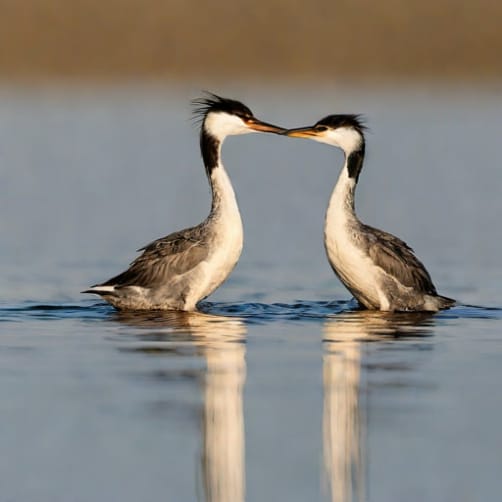
The western grebe mating dance is one of the most remarkable and visually striking courtship displays in the bird world. Known for their elegant movements and synchronized routines, western grebes perform an elaborate series of dances on water to attract a mate. These behaviors are not only fascinating to observe but also provide important insight into the species’ reproductive strategies and social interactions. The mating dance involves a combination of synchronized swimming, head bobbing, and the famous rushing display where both birds run across the water’s surface. Understanding the western grebe mating dance allows bird watchers, researchers, and nature enthusiasts to appreciate the complexity and beauty of these aquatic birds in their natural habitat.
Introduction to the Western Grebe
The western grebe (Aechmophorus occidentalis) is a large water bird native to North America, particularly found along lakes and wetlands in the western United States and Canada. Recognizable by its striking black-and-white plumage, long neck, and bright red eyes, the western grebe is an excellent swimmer and diver. It feeds primarily on fish and other small aquatic creatures. While it is known for its hunting skills, the species is perhaps most famous for its extraordinary mating behaviors, which are a central aspect of its life cycle.
Physical Characteristics
- Size Adults typically range from 22 to 30 inches in length.
- Plumage Distinctive black cap, white throat, and pale underparts.
- Legs Positioned far back on the body, making them strong swimmers but awkward on land.
- Eyes Bright red, aiding in underwater hunting and communication during courtship.
Overview of the Mating Dance
The mating dance of the western grebe is a highly ritualized and synchronized behavior performed by pairs to establish pair bonds and demonstrate fitness to potential mates. The courtship display includes several stages, each with specific movements and signals. The dance is both a social and reproductive behavior, strengthening the connection between the male and female grebe and ensuring successful breeding. These displays are most commonly observed during the spring breeding season when grebes return to their freshwater nesting sites.
Stages of the Mating Dance
The western grebe’s mating dance occurs in multiple stages, starting with initial displays and culminating in the dramatic rushing behavior across the water. Each stage involves intricate movements and vocalizations, highlighting the coordination and trust between partners.
1. Head Shaking and Synchronized Swimming
At the beginning of the courtship, both birds engage in head shaking and synchronized swimming. They mirror each other’s movements closely, bobbing their heads up and down while gliding through the water. This initial display demonstrates physical fitness and coordination, essential traits for a successful mate.
2. Weed Dance
During the weed dance, the pair may pick up pieces of aquatic vegetation and present them to each other while performing intricate swimming patterns. This behavior symbolizes nesting readiness and the willingness to invest in offspring. It is also a way for the pair to practice coordination and strengthen their bond.
3. Rushing Display
The rushing display is the most famous aspect of the western grebe mating dance. Both birds rise up on their legs, holding their bodies upright, and run across the water’s surface at remarkable speed, sometimes covering several meters in a few seconds. Their synchronized running and splashing create a spectacular visual effect. This stage is both a display of stamina and a public signal of pair bonding.
Purpose and Significance of the Mating Dance
The western grebe mating dance serves multiple purposes, both ecological and social. Beyond attracting a mate, it helps establish strong pair bonds, assess the health and fitness of partners, and coordinate reproductive activities. Observing these behaviors provides insight into the social structure of grebes and the evolutionary pressures that shaped their unique courtship rituals.
Bond Formation and Mate Selection
The dance plays a crucial role in bond formation. Only pairs that demonstrate strong coordination and mutual responsiveness proceed to nesting and reproduction. The intensity and accuracy of the displays serve as indicators of genetic quality, ensuring that only the fittest individuals pass on their genes.
Communication and Coordination
In addition to courtship, the mating dance functions as a form of communication. Movements, splashes, and vocalizations convey information about the bird’s intentions, readiness to mate, and territorial claims. This helps reduce conflict between competing males and ensures synchronized reproductive efforts between the pair.
Habitat and Breeding Sites
Western grebes typically perform their mating dances on calm lakes, ponds, and slow-moving rivers with open water and abundant aquatic vegetation. These habitats provide safety from predators and offer resources necessary for nesting and raising chicks. Grebes construct floating nests anchored to vegetation, often returning to the same sites year after year. Understanding the habitat requirements is essential for conservation efforts, as human disturbance and habitat loss can disrupt these delicate behaviors.
Conservation Considerations
While western grebes are not currently considered endangered, their populations are vulnerable to habitat destruction, pollution, and human recreational activities that disturb breeding sites. Protecting wetlands, minimizing boat traffic during breeding season, and monitoring water quality are important measures to ensure that these spectacular mating displays can continue without interference.
Observing the Western Grebe Mating Dance
Bird watchers and wildlife enthusiasts often seek out western grebe mating displays for their beauty and uniqueness. The best time to observe these behaviors is during the spring breeding season when grebes return to their freshwater habitats. Patience, quiet observation, and binoculars are essential for witnessing the courtship without disturbing the birds.
Tips for Observation
- Visit lakes and wetlands known for western grebe populations in the spring.
- Maintain a respectful distance to avoid disturbing the birds.
- Use binoculars or a spotting scope for close-up views of the intricate displays.
- Observe early in the morning or late afternoon when grebes are most active.
The western grebe mating dance is a captivating example of nature’s complexity and beauty. Through synchronized swimming, head bobbing, weed presentation, and the remarkable rushing display, these birds demonstrate coordination, stamina, and pair bonding in a way that is both entertaining and ecologically significant. Studying the mating dance offers insight into the reproductive strategies, communication methods, and habitat needs of western grebes, while also inspiring admiration for the intricate behaviors of wildlife. Protecting their habitats and observing these dances responsibly allows future generations to witness one of nature’s most extraordinary courtship rituals, reminding us of the delicate balance between animal behavior, environmental stewardship, and human appreciation of wildlife.