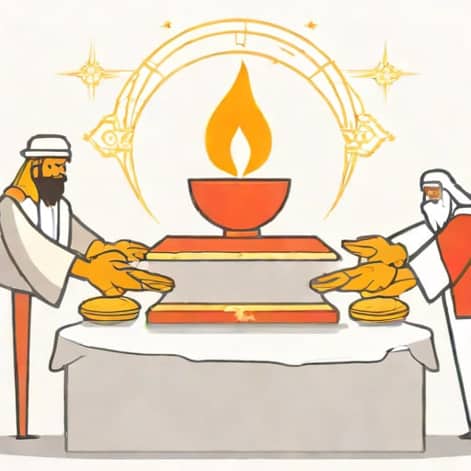
Sacrificial giving is a principle deeply rooted in scripture, emphasizing the act of offering to God with a heart of devotion, even when it requires personal sacrifice. Unlike ordinary giving, sacrificial giving involves giving beyond comfort, convenience, or surplus, reflecting trust, obedience, and love for God. Throughout the Bible, both the Old and New Testaments highlight the importance of sacrificial giving as a means of honoring God, supporting His work, and demonstrating faith. Understanding these scriptures can inspire believers to cultivate a spirit of generosity and align their hearts with God’s purposes, knowing that sacrificial giving is not just about material offerings, but also about surrendering one’s resources, time, and energy for His glory.
Understanding Sacrificial Giving
Sacrificial giving goes beyond simply giving out of abundance; it involves a conscious decision to prioritize God’s kingdom over personal comfort. In biblical terms, this type of giving is often associated with faith, obedience, and trust that God will provide for those who honor Him with their resources. It is both a spiritual discipline and an act of worship, reflecting a heart that values eternal rewards over temporary gains. Sacrificial giving is intended to glorify God, benefit others, and strengthen the giver’s relationship with the Lord.
Old Testament Examples
The Old Testament contains numerous examples and teachings about sacrificial giving. The Israelites were instructed to give offerings to God through tithes, firstfruits, and freewill offerings. These contributions were not merely rituals; they symbolized trust in God’s provision and acknowledgment of His sovereignty.
- Genesis 221-14Abraham’s willingness to offer Isaac as a sacrifice demonstrates ultimate faith and obedience, symbolizing the heart of sacrificial giving.
- Leviticus 730The Lord instructed offerings from the people to be made with sincere hearts, highlighting the importance of intention in giving.
- Proverbs 39Honor the Lord with your wealth, with the firstfruits of all your crops, emphasizes prioritizing God in financial and material resources.
New Testament Insights
In the New Testament, the principle of sacrificial giving is expanded to include a personal and spiritual dimension. Jesus and the apostles encouraged giving from the heart, not merely from what is left over. Sacrificial giving became a reflection of inner devotion and a practical way to support God’s work on earth.
- Mark 1241-44Jesus commended the widow who gave two small coins, noting that her offering was greater than the large gifts of the rich because she gave all she had. This illustrates that sacrificial giving is measured by the heart’s commitment, not the monetary value.
- 2 Corinthians 81-5Paul praised the Macedonian churches for giving generously, even in poverty, highlighting their willingness to give beyond their means as a model for sacrificial giving.
- Luke 638Give, and it will be given to you, reminds believers that sacrificial giving fosters blessings, both spiritually and materially, emphasizing reciprocity and God’s faithfulness.
Principles of Scriptural Sacrificial Giving
Scripture provides several guiding principles for sacrificial giving. These principles help believers approach giving with the right heart and mindset, ensuring that their offerings reflect genuine faith and devotion.
Giving Cheerfully
2 Corinthians 97 emphasizes the attitude behind giving Each of you should give what you have decided in your heart to give, not reluctantly or under compulsion, for God loves a cheerful giver. Sacrificial giving should never feel forced but should flow from joy and gratitude, acknowledging God’s blessings.
Prioritizing God
Giving sacrificially involves putting God first in all aspects of life. Proverbs 39 instructs believers to honor God with their wealth and firstfruits, which demonstrates trust and dependence on God’s provision rather than self-reliance.
Generosity Beyond Comfort
Sacrificial giving often requires giving beyond one’s convenience or surplus. The Macedonians, praised in 2 Corinthians 8, gave despite extreme poverty, reflecting deep faith and prioritization of God’s kingdom over personal comfort.
Supporting Others and God’s Work
Sacrificial giving is not only an act of worship but also a practical means of supporting ministry, helping the needy, and advancing God’s mission. Acts 2035 quotes Jesus It is more blessed to give than to receive, highlighting the joy and spiritual growth that comes from selfless giving.
Practical Applications of Sacrificial Giving
Believers today can apply the principles of sacrificial giving in various ways, aligning modern practices with scriptural teachings. Sacrificial giving is not limited to money but can include time, talents, and other resources dedicated to God’s service.
Financial Sacrificial Giving
- Giving tithes and offerings regularly to support the church and ministry.
- Contributing to charitable causes and missions, especially those helping the poor or marginalized.
- Offering unexpected gifts or support beyond one’s budget to help others in need.
Time and Talents
Sacrificial giving can extend to personal time and talents. Volunteering, mentoring, or serving in church ministries are ways to give beyond material resources. These acts reflect a heart willing to sacrifice comfort, leisure, or personal convenience for God’s work and the benefit of others.
Spiritual Sacrifice
Scriptural sacrificial giving also includes spiritual dedication. Prayers, fasting, and acts of devotion can be viewed as sacrifices that honor God. Romans 121 encourages believers to offer themselves as living sacrifices, holy and pleasing to God, which complements tangible giving with personal spiritual commitment.
Benefits of Sacrificial Giving
While sacrificial giving often requires personal sacrifice, scripture emphasizes the spiritual and practical rewards associated with this practice. The act of giving sacrificially strengthens faith, fosters gratitude, and builds character.
- Spiritual GrowthSacrificial giving deepens dependence on God and cultivates trust in His provision.
- Blessings and FavorLuke 638 promises that generous giving results in blessings returned to the giver.
- Joy and FulfillmentGiving selflessly produces a sense of joy and satisfaction, knowing one is contributing to God’s purposes.
- Impact on OthersSacrificial giving supports ministries, helps the needy, and advances God’s kingdom on earth.
Scriptures on sacrificial giving provide timeless guidance for believers seeking to honor God through their resources, time, and devotion. From Abraham’s faith to the widow’s offering, the Bible consistently emphasizes the heart and attitude behind giving. Sacrificial giving is not measured by the size of the gift but by the commitment and surrender of the giver. By practicing sacrificial giving, believers demonstrate trust in God, support His work, and experience spiritual growth and joy. Applying these principles in daily lifethrough financial generosity, service, and spiritual dedicationhelps cultivate a lifestyle of worship and reflects a heart aligned with God’s kingdom. Sacrificial giving, as taught in scripture, is both an act of faith and a pathway to blessing, demonstrating the profound connection between generosity, obedience, and spiritual fulfillment.