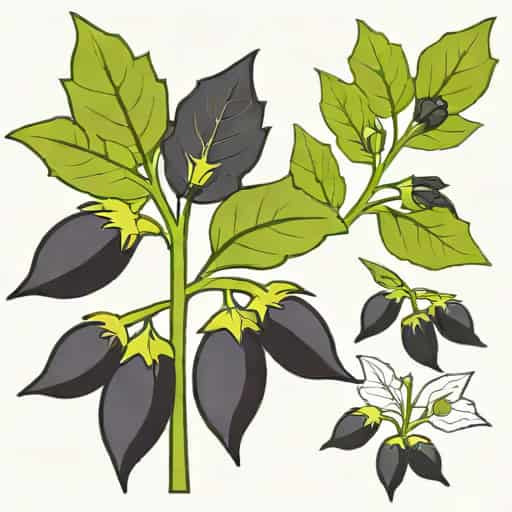
Black nightshade is a plant that has been surrounded by confusion, curiosity, and cultural importance for centuries. Often misunderstood because of its association with toxic relatives, black nightshade has also been valued in traditional practices and local cuisines in many parts of the world. When discussed carefully and responsibly, black nightshade benefits can be understood in terms of nutrition, traditional wellness uses, and its role in folk knowledge. Many communities have used certain parts of the plant in controlled ways, passing down knowledge through generations. Today, interest in black nightshade has grown as people seek natural foods and plant-based wellness options, making it important to look at its potential benefits with clarity and balance.
Understanding Black Nightshade
Black nightshade, scientifically known as Solanum nigrum, is a small flowering plant found in many regions, including Asia, Africa, Europe, and parts of the Americas. It typically grows as a wild herb with green leaves, small white flowers, and round berries that turn black when ripe. While some species in the nightshade family are harmful, black nightshade has been traditionally used in food and wellness practices when prepared correctly. Understanding the difference between ripe and unripe parts of the plant is essential when discussing black nightshade benefits.
Traditional Knowledge and Cultural Use
In many cultures, black nightshade has been used as a leafy vegetable or herbal ingredient. Traditional systems often emphasize cooking the leaves or using ripe berries only. This cultural knowledge has allowed communities to benefit from the plant while avoiding risks. Black nightshade benefits have been discussed in traditional wellness systems as part of a broader lifestyle approach rather than as a single remedy.
Nutritional Profile of Black Nightshade
One of the reasons black nightshade has gained attention is its nutritional content. The leaves of the plant are known to contain various vitamins and minerals when consumed as part of a balanced diet. These nutrients support general health and contribute to the plant’s reputation as a beneficial wild green in some regions.
Key Nutrients Found in Black Nightshade
- Vitamins such as vitamin A and vitamin C, which support immune health
- Minerals including iron and calcium, important for blood and bone health
- Dietary fiber that supports digestion
- Natural plant compounds with antioxidant properties
These nutrients help explain why black nightshade leaves have been used as a supplementary food source, especially in rural and agricultural communities.
Black Nightshade Benefits for General Wellness
When discussing black nightshade benefits, it is important to focus on general wellness support rather than specific medical claims. Traditionally, the plant has been included in meals and herbal preparations aimed at supporting overall balance in the body. Its use is often associated with seasonal eating and natural diets that emphasize variety and moderation.
Supporting Digestive Health
In traditional diets, cooked black nightshade leaves have been consumed to support digestion. The fiber content may help promote regular bowel movements and overall digestive comfort. Many people value leafy greens like black nightshade for their role in maintaining gut health as part of a diverse diet.
Antioxidant Properties
Black nightshade contains natural antioxidants that help the body manage oxidative stress. Antioxidants are important for protecting cells from damage caused by free radicals. This aspect of black nightshade benefits aligns with broader dietary advice that encourages the consumption of plant-based foods rich in natural protective compounds.
Traditional Wellness Uses
Across different regions, black nightshade has been used in traditional wellness practices in various forms. These uses are often based on local knowledge and passed down through generations. While modern science continues to study plant-based compounds, traditional uses provide insight into how communities have valued black nightshade over time.
Use in Herbal Preparations
In some traditions, black nightshade leaves have been prepared as part of herbal mixtures aimed at cooling the body or supporting balance. These preparations are usually mild and used in small amounts. Traditional practitioners often emphasize proper identification of the plant and correct preparation methods.
Role in Seasonal Diets
Black nightshade has also played a role in seasonal eating patterns. In agricultural societies, wild greens like black nightshade were harvested during specific times of the year. This practice added dietary diversity and provided access to nutrients when cultivated vegetables were limited.
Culinary Uses and Food Traditions
One of the most practical black nightshade benefits is its use as a food ingredient in certain cuisines. When cooked thoroughly, the leaves are used similarly to other leafy greens. The taste is often described as mild, slightly earthy, and adaptable to different seasonings.
Common Culinary Preparations
- Boiled or sautéed leaves served with grains or rice
- Mixed with other vegetables in stews or soups
- Seasoned with spices as a side dish
- Combined with legumes for added nutrition
These culinary uses highlight how black nightshade has been integrated into everyday meals rather than treated as a rare or exotic ingredient.
Safety and Responsible Use
While discussing black nightshade benefits, safety is an essential part of the conversation. Not all parts of the plant are safe to consume, and improper use can lead to adverse effects. Traditional knowledge strongly emphasizes using only ripe berries and properly cooked leaves. Unripe berries and raw plant parts are generally avoided.
Importance of Proper Identification
Accurate identification of black nightshade is critical, as other nightshade species can be harmful. People unfamiliar with the plant should avoid foraging without expert guidance. Responsible use ensures that any potential benefits are not overshadowed by avoidable risks.
Modern Interest and Ongoing Research
In recent years, black nightshade has attracted interest from researchers studying plant-based nutrition and traditional food systems. Scientists are exploring the plant’s natural compounds to better understand their properties. While research is ongoing, current interest reflects a broader movement toward rediscovering traditional foods and their place in modern diets.
Balancing Tradition and Modern Knowledge
Modern discussions about black nightshade benefits often aim to balance traditional wisdom with scientific understanding. This approach encourages respect for cultural practices while promoting safety, moderation, and informed choices.
Black nightshade benefits are best understood within the context of tradition, nutrition, and responsible use. Far from being simply a misunderstood plant, black nightshade has served as a source of food and wellness support in many cultures. Its nutritional value, antioxidant content, and role in traditional diets highlight its potential when handled correctly. At the same time, awareness of safety and proper preparation is essential. By approaching black nightshade with knowledge and respect, it can be appreciated as part of the rich diversity of plant-based foods that have supported human communities for generations.