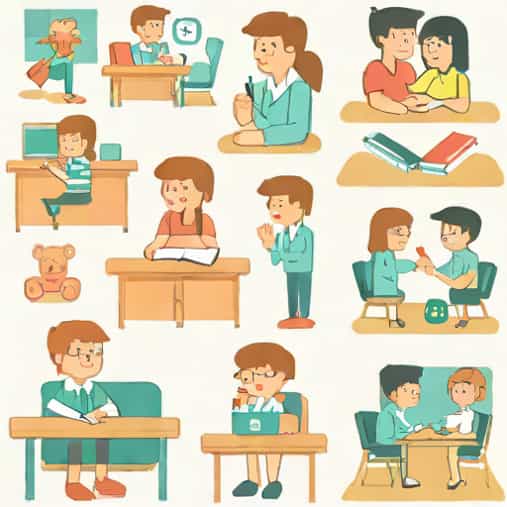
Schools play a crucial role in the socialization process, helping children and young adults learn how to interact with others, understand societal norms, and develop the skills necessary to function effectively in a community. Beyond academic learning, schools provide an environment where students are exposed to diverse perspectives, cultural values, and social responsibilities. Through interactions with teachers, peers, and staff, students develop communication skills, empathy, cooperation, and critical thinking. Socialization in school lays the foundation for lifelong social behavior and prepares students to participate actively in society.
The Concept of Socialization in Schools
Socialization is the process through which individuals learn the norms, values, behaviors, and social skills necessary to participate in society. Schools act as secondary agents of socialization, supplementing the primary socialization that occurs within the family. In a school setting, children interact with peers, teachers, and other staff, encountering situations that require collaboration, negotiation, and problem-solving. These experiences help students develop an understanding of social expectations, cultural norms, and ethical behavior, contributing to their overall personality development.
Formal and Informal Socialization
School socialization occurs through both formal and informal mechanisms. Formal socialization includes structured activities such as classroom lessons, rules, and school routines. Informal socialization happens through playground interactions, group projects, clubs, and extracurricular activities. Both types of socialization are essential in helping students learn how to communicate effectively, resolve conflicts, and develop a sense of responsibility.
Examples of School’s Role in Socialization
Schools provide numerous opportunities for socialization, each contributing to students’ personal and social development. Some examples include
Classroom Interactions
In classrooms, students engage in group discussions, debates, and collaborative projects. These activities encourage active participation, teamwork, and respect for others’ opinions. For example, a science project requiring students to work in teams teaches them how to share responsibilities, listen to different viewpoints, and negotiate solutions.
Extracurricular Activities
Clubs, sports teams, and arts programs provide informal socialization opportunities. Participation in a debate club helps students articulate their ideas confidently, while joining a soccer team teaches cooperation, leadership, and sportsmanship. These experiences reinforce social skills that are applicable both in school and in later professional or personal life.
School Events and Celebrations
Annual events like cultural festivals, science fairs, and sports days create opportunities for students to socialize beyond the classroom. For instance, during a school cultural festival, students collaborate to organize performances or exhibitions, learning organizational skills, teamwork, and how to appreciate diversity. These experiences foster a sense of community and belonging.
Teacher-Student Relationships
Teachers play a vital role in guiding students through socialization. Positive teacher-student interactions help students develop trust, confidence, and respect for authority. For example, a teacher who encourages class participation and addresses conflicts fairly teaches students problem-solving, empathy, and ethical behavior, reinforcing social norms.
Peer Interactions
Peers influence social learning significantly in schools. Friendships and peer groups provide opportunities to practice communication, negotiation, and emotional regulation. For example, students resolving disagreements over a group assignment learn conflict resolution skills, patience, and compromise, all of which are essential for functioning in society.
Developing Values and Norms
Schools also serve as platforms for instilling values and social norms. Through classroom discussions, school rules, and participation in community service, students learn about responsibility, respect, honesty, and fairness. For example, encouraging students to follow a code of conduct or participate in environmental cleanup drives helps them internalize civic values and ethical behavior, preparing them to be responsible citizens.
Role of Curriculum in Socialization
The academic curriculum itself contributes to socialization by exposing students to cultural, historical, and scientific knowledge. History lessons, for instance, help students understand societal evolution, democracy, and civic duties, while literature classes introduce moral dilemmas and diverse perspectives. These subjects encourage critical thinking, empathy, and a broader understanding of human behavior.
Learning Social Skills
Schools provide practical opportunities to develop social skills that are essential for adult life. Activities such as public speaking, peer mentoring, and cooperative learning enhance communication, teamwork, leadership, and problem-solving abilities. For example, a student leading a class presentation practices confidence, clarity, and engagement with an audience, skills applicable in professional environments.
Challenges in School Socialization
While schools provide a structured environment for socialization, they also present challenges. Bullying, peer pressure, and social inequality can affect the social development of students. Addressing these issues requires active intervention from teachers, counselors, and school administrators to ensure a safe and inclusive environment. For instance, anti-bullying programs, mentorship schemes, and inclusive policies help students navigate social complexities and build healthy relationships.
Addressing Diversity
Schools bring together students from diverse backgrounds, including different cultures, languages, and socioeconomic statuses. Effective socialization involves teaching tolerance, inclusion, and appreciation for diversity. Activities like multicultural events, collaborative projects, and group discussions on social issues help students understand and respect differences, promoting harmony and social cohesion.
Encouraging Emotional Intelligence
Socialization in school also involves developing emotional intelligence. Through peer interactions, conflict resolution exercises, and guided discussions, students learn to identify and manage their emotions, empathize with others, and respond appropriately in social situations. For example, counseling sessions or social-emotional learning programs help students develop resilience, self-awareness, and interpersonal skills.
The role of schools in socialization is multifaceted, encompassing academic, emotional, and social development. Schools provide structured and unstructured environments where students learn essential social skills, values, norms, and behaviors. From classroom interactions and extracurricular activities to teacher guidance and peer relationships, schools create opportunities for students to practice communication, cooperation, empathy, and ethical decision-making. Examples such as group projects, cultural events, and team sports demonstrate how schools actively contribute to social learning. Despite challenges like bullying and social inequality, schools remain vital institutions for preparing students to engage successfully in society. By fostering socialization, schools not only support personal growth but also contribute to the development of responsible, capable, and socially aware citizens ready to navigate the complexities of the modern world.