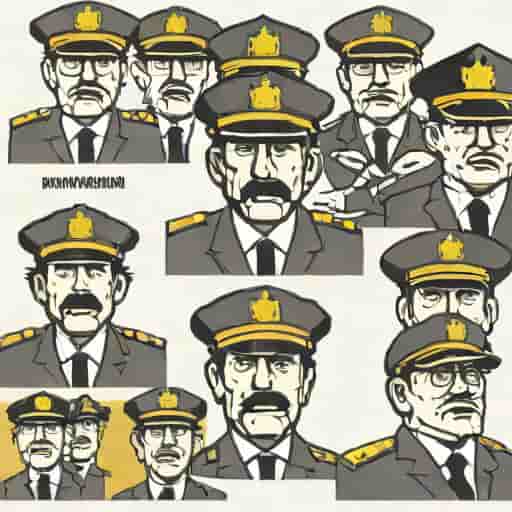
Michael Chabon’s The Yiddish Policemen’s Union invites readers into a reimagined world where history bends, cultures shift, and mystery takes center stage. The novel captures attention not only through its inventive alternate history but also through its emotional depth, distinctive characters, and rich linguistic texture. Many readers are drawn to the way it blends noir fiction with cultural storytelling, creating a narrative experience that feels familiar yet entirely unique. This combination makes the book a compelling topic for discussion, especially for those who enjoy genre-crossing novels that offer both entertainment and thoughtful exploration.
Understanding the Alternate World of the Novel
The world Chabon constructs in The Yiddish Policemen’s Union is set in a fictional version of Sitka, Alaska, where Jewish refugees established a temporary settlement after World War II. Instead of the historical creation of the State of Israel, the novel imagines a scenario where this Alaskan haven becomes a vibrant, complicated place filled with political tensions, cultural traditions, and social challenges. This alternate history provides the backdrop for the narrative and influences every decision the characters make.
The Significance of the Sitka District
Sitka serves as more than just a setting; it acts as a symbol of both survival and impermanence. The looming threat that the district’s special status may soon be revoked adds a layer of urgency to the story. This environment creates a pressure cooker where communities must navigate identity, belonging, and uncertainty.
- The temporary nature of the settlement intensifies cultural preservation.
- Political structures reflect real-world struggles and power dynamics.
- Daily life blends tradition with modern influences unique to the region.
The Role of Genre Blending
One of the most notable features of The Yiddish Policemen’s Union is its seamless blending of genres. Chabon merges detective noir with speculative fiction and cultural drama, resulting in a layered story that defies easy classification. This combination gives the book a sense of intrigue while maintaining emotional complexity.
Noir Elements in the Story
The narrative follows classic noir conventions a determined, slightly weary detective, a mysterious crime, and a city with shadows around every corner. Chabon pays homage to traditional noir storytelling while enriching it with cultural depth and inventive language.
- A central mystery drives the plot forward.
- The protagonist embodies the flawed, introspective noir archetype.
- Atmospheric descriptions enhance tension and mood.
Main Characters and Their Emotional Landscape
At the heart of the novel is Detective Meyer Landsman, a man wrestling with personal losses, professional frustrations, and a sense of displacement. His character reflects themes of identity and resilience, and his journey is not just about solving a case but also understanding his own place in a rapidly changing world.
Meyer Landsman’s Complexity
Landsman is portrayed as a deeply human character, shaped by regret and determination. His emotional struggles mirror the uncertainty of the Sitka community itself. This connection between character and setting strengthens the narrative’s impact.
Key Supporting Characters
The novel introduces a memorable cast, each contributing to its layered storytelling. From Landsman’s partner Berko Shemets to his ex-wife and commanding officer Bina Gelbfish, the characters reflect different aspects of the novel’s themes.
- Berko offers grounding support and contrasts Landsman’s personality.
- Bina’s resilience and leadership add emotional depth.
- Each character’s background enriches the cultural texture of the story.
Thematic Exploration
Chabon uses The Yiddish Policemen’s Union to explore themes of identity, community, displacement, and hope. The novel examines what it means to belong to a place that may not last, and how personal history shapes one’s future. These themes resonate strongly with readers who appreciate narratives that blend introspection with speculative storytelling.
Identity and Cultural Memory
The novel delves deeply into Jewish cultural identity, highlighting both its fragility and resilience. Characters must navigate traditions, beliefs, and language while living in a settlement that constantly reminds them of their temporary status.
Belonging and Displacement
Because Sitka is designed as a temporary homeland, characters live with a constant sense of impermanence. This tension influences relationships, politics, and individual choices. Chabon’s portrayal of displacement echoes real historical struggles while remaining grounded in the novel’s alternate world.
Chabon’s Linguistic Craftsmanship
Language plays a central role in the novel. Chabon blends English with Yiddish expressions, creating dialogue and narration that feel authentic and immersive. The linguistic richness contributes to the world-building and emphasizes cultural continuity within the fictional community.
The Power of Language in Storytelling
Yiddish phrases and cadences help shape characters’ identities. Instead of simply acting as decorative elements, the linguistic choices enhance emotion, humor, and atmosphere. This makes the novel engaging for readers who appreciate expressive, well-crafted prose.
- Language reveals cultural values and storytelling traditions.
- Dialogue builds authenticity and emotional resonance.
- Narrative descriptions highlight the blend of genres and tones.
Why the Novel Continues to Attract Readers
Though published years ago, The Yiddish Policemen’s Union continues to capture attention because it offers something rare a story that feels both epic and intimate, blending entertainment with meaningful reflection. Its creative world-building and strong character development make it memorable, while its themes remain relevant across time.
Appeal to Different Types of Readers
The novel attracts fans of mystery, speculative fiction, cultural literature, and character-driven narratives. Its layered approach allows each reader to find something different depending on their personal interests.
- Fans of detective fiction enjoy the noir-driven plot.
- Readers of speculative fiction appreciate the alternate history concept.
- Those drawn to cultural narratives value its emotional and historical depth.
Michael Chabon’s The Yiddish Policemen’s Union stands as a remarkable example of how genre, culture, and imagination can merge to create a powerful narrative. Its rich world-building, compelling characters, and thoughtful themes continue to resonate with readers. Through its alternate history setting, the novel offers insight into identity, resilience, and the search for meaning. With its combination of noir atmosphere and cultural storytelling, it remains an unforgettable work that rewards both casual readers and those seeking deeper exploration.