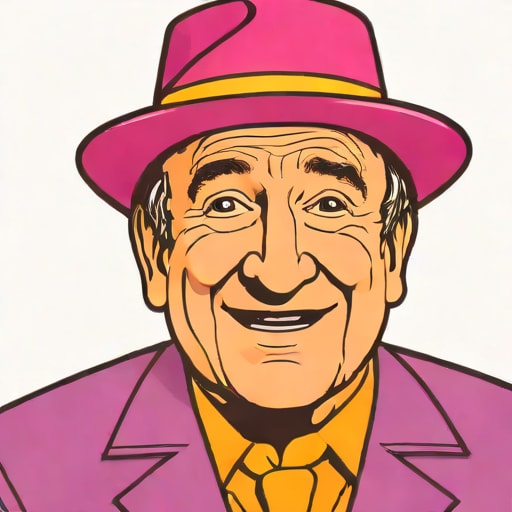
Robin Williams was one of the most beloved actors and comedians of his generation, known for his boundless energy, quick wit, and ability to bring both laughter and tears to audiences. Among the many films he starred in, Death to Smoochy, released in 2002, stands out as a dark comedy that contrasts sharply with the warmth audiences usually associated with Williams. The movie, directed by Danny DeVito, explores themes of jealousy, ambition, and the cutthroat nature of children’s television, offering a satirical glimpse into the behind-the-scenes world of entertainment. For fans and critics alike, the film provides an interesting window into Williams’ versatility as an actor, showing his capacity for both comedy and cynicism.
The Premise of Death to Smoochy
Death to Smoochy is a black comedy centered around the character of Rainbow Randolph, played by Robin Williams. Randolph is a flamboyant and once-popular children’s television host whose career begins to decline due to scandals and controversies. The story takes a turn when a new character, Smoochy the Rhino, played by Edward Norton, is introduced to replace him. Randolph becomes consumed by jealousy and resentment, leading to increasingly outrageous and morally questionable actions. The film explores the dark side of show business while maintaining a satirical, almost absurdist humor that challenges conventional perceptions of children’s entertainment.
Robin Williams as Rainbow Randolph
In Death to Smoochy, Robin Williams’ portrayal of Rainbow Randolph is both exaggerated and nuanced. He embodies the character’s charisma, arrogance, and vulnerability, creating a figure who is simultaneously comic and tragic. Randolph’s over-the-top behavior highlights Williams’ improvisational talent and his ability to navigate complex emotional territory, balancing slapstick with subtle emotional undertones. Fans of Williams may find his performance in Death to Smoochy strikingly different from roles in family-friendly films such as Mrs. Doubtfire or Aladdin, demonstrating his range as an actor.
The Film’s Production and Reception
Death to Smoochy was directed by Danny DeVito, who also appears in the film, and features a supporting cast including Catherine Keener, Jon Stewart, and Danny DeVito himself. The production aimed to combine dark humor with a critique of the entertainment industry, creating a satirical tone that was not always easy for mainstream audiences to embrace. Upon release, the film received mixed reviews. Critics praised Williams’ performance and the film’s audacious humor but noted that the dark, cynical tone might alienate viewers expecting a traditional family comedy. Over time, however, the film has gained a cult following for its daring approach and Williams’ commitment to the role.
The Contrast Between Williams’ Persona and the Film
One of the most intriguing aspects of Death to Smoochy is the stark contrast between Robin Williams’ public persona and the character he portrays. Williams was known for his warmth, generosity, and infectious humor, yet Rainbow Randolph is selfish, bitter, and often cruel. This juxtaposition allows audiences to see Williams’ skill in inhabiting roles far removed from his own personality, using his comedic timing and dramatic instincts to bring authenticity to a character who is intentionally unlikable. The film serves as a reminder that Williams’ talents extended well beyond the roles for which he was most celebrated.
Impact on Robin Williams’ Career
Although Death to Smoochy was not a commercial success, it remains an important entry in Robin Williams’ filmography. It highlighted his willingness to take risks and experiment with different genres, including dark comedy and satire. Williams’ performance demonstrated that he could engage with material that was morally complex and emotionally challenging, further cementing his reputation as a versatile actor. In retrospect, the film is often appreciated by critics and fans who admire Williams’ fearless approach to acting and his ability to tackle unconventional roles.
The Legacy of the Film
While Death to Smoochy may not have been widely embraced at the box office, its legacy lies in its boldness and Williams’ unforgettable performance. The film is now often studied in film courses and retrospectives as an example of early-2000s satire and as a testament to the creative risks that established actors like Williams were willing to take. For viewers revisiting the movie today, it offers a layered experience that combines humor, critique, and a glimpse into the challenges of maintaining integrity in a competitive industry.
Robin Williams’ Life After Death to Smoochy
Following the release of Death to Smoochy, Robin Williams continued to appear in a wide range of films, demonstrating his versatility in both comedic and dramatic roles. Notable films included One Hour Photo, Insomnia, and later critically acclaimed performances in Good Will Hunting and Night at the Museum. Williams’ ability to transition between genres while maintaining his unique energy and humanity made him one of the most respected and beloved actors of his time.
Reflections on Williams’ Career and Influence
Robin Williams’ work in Death to Smoochy reflects a broader theme in his career the tension between public perception and personal artistry. He often chose roles that challenged expectations, whether through dark humor, dramatic intensity, or improvisational brilliance. This commitment to exploring the full range of human experience helped Williams connect with audiences on multiple levels and left a lasting impact on cinema. His career serves as a reminder of the transformative power of performance and the importance of taking creative risks.
Death to Smoochy remains a unique and compelling part of Robin Williams’ legacy. The film showcases his talent for blending humor with darker themes and highlights his ability to bring depth to characters who are morally ambiguous or flawed. Though initially met with mixed reviews, the film has grown in appreciation over time, particularly for Williams’ fearless and nuanced performance. More broadly, the movie is a testament to Williams’ dedication to his craft and his willingness to explore new creative territories. For fans, scholars, and casual viewers alike, Death to Smoochy provides an enduring example of how Robin Williams could take risks, challenge expectations, and leave a lasting impression on both the art of film and the hearts of audiences.