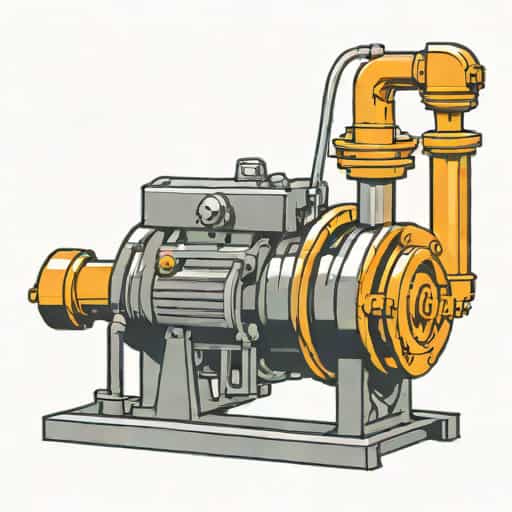
Horizontal multistage pumps are essential components in many industrial, commercial, and municipal applications where fluid needs to be moved efficiently over long distances or at high pressure. Unlike single-stage pumps, horizontal multistage pumps utilize multiple impellers arranged in series to generate higher pressures without excessively increasing the pump speed. These pumps are widely used in water supply systems, boiler feed applications, irrigation, HVAC systems, and various chemical processes. Their horizontal configuration provides stability, ease of maintenance, and adaptability for different flow rates and pressure requirements. Understanding the design, operation, advantages, and applications of horizontal multistage pumps is crucial for engineers, plant operators, and technicians who rely on these systems for consistent and reliable performance.
Design and Construction
The design of a horizontal multistage pump typically includes a series of impellers mounted on a common shaft within a horizontal casing. Each stage consists of an impeller and a diffuser or volute that directs the fluid to the next stage, progressively increasing the pressure. The pump casing is robust, often made from stainless steel, cast iron, or other corrosion-resistant materials to ensure durability and long service life. Mechanical seals are commonly used to prevent leakage, and bearings support the rotating shaft to minimize friction and wear. The horizontal layout allows for a more compact installation in plant environments compared to vertical multistage pumps, making them easier to integrate into existing piping systems.
Main Components
- Impellers Convert mechanical energy into kinetic energy, creating pressure.
- Diffusers/Volutes Direct the fluid from one stage to the next efficiently.
- Shaft Connects all impellers and transfers power from the motor.
- Bearings Support the shaft and ensure smooth rotation.
- Mechanical Seals Prevent fluid leakage and maintain system integrity.
- Pump Casing Provides structural support and houses the fluid pathway.
Operating Principles
Horizontal multistage pumps operate by sequentially moving fluid through multiple impellers. Each impeller increases the pressure of the fluid, and as it passes through successive stages, the total pressure rises to the desired level. The fluid enters the pump through the suction flange, flows through the first impeller, and is guided by the diffuser to the next stage. This process repeats until the fluid exits through the discharge flange at high pressure. The pump’s performance depends on the number of stages, impeller design, rotational speed, and motor power. Proper alignment and maintenance are essential to ensure efficiency and prevent mechanical failures.
Performance Characteristics
- High-pressure output with moderate flow rates, suitable for long-distance pumping.
- Efficiency varies with the number of stages and pump design, typically 70-85%.
- Flow rate can be adjusted by changing the impeller diameter or speed.
- Capable of handling clean water, industrial liquids, and some chemical fluids.
Applications of Horizontal Multistage Pumps
Horizontal multistage pumps are versatile and widely used across various industries. In water supply and treatment plants, they provide consistent pressure for municipal distribution systems and high-rise building water supply. In industrial settings, these pumps feed boilers with high-pressure water, circulate cooling water in HVAC systems, and support chemical processing by transferring liquids under controlled pressure. Agricultural and irrigation applications also benefit from their ability to deliver water efficiently over large fields and varying elevations. Their adaptability to different flow rates and pressure requirements makes them indispensable in modern fluid handling systems.
Key Industries
- Municipal Water Supply High-pressure distribution for residential and commercial areas.
- Industrial Boilers Feeding water to high-pressure boilers in manufacturing plants.
- HVAC Systems Circulating hot and chilled water in heating and cooling systems.
- Chemical Industry Handling various process fluids safely and efficiently.
- Agriculture and Irrigation Moving water across long distances for crops and livestock.
Advantages of Horizontal Multistage Pumps
Horizontal multistage pumps offer several advantages that make them a preferred choice in many applications. Their horizontal design simplifies installation and maintenance, as most components are accessible from the side, unlike vertical pumps that may require complex overhead supports. They can achieve high pressures without significantly increasing pump speed, reducing wear on components and improving reliability. Additionally, these pumps are efficient, scalable, and compatible with variable frequency drives, allowing precise control of flow and pressure. Their robust construction and ability to handle clean or slightly contaminated fluids add to their long-term operational value.
Benefits Overview
- High-pressure capability without excessive speed.
- Compact horizontal design suitable for plant integration.
- Ease of maintenance with accessible components.
- Good energy efficiency and performance stability.
- Scalable for different flow and pressure requirements.
- Durable construction for long service life.
Maintenance and Troubleshooting
Maintaining a horizontal multistage pump involves regular inspection, lubrication of bearings, monitoring of seals, and checking for alignment and vibration issues. Common problems include cavitation, which occurs when the suction pressure is too low, and mechanical wear due to inadequate lubrication or misalignment. Bearings and seals may require replacement over time, and impellers should be checked for corrosion or erosion. Scheduled maintenance ensures that the pump operates efficiently and extends its lifespan, while timely troubleshooting minimizes downtime and prevents costly repairs.
Maintenance Tips
- Monitor suction and discharge pressures to prevent cavitation.
- Regularly inspect mechanical seals and replace worn parts.
- Lubricate bearings according to manufacturer guidelines.
- Check alignment and vibration to prevent shaft damage.
- Inspect impellers for wear, corrosion, or debris accumulation.
Horizontal multistage pumps are a vital solution for applications requiring high pressure and reliable fluid delivery. Their multiple-stage design, efficient impeller arrangement, and robust horizontal construction make them suitable for a wide range of industrial, municipal, and agricultural applications. Proper understanding of their operating principles, performance characteristics, and maintenance requirements is essential for maximizing efficiency and lifespan. By selecting the right pump design and adhering to maintenance protocols, operators can ensure that horizontal multistage pumps provide consistent, high-pressure performance for years of dependable service. Their versatility, durability, and efficiency continue to make them a preferred choice in modern fluid handling systems.