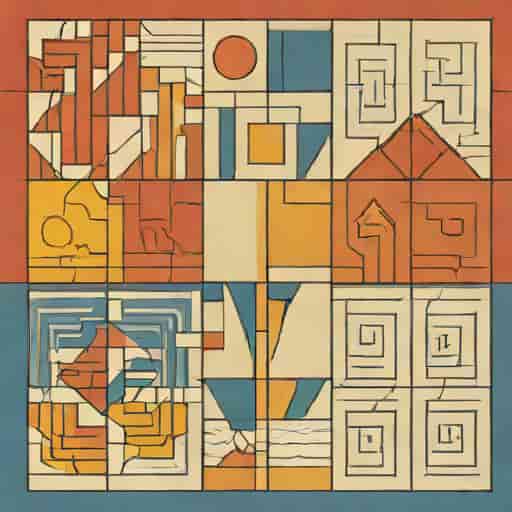
Quilts have long been more than functional bed coverings. They are visual stories, expressions of culture, and reflections of artistic movements. When quilters draw inspiration from architecture, the results can be especially striking. Quilts in the tradition of Frank Lloyd Wright represent a fascinating blend of textile art and architectural philosophy. These quilts echo his love for geometry, nature, balance, and harmony, translating ideas once built in wood, stone, and glass into fabric and thread.
Understanding Frank Lloyd Wright’s Design Philosophy
To appreciate quilts in the tradition of Frank Lloyd Wright, it is important to understand the principles behind his work. Wright believed that design should be organic, meaning it should exist in harmony with nature and the environment.
His buildings emphasized horizontal lines, open spaces, and strong geometric forms. He avoided unnecessary decoration, preferring patterns that grew naturally from structure and function. These same ideas often guide quilters who work within his tradition.
Why Frank Lloyd Wright Inspires Quilt Artists
Frank Lloyd Wright’s designs translate surprisingly well into quilting. His use of repeating patterns, straight lines, and stained-glass-like compositions makes an ideal foundation for fabric-based art.
Quilts inspired by his work often feel timeless because his designs were rooted in universal shapes such as squares, rectangles, and circles.
Key Reasons Quilters Are Drawn to His Style
- Strong geometric structure
- Balanced symmetry and asymmetry
- Connection between art and everyday life
- Nature-inspired forms and colors
Geometric Patterns in Wright-Inspired Quilts
Geometry is one of the most recognizable elements of quilts in the tradition of Frank Lloyd Wright. Quilters often use sharp angles, repeating blocks, and layered shapes to echo his architectural drawings.
These patterns are not random. Each shape usually relates to another, creating a sense of order and rhythm across the quilt surface.
Color Palettes Influenced by Nature
Frank Lloyd Wright favored colors drawn from the natural world. Earth tones, warm neutrals, deep greens, muted reds, and golden hues frequently appear in his work.
Quilts inspired by his tradition often reflect this same palette. Instead of overly bright or trendy colors, quilters choose shades that feel grounded and harmonious.
Stained Glass as a Major Influence
One of the strongest visual connections between Frank Lloyd Wright and quilting comes from his stained glass designs. He created hundreds of window patterns featuring bold lines and abstract geometry.
Quilters adapt these designs by using dark fabric strips to mimic lead lines, with lighter or contrasting fabrics filling the spaces, much like colored glass.
Translating Architecture Into Textile Form
Architecture and quilting may seem like very different disciplines, but both rely on structure, planning, and craftsmanship. Quilts in the tradition of Frank Lloyd Wright often begin with careful sketches or patterns.
Just as Wright believed form should follow function, these quilts balance visual beauty with construction logic.
Shared Principles Between Architecture and Quilting
- Attention to proportion
- Structural integrity
- Intentional repetition
- Respect for materials
Minimalism and Visual Clarity
Wright rejected excessive ornamentation, and this philosophy carries over into quilt design. Wright-inspired quilts typically avoid cluttered layouts or overly complex embellishments.
The focus remains on clean lines, clear shapes, and thoughtful use of space, allowing the overall composition to speak for itself.
Horizontal Emphasis in Quilt Layouts
One hallmark of Frank Lloyd Wright’s architecture is horizontal emphasis, meant to reflect the natural landscape. Quilters often mirror this by designing quilts with strong horizontal bands or extended rectangular shapes.
This creates a sense of calm and stability, making the quilt feel grounded and expansive.
Organic Flow and Repetition
Although his designs appear structured, Wright believed patterns should feel organic rather than rigid. Quilts in his tradition often use repeated motifs that evolve slightly across the surface.
This subtle variation keeps the design from feeling mechanical and adds visual interest.
Materials and Fabric Choices
Fabric selection plays a crucial role in capturing the Frank Lloyd Wright aesthetic. Solid fabrics or subtle textures are often preferred over busy prints.
Natural fibers and matte finishes help reinforce the organic quality of the design.
Modern Quilting Meets Classic Inspiration
Many contemporary quilt artists combine modern quilting techniques with Wright-inspired aesthetics. This includes precise piecing, bold negative space, and innovative layouts.
The result is a fresh interpretation that respects tradition while embracing modern creativity.
Quilts as Functional Art
Frank Lloyd Wright believed that art should be part of everyday life, not confined to galleries. Quilts in his tradition embody this idea perfectly.
They are functional objects that also serve as visual statements, enhancing living spaces much like his buildings were designed to do.
Educational Value of Wright-Inspired Quilts
These quilts are often used in educational settings to explore design principles. They help students understand geometry, color theory, and composition in a hands-on way.
Quilting becomes a bridge between fine art, architecture, and craft.
Challenges of Designing in This Tradition
Creating quilts in the tradition of Frank Lloyd Wright requires careful planning and precision. Straight lines must align perfectly, and color balance must be thoughtfully considered.
This challenge is part of the appeal for many quilters who enjoy problem-solving through design.
Personal Expression Within a Structured Style
Although inspired by a specific architectural tradition, these quilts are not copies. Each artist brings personal interpretation, whether through color choice, scale, or pattern variation.
This allows for creativity within a structured framework.
Why These Quilts Feel Timeless
Quilts influenced by Frank Lloyd Wright often feel timeless because they rely on fundamental design principles rather than trends. Geometry, balance, and harmony remain visually appealing across generations.
This lasting quality makes them treasured pieces in both private collections and public exhibitions.
The Emotional Impact of Wright-Inspired Quilts
Viewers often describe these quilts as calming, thoughtful, and meditative. The ordered patterns and natural colors create a sense of peace and stability.
This emotional response reflects Wright’s belief that good design should nurture the human spirit.
Quilts in the Tradition of Frank Lloyd Wright Today
Today, quilts in the tradition of Frank Lloyd Wright continue to evolve. Quilters around the world reinterpret his ideas through new fabrics, techniques, and cultural perspectives.
While honoring his legacy, they ensure that his design philosophy remains relevant and alive.
Final Reflections on Textile and Architecture Harmony
Quilts in the tradition of Frank Lloyd Wright stand at the intersection of art, architecture, and craft. They transform architectural ideas into soft, tactile forms that can be touched, used, and lived with. By embracing geometry, nature, and simplicity, these quilts honor a design philosophy that values harmony and purpose. They remind us that great design does not belong to one medium alone, but can move seamlessly from buildings to fabric, enriching everyday life in quiet and meaningful ways.