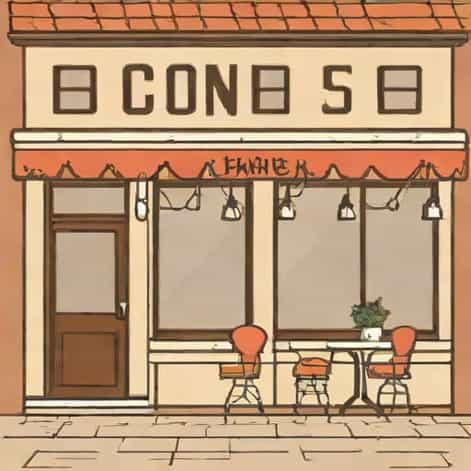
There is something inherently charming about a quaint establishment in which to take a cuppa, a place where the hustle and bustle of daily life fades into the background and a sense of calm and comfort takes its place. These little tea rooms, cafes, or tearooms offer not just a beverage but an experience-a chance to slow down, enjoy a moment of serenity, and savor the rich flavors of tea in a welcoming atmosphere. From vintage furnishings to the aroma of freshly brewed tea and baked treats, such establishments create a sensory retreat that appeals to both locals and travelers alike. Understanding what makes these spots special involves exploring their ambiance, offerings, and the cultural significance of tea drinking.
Characteristics of a Quaint Tea Establishment
Quaint tea establishments are often characterized by their unique charm, cozy atmosphere, and attention to detail. They typically feature vintage or rustic decor, comfortable seating, and an intimate layout that encourages conversation and relaxation. Many are family-owned or independently run, which allows for personalized service and a sense of individuality that chain cafes cannot replicate. Soft music, warm lighting, and carefully curated decor contribute to a feeling of comfort and nostalgia, making visitors feel at home from the moment they walk in. These establishments are designed to be inviting, encouraging patrons to linger over their tea and take pleasure in the small details of the setting.
Interior and Ambiance
The interior of a quaint tea room often reflects a blend of traditional and personal touches. Floral wallpaper, antique teacups, wooden furniture, and hand-painted signs create an atmosphere that is both elegant and approachable. Many establishments incorporate local art, vintage knick-knacks, or seasonal decorations to add personality and warmth. The ambiance is further enhanced by the layout, which might include cozy corners for quiet reading, small tables for intimate chats, or window seats overlooking bustling streets or gardens. Such design elements foster a sense of nostalgia and relaxation, inviting patrons to slow down and savor the moment.
Variety of Tea Offerings
One of the central attractions of a quaint establishment in which to take a cuppa is the variety and quality of tea on offer. From classic black and green teas to herbal blends, floral infusions, and specialty loose-leaf options, these cafes often prioritize quality and flavor. Some establishments may even source teas from local or international tea estates, highlighting the provenance and unique characteristics of each blend. Tea preparation in these settings is treated with care, whether it involves steeping leaves in a teapot, using traditional infusers, or presenting the beverage with delicate accompaniments such as honey, lemon, or milk.
Accompaniments and Light Refreshments
Alongside tea, quaint cafes often offer a selection of pastries, scones, finger sandwiches, and light desserts. These treats complement the tea experience and provide a sense of indulgence. Seasonal ingredients, freshly baked goods, and attention to presentation make these small delights memorable. Many tea rooms also offer afternoon tea service, complete with tiered trays, clotted cream, and jams, turning a simple cup of tea into a leisurely ritual. The combination of thoughtful tea offerings and delicious accompaniments enhances the appeal of these establishments and encourages visitors to return regularly.
Cultural Significance of Tea Drinking
Tea drinking has long been associated with social interaction, relaxation, and cultural tradition. Quaint tea establishments provide a modern space to engage in this age-old practice. In many cultures, tea represents hospitality, mindfulness, and reflection. By visiting a tea room, patrons participate in a tradition that emphasizes the enjoyment of both beverage and company. These establishments often host community events, book clubs, or informal gatherings, further reinforcing the social and cultural importance of tea drinking. The act of sitting down for a cup of tea becomes more than just consumption; it becomes an experience of connection, conversation, and calm.
Social Interaction and Community
A quaint tea room often serves as a hub for community interaction. Visitors may engage in conversations with friends, meet new people, or enjoy quiet solitude. The intimate setting encourages slower-paced interaction, fostering meaningful conversations that contrast with the fast tempo of modern life. In many small towns and urban neighborhoods, tea establishments act as cultural landmarks, preserving local traditions and providing a welcoming space for residents and visitors alike. By offering a retreat from busy routines, these tea rooms contribute to both personal well-being and community cohesion.
Modern Trends in Quaint Tea Establishments
While traditional tea rooms remain beloved, many modern establishments have adapted to contemporary tastes while maintaining their quaint charm. Specialty teas, artisanal pastries, and locally sourced ingredients are increasingly popular, alongside aesthetic decor that appeals to social media enthusiasts. Some cafes incorporate sustainable practices, such as reusable teapots, organic teas, and eco-friendly packaging, aligning with modern values while retaining a cozy, nostalgic ambiance. Technology is sometimes subtly integrated, with online reservations or digital menus, but the primary focus remains on the sensory and social experience of enjoying a cup of tea in a warm, inviting space.
Appeal to Travelers and Tourists
Quaint tea establishments often attract travelers seeking authentic, memorable experiences. A small tea room tucked away on a quiet street can become a destination in itself, offering a taste of local culture and history. Visitors enjoy exploring the decor, learning about the teas, and observing the traditions of service and preparation. For many, these experiences are as much about ambiance and storytelling as they are about the beverage itself. The charm of a quaint tea room lies in its ability to transport patrons to a slower, more reflective pace of life, creating lasting memories beyond the simple act of drinking tea.
Tips for Finding the Perfect Tea Spot
- Look for independently owned or family-run establishments, which often prioritize charm and personalized service.
- Pay attention to decor and ambiance, seeking cozy seating, warm lighting, and thoughtful details that enhance comfort.
- Check the variety and quality of teas offered, including specialty blends, loose-leaf options, and seasonal selections.
- Consider accompanying treats such as pastries, scones, or sandwiches, which complement the tea experience.
- Observe how the staff engages with customers; friendly, knowledgeable service contributes significantly to the overall experience.
- Look for community involvement or events, as tea rooms that host gatherings often have a welcoming and lively atmosphere.
A quaint establishment in which to take a cuppa offers far more than just a beverage; it provides a moment of respite, comfort, and connection. Through charming decor, carefully curated tea selections, and thoughtful accompaniments, these tea rooms create an inviting environment that encourages relaxation and social interaction. They preserve cultural traditions, support community engagement, and offer a sensory retreat from the fast pace of modern life. Whether tucked away in a quiet town or nestled in a bustling city, these establishments remind us of the joy of slowing down, savoring a cup of tea, and enjoying the simple pleasures that enrich daily life. For anyone seeking warmth, charm, and a mindful pause, a visit to a quaint tea room is an experience not to be missed.