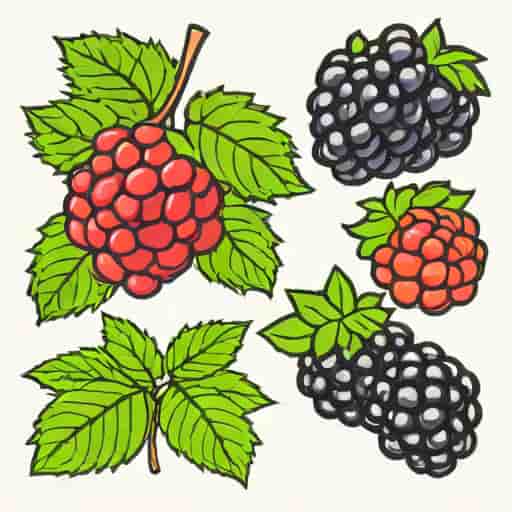
When exploring the world of berries, it is easy to come across varieties that look similar but have distinct differences in taste, appearance, and cultivation. Two berries that often create confusion among fruit enthusiasts and home gardeners are loganberries and blackberries. While they share certain traits, such as being members of the same Rosaceae family and having a deep, rich color, they differ in origin, flavor, and uses. Understanding these differences can help you choose the right berry for your culinary creations, gardening projects, or nutritional needs.
Origin and History
Loganberries are a hybrid fruit that was first developed in the late 19th century by James Harvey Logan in California. He crossed a blackberry with a red raspberry, resulting in a unique berry that combines characteristics of both parent fruits. The loganberry quickly gained attention for its distinctive flavor and versatility in cooking.
Blackberries, on the other hand, are native to Europe, North America, and parts of Asia. They have been cultivated for centuries and are widely available in wild and farmed forms. Unlike the hybrid loganberry, blackberries grow naturally in many regions and have numerous cultivated varieties that range from sweet to slightly tart.
Appearance and Physical Differences
At first glance, loganberries and blackberries might look similar, but closer inspection reveals notable differences. Loganberries are generally elongated and slightly flattened, reflecting their hybrid nature. They have a deep red to dark purple color when fully ripe and often appear shinier than blackberries. The drupelets, or small segments of the fruit, tend to be larger and more loosely packed, giving the berry a slightly jagged texture.
Blackberries are typically rounder or more oval, with tightly packed drupelets that form a more uniform shape. They turn from red to black as they ripen and have a glossy, deep black appearance. The stem and receptacle of blackberries remain with the fruit when picked, unlike raspberries, where the core stays on the plant.
Flavor and Culinary Uses
One of the most noticeable differences between loganberries and blackberries is their flavor profile. Loganberries have a complex taste that blends the tartness of raspberries with the sweetness of blackberries. This makes them ideal for jams, jellies, pies, and sauces that benefit from a rich, tangy flavor.
Blackberries have a sweeter, less acidic taste, although some varieties can have a mild tartness. Their flavor is versatile, suitable for fresh consumption, smoothies, desserts, salads, and baked goods. The milder taste of blackberries makes them easier to combine with other fruits without overpowering them.
Nutritional Differences
Both loganberries and blackberries are packed with nutrients, including vitamins C and K, fiber, and antioxidants. However, their nutritional profiles differ slightly due to their hybrid nature. Loganberries tend to have a higher concentration of certain antioxidants, such as anthocyanins, because they inherit beneficial compounds from both blackberries and raspberries. This makes them particularly useful for promoting heart health and supporting the immune system.
Blackberries are also high in antioxidants but generally contain more dietary fiber per serving. They are known for their role in digestive health, as well as providing essential minerals like manganese. Including either berry in your diet can contribute to overall wellness, but the choice may depend on flavor preference and specific health goals.
Growing Conditions
Growing loganberries and blackberries requires some knowledge of their unique needs. Loganberries prefer cooler climates and well-drained soil. They are vigorous growers and often require trellising or support to manage their sprawling canes. Pruning is essential to ensure healthy fruit production and prevent diseases.
Blackberries are more adaptable and can grow in a wider range of climates, though they also prefer full sun and well-drained soil. Some varieties, such as thornless blackberries, are easier to manage and harvest. Regular pruning and proper care can yield high-quality fruit for several years, whether you grow them in containers, raised beds, or directly in the ground.
Harvesting and Storage
Both berries need to be harvested at peak ripeness to ensure the best flavor. Loganberries are delicate and can bruise easily, so they are often harvested carefully by hand. They can be stored in the refrigerator for a few days but are best consumed fresh or processed quickly into jams and preserves.
Blackberries are slightly sturdier but still require gentle handling. They can also be refrigerated for several days or frozen for long-term storage. Freezing blackberries preserves their flavor and nutrients, making them convenient for year-round use in smoothies, sauces, and baked goods.
Common Uses in Cooking and Baking
- LoganberriesIdeal for jams, jellies, pies, sauces, and syrups due to their tart-sweet flavor and vibrant color.
- BlackberriesGreat for fresh eating, fruit salads, desserts, smoothies, muffins, cobblers, and even savory dishes like sauces for meats.
While loganberries and blackberries share some visual similarities and nutritional benefits, they are distinct in origin, taste, and culinary uses. Loganberries offer a tart and complex flavor with hybrid vigor, making them a unique choice for preserves and specialty recipes. Blackberries, with their sweeter and more versatile flavor, are a popular fruit for fresh consumption and a wide range of dishes. Understanding these differences allows gardeners, cooks, and fruit enthusiasts to make informed choices and fully enjoy the rich diversity of berries available in the market.
Whether you are looking to grow berries in your garden, create delicious jams, or simply enjoy fresh fruit, knowing the distinctions between loganberries and blackberries ensures that you select the right berry for your taste and needs. Both berries are nutritious, flavorful, and valuable additions to any diet, offering a natural source of antioxidants, fiber, and essential vitamins.