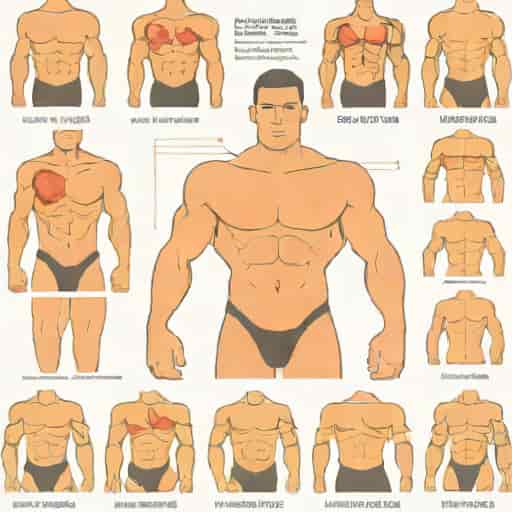
The superficial body musculature plays a major role in how we move, stand, and interact with the world. These muscles lie just beneath the skin and are responsible for many visible movements, such as lifting the arms, rotating the torso, and maintaining posture. Understanding the overview of the superficial body musculature can help anyone from fitness enthusiasts to students gain a clearer picture of how the human body operates. These muscles are also vital in physical training, rehabilitation, and general wellness, making them an essential area of knowledge for many people.
General Structure of Superficial Body Musculature
The superficial muscle layer covers most areas of the body and usually attaches near the skin, giving the human form its shape and contour. These muscles often work in coordination with deeper muscle layers to support motion and stability. While deeper muscles tend to control fine movements or structural support, superficial muscles are more involved in larger, more visible actions.
Most of these muscles are paired symmetrically on both sides of the body, allowing for balanced movement. Their size, shape, and flexibility can vary depending on factors like physical activity, genetics, and overall health.
Superficial Muscles of the Head and Neck
Key Muscles in Facial Expression
The superficial muscles of the face allow us to express emotions. Although small, they are numerous and highly coordinated. Some of the most important include
-
FrontalisLifts the eyebrows and wrinkles the forehead.
-
Orbicularis oculiEnables blinking and closing the eyes.
-
Orbicularis orisControls movements of the mouth and lips.
-
Zygomaticus majorHelps produce a smile by pulling the mouth upward.
Superficial Neck Muscles
The neck muscles influence head rotation, posture, and swallowing. The most recognizable is the sternocleidomastoid, which can be felt along the sides of the neck. It allows the head to turn from side to side and tilt forward. The platysma is another thin, superficial muscle that runs along the front of the neck and assists in lowering the jaw.
Muscles of the Shoulder and Chest
Pectoralis Major
The pectoralis major is one of the most well-known superficial muscles. It covers much of the upper chest and plays a major role in arm movement, including lifting, rotating, and bringing the arms toward the body. This muscle contributes greatly to upper body strength and stability.
Deltoid
The deltoid forms the rounded contour of the shoulder. It contains three main parts anterior, lateral, and posterior each responsible for different types of arm lifts. Strong deltoids improve overhead movements and shoulder strength.
Superficial Back Musculature
The back contains some of the largest superficial muscles in the body. These muscles support posture, shoulder movement, and trunk stability.
Trapezius
Covering the upper back and extending from the neck to the middle of the spine, the trapezius helps with shoulder elevation, retraction, and neck movement. It plays a vital role in maintaining good posture and supporting the shoulders.
Latissimus Dorsi
The latissimus dorsi, commonly called the lats, are wide muscles that span the lower back. They assist with pulling movements, such as rowing or climbing, and help stabilize the spine.
Rhomboids and Other Supportive Muscles
Although somewhat deeper, the rhomboids still contribute to the general superficial structure by assisting the trapezius in pulling the shoulder blades together. Their function is essential for upper back alignment.
Muscles of the Arms and Forearms
The superficial arm muscles contribute to lifting, pushing, pulling, and fine motor control. These muscles also influence the shape and tone of the upper limbs.
Biceps Brachii
Located at the front of the upper arm, the biceps are responsible for elbow flexion and forearm rotation. Their shape is easily noticeable and often associated with overall arm strength.
Triceps Brachii
The triceps, found at the back of the upper arm, extend the elbow joint. They are especially important in pushing movements and contribute significantly to upper body power.
Forearm Muscles
The superficial forearm musculature includes muscles responsible for wrist movement, finger extension, and grip strength. Some of the key muscles include the brachioradialis, flexor carpi radialis, and extensor digitorum.
Muscles of the Abdomen and Torso
These muscles protect internal organs, support breathing, and stabilize the spine. They also contribute to twisting, bending, and maintaining posture.
Rectus Abdominis
Known commonly as the abs, the rectus abdominis is a paired muscle running vertically along the front of the abdomen. It assists in bending the torso forward, supporting posture, and stabilizing the core.
External Obliques
These muscles are located on the sides of the abdomen. They allow for twisting motions and help maintain trunk stability. Strong obliques improve balance and reduce the risk of back injury.
Serratus Anterior
Visible along the rib cage, the serratus anterior supports shoulder control and helps stabilize the scapula. It is essential in movements involving pushing or lifting the arms above the head.
Superficial Muscles of the Hips and Thighs
The hip and thigh muscles carry much of the body’s weight. They enable walking, running, jumping, and general mobility.
Gluteus Maximus
This large and powerful muscle forms much of the shape of the buttocks. It is responsible for hip extension and stability. Strong glutes help improve posture, reduce back strain, and enhance athletic performance.
Quadriceps Group
The quadriceps include four major muscles rectus femoris, vastus lateralis, vastus medialis, and vastus intermedius. These muscles extend the knee and are essential for standing, walking, and climbing.
Tensor Fasciae Latae
This small but important muscle assists with hip stability and works with the iliotibial band to support balance and leg alignment.
Superficial Muscles of the Lower Leg
The lower leg muscles support standing, walking, running, and balance. They also control foot movements.
Gastrocnemius
The gastrocnemius forms the bulk of the calf and helps with bending the knee and pushing the foot downward. It plays a major role in movements like sprinting and jumping.
Soleus
Located beneath the gastrocnemius, the soleus is still considered part of the superficial layer because of its close connection. It helps maintain posture and allows for slow, controlled movements of the ankle.
Why Understanding Superficial Musculature Matters
Knowing the main muscles of the body helps people make informed choices about exercise, posture correction, and physical activity. It also enhances awareness of how daily movements affect long-term health. For athletes and trainers, understanding these muscles supports better performance. For students in anatomy or healthcare, it provides a strong foundation for deeper learning.
An overview of the superficial body musculature reveals how complex and integrated the human body is. These muscles influence posture, movement, strength, and overall appearance. Whether someone is studying anatomy, working to improve physical fitness, or interested in understanding the body’s mechanics, knowledge of superficial musculature provides valuable insight. By appreciating how these muscles function together, anyone can take meaningful steps toward maintaining a healthier, more balanced body.