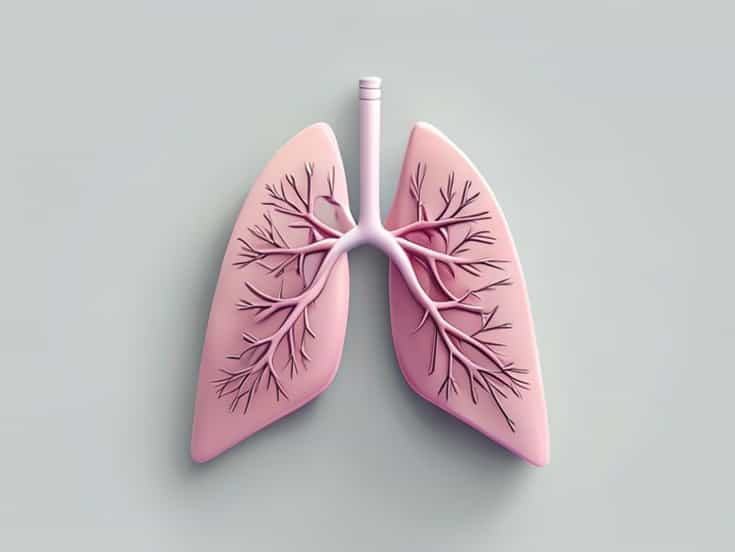
The human body contains many specialized structures that work together to protect organs and allow them to function smoothly. One important but often overlooked structure is the membrane system that lines body cavities and covers internal organs. When students or readers ask, pleurae are examples of which type of membrane, they are usually exploring how the lungs are protected and how movement inside the chest remains friction-free. Understanding pleurae also helps clarify broader concepts in anatomy, especially how membranes support breathing and organ health.
Understanding What Pleurae Are
The pleurae are thin layers of tissue associated with the lungs. Each lung is surrounded by a pleural membrane, which plays a crucial role in respiration. These membranes do not help with gas exchange directly, but they support lung movement and reduce friction during breathing.
The term pleura refers to the membrane itself, while pleurae is the plural form. These membranes form a protective and functional lining inside the thoracic cavity.
The Type of Membrane the Pleurae Belong To
Pleurae are examples of serous membranes. Serous membranes are a specific type of membrane found in closed body cavities that do not open directly to the outside environment.
Serous membranes secrete a thin, watery fluid called serous fluid. This fluid allows organs to slide smoothly against each other and against cavity walls during movement.
What Are Serous Membranes
Serous membranes are composed of a thin layer of connective tissue covered by simple squamous epithelium. They are designed to reduce friction and protect organs that move regularly.
In addition to the pleurae, other examples of serous membranes include the pericardium around the heart and the peritoneum in the abdominal cavity.
Main Characteristics of Serous Membranes
- Line closed internal body cavities
- Cover organs within those cavities
- Produce serous fluid to reduce friction
The Two Layers of the Pleurae
The pleurae consist of two main layers that work together. Each layer has a specific location and function within the chest.
Visceral Pleura
The visceral pleura directly covers the surface of the lungs. It follows the contours of the lung tissue and is tightly attached.
This layer helps protect the lungs and allows them to expand and contract smoothly during breathing.
Parietal Pleura
The parietal pleura lines the inner wall of the thoracic cavity. It is attached to the chest wall, diaphragm, and mediastinum.
Between the visceral and parietal pleura is a small space known as the pleural cavity.
The Pleural Cavity and Serous Fluid
The pleural cavity is not an empty space but a potential space containing a small amount of serous fluid. This fluid is essential for normal breathing.
Serous fluid reduces friction and also creates surface tension that helps keep the lungs expanded against the chest wall.
Why Serous Membranes Are Important for Breathing
Breathing involves constant movement of the lungs as they inflate and deflate. Without serous membranes like the pleurae, this movement would cause friction and irritation.
The pleurae allow the lungs to glide effortlessly within the chest cavity, making respiration efficient and comfortable.
Comparison With Other Types of Membranes
To better understand why pleurae are classified as serous membranes, it helps to compare them with other membrane types found in the body.
Mucous Membranes
Mucous membranes line cavities that open to the exterior, such as the respiratory tract and digestive tract. They produce mucus rather than serous fluid.
Unlike pleurae, mucous membranes are exposed to the external environment.
Cutaneous Membrane
The cutaneous membrane is the skin. It covers the body surface and protects against environmental damage.
This membrane is much thicker than serous membranes and serves a different protective role.
Synovial Membranes
Synovial membranes line joint cavities and produce synovial fluid. While they reduce friction like serous membranes, they are structurally and functionally distinct.
How Pleurae Develop and Maintain Structure
Pleurae develop early during embryonic growth as part of the body cavity lining. Their thin structure is maintained through a balance of fluid production and absorption.
Healthy pleural membranes remain smooth and flexible, adapting to the constant motion of breathing.
Medical Importance of the Pleurae
Because pleurae are serous membranes, they can be affected by conditions that involve inflammation or fluid imbalance.
Pleuritis, also known as pleurisy, occurs when the pleurae become inflamed, often causing sharp chest pain during breathing.
Fluid Disorders of the Pleural Space
When excess fluid accumulates in the pleural cavity, it is known as a pleural effusion. This condition can interfere with normal lung expansion.
Understanding that pleurae are serous membranes helps explain why fluid balance is so important for lung function.
Role of Pleurae in Lung Protection
Beyond reducing friction, pleurae help protect the lungs from mechanical damage. The fluid-filled space acts as a cushion during movement.
This protection is especially important during physical activity when breathing becomes deeper and more rapid.
Pleurae in Anatomy Education
The question pleurae are examples of which type of membrane is common in anatomy and physiology courses. It tests understanding of membrane classification and function.
Recognizing pleurae as serous membranes helps students connect structure to function within the respiratory system.
Relationship Between Pleurae and Other Serous Membranes
The pleurae share many features with other serous membranes in the body. All consist of a visceral and parietal layer and produce lubricating fluid.
This consistent design shows how the body uses similar solutions for different organ systems.
Why Thinness Matters in Serous Membranes
The thin structure of pleurae allows for rapid diffusion of fluids and efficient movement. Thick membranes would limit flexibility and responsiveness.
This thinness is a defining feature of serous membranes and supports their specialized role.
Evolutionary Advantage of Serous Membranes
From an evolutionary perspective, serous membranes provide an efficient way to protect moving organs without restricting motion.
The pleurae are an example of how simple structures can offer significant functional benefits.
Common Misunderstandings About Pleurae
Some people assume pleurae are part of the lungs themselves, but they are actually membranes surrounding the lungs.
Clarifying that pleurae are serous membranes helps prevent confusion between lung tissue and protective structures.
Summary of Why Pleurae Are Serous Membranes
Pleurae meet all the defining characteristics of serous membranes. They line a closed cavity, cover organs, and secrete lubricating fluid.
These features allow the lungs to move efficiently and remain protected.
Pleurae and Membrane Types
So, pleurae are examples of which type of membrane? They are serous membranes, specifically designed to support and protect the lungs during constant movement.
By understanding pleurae in this context, it becomes easier to appreciate how the body uses specialized membranes to maintain comfort, efficiency, and organ health throughout everyday functions like breathing.