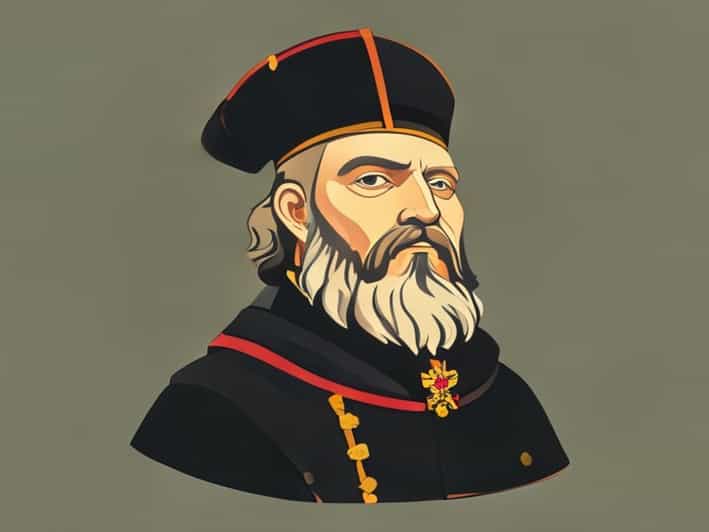
In the turbulent religious and political landscape of Tudor England, few appointments were as significant or controversial as the moment when Thomas Cromwell was made Vicegerent in Spirituals. This role placed an unprecedented amount of religious authority in the hands of a layman and reshaped the relationship between church and state. Understanding when Cromwell received this title, and why it mattered, helps explain how England moved away from papal authority and toward a new national church under royal control. The story is not just about a date, but about power, reform, and the transformation of English society.
The Historical Background of Tudor England
To understand when Cromwell was made Vicegerent in Spirituals, it is essential to grasp the broader context of early 16th-century England. King Henry VIII ruled a kingdom that was officially Roman Catholic, with the Pope recognized as the supreme spiritual authority. However, tensions between the English crown and the papacy had been growing, particularly over issues of royal authority and succession.
Henry VIII’s desire to annul his marriage to Catherine of Aragon became the catalyst for a series of religious and political changes. When the Pope refused to grant the annulment, Henry began asserting control over the English Church, setting the stage for the English Reformation.
Who Was Thomas Cromwell
Thomas Cromwell was not born into nobility. He rose from relatively humble origins to become one of the most powerful figures in England. His intelligence, administrative skill, and loyalty to Henry VIII earned him rapid promotion.
Cromwell served as a key advisor to the king, helping him navigate legal, financial, and religious reforms. His ability to translate royal wishes into effective legislation made him indispensable during a period of radical change.
The Meaning of Vicegerent in Spirituals
The title Vicegerent in Spirituals was extraordinary. It meant that Cromwell acted as the king’s representative in all religious matters. In effect, he was the highest authority in the English Church after the monarch himself.
This role allowed Cromwell to oversee bishops, monasteries, and church courts, despite not being a clergyman. The appointment symbolized the supremacy of the crown over the church and marked a decisive break from traditional ecclesiastical hierarchy.
When Cromwell Was Made Vicegerent in Spirituals
Thomas Cromwell was made Vicegerent in Spirituals in the year 1535. This appointment came after the Act of Supremacy in 1534, which declared Henry VIII the Supreme Head of the Church of England.
By 1535, Henry needed a trusted official to enforce royal supremacy and implement religious reforms across the country. Cromwell’s appointment gave him the legal authority to act in the king’s name on all spiritual matters.
Why the Year 1535 Was Crucial
The timing of Cromwell’s appointment was not accidental. England was in the early stages of religious transformation, and resistance to royal authority remained strong among clergy and traditionalists.
By appointing Cromwell as Vicegerent in Spirituals in 1535, Henry ensured that reforms could be enforced swiftly and consistently, without interference from Rome.
Powers and Responsibilities of the Vicegerent
As Vicegerent in Spirituals, Cromwell wielded immense power. His responsibilities went far beyond advisory duties.
-
Supervising bishops and senior clergy
-
Enforcing royal injunctions in churches and monasteries
-
Overseeing doctrinal changes and religious policy
-
Leading visitations of religious institutions
This authority allowed Cromwell to reshape English religious life at every level.
The Dissolution of the Monasteries
One of the most significant outcomes of Cromwell’s role as Vicegerent in Spirituals was the Dissolution of the Monasteries. Beginning shortly after his appointment, Cromwell organized inspections of monasteries across England.
These visitations reported corruption, mismanagement, and moral failings, which were used to justify the closure of religious houses. Their lands and wealth were transferred to the crown, dramatically increasing royal revenue and altering the social landscape.
Religious Reforms Under Cromwell
Cromwell’s tenure as Vicegerent in Spirituals also brought doctrinal and liturgical changes. English Bibles were promoted, sermons were regulated, and traditional practices were questioned.
Although England did not become fully Protestant during Cromwell’s lifetime, his reforms weakened Catholic structures and introduced ideas associated with the Reformation.
Balancing Reform and Royal Control
Cromwell’s reforms were not driven purely by religious ideology. They were closely aligned with Henry VIII’s desire for control and stability.
The Vicegerent role allowed Cromwell to enforce obedience while cautiously introducing changes that supported royal supremacy without provoking widespread rebellion.
Public Reaction to Cromwell’s Appointment
Not everyone welcomed Cromwell’s rise to spiritual authority. Many clergy resented being overseen by a layman, and conservative believers viewed the changes with suspicion.
Resistance occasionally turned violent, most notably in the Pilgrimage of Grace in 1536, a major uprising against religious reforms and the dissolution of monasteries.
Political Risks of the Vicegerent Role
While the position of Vicegerent in Spirituals gave Cromwell great power, it also exposed him to danger. Every unpopular reform and religious conflict was associated with his name.
As political alliances shifted and Henry’s priorities changed, Cromwell’s enemies gained influence, ultimately leading to his downfall.
The End of Cromwell’s Career
Despite his achievements, Cromwell’s power did not last. In 1540, he was arrested and later executed on charges of treason and heresy.
His fall demonstrated the precarious nature of power at the Tudor court, where royal favor could change rapidly.
Why Cromwell’s Appointment Still Matters
The appointment of Thomas Cromwell as Vicegerent in Spirituals in 1535 marked a turning point in English history. It established the principle that the monarchy held ultimate authority over religious affairs.
This shift laid the groundwork for the Church of England and influenced the development of the modern British state.
Legacy of the Vicegerent in Spirituals
Cromwell’s role set a precedent for centralized administration and state control over religion. His reforms reshaped land ownership, education, and governance.
Even after his death, the structures he created continued to influence English religious and political life.
Thomas Cromwell was made Vicegerent in Spirituals in 1535, at a moment when England stood at the crossroads of tradition and reform. This appointment gave him unparalleled authority over the church and enabled the rapid transformation of religious institutions. While his career ended tragically, Cromwell’s influence on English history remains profound. His role as Vicegerent in Spirituals symbolized the rise of royal supremacy and permanently changed the relationship between church and state in England.