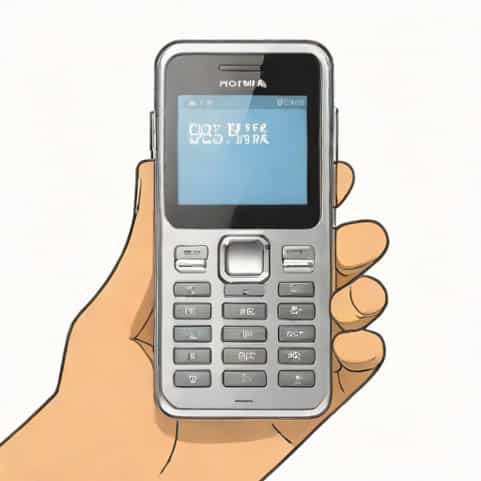
Before smartphones became powerful pocket computers, mobile phones were defined by smaller innovations that felt revolutionary at the time. One of those moments was the introduction of polyphonic ringtones. For many users, this feature transformed how a phone felt, sounded, and expressed personal style. When people search for the Nokia first polyphonic phone, they are often looking back at a key milestone in mobile phone history, a time when Nokia dominated the global market and set trends that competitors quickly followed.
The Mobile Phone Era Before Polyphonic Sound
In the late 1990s and early 2000s, most mobile phones used monophonic ringtones. These ringtones played only one note at a time, creating simple beeping melodies. While recognizable, they were limited in complexity and musical richness. Users could identify a call, but there was little emotional or aesthetic appeal in the sound.
Limitations of Monophonic Ringtones
Monophonic tones relied on basic sound chips that could not handle multiple notes simultaneously. This meant that even popular songs sounded flat and mechanical. As phones became more personal devices, manufacturers started looking for ways to improve the user experience, and sound was an obvious place to innovate.
What Are Polyphonic Ringtones?
Polyphonic ringtones allow multiple musical notes to be played at the same time. This creates richer, more realistic melodies that resemble actual music rather than simple beeps. Polyphonic sound brought harmony, depth, and variation, making ringtones more enjoyable and customizable.
Why Polyphonic Sound Mattered
- More realistic musical playback
- Better representation of popular songs
- Increased personalization for users
- A more premium feel for mobile phones
Nokia’s Role in Mobile Innovation
Nokia was one of the most influential mobile phone manufacturers of its time. Known for durability, long battery life, and user-friendly design, Nokia also pushed technological boundaries. Sound technology was no exception. The company recognized that ringtones were becoming part of personal identity.
Nokia’s Design Philosophy
Nokia focused on features that improved everyday use rather than flashy concepts. Polyphonic ringtones fit perfectly into this philosophy, offering a noticeable improvement without complicating the user experience.
The Nokia First Polyphonic Phone
The Nokia 3510 is widely recognized as Nokia’s first phone to feature polyphonic ringtones. Released in 2002, it marked a turning point in how mobile phones sounded. The Nokia 3510 supported polyphonic tones using MIDI technology, allowing multiple instruments to play together.
Why the Nokia 3510 Was Important
The Nokia 3510 was not a high-end flagship device, but it introduced advanced sound features to a broader audience. This made polyphonic ringtones accessible to many users for the first time.
- Introduced polyphonic MIDI ringtones
- Targeted mainstream consumers
- Set a new standard for ringtone quality
Technical Aspects of Nokia’s Polyphonic Sound
The polyphonic ringtones on early Nokia phones were based on MIDI files rather than recorded audio. MIDI files store musical instructions instead of sound recordings, making them lightweight and suitable for limited phone memory.
How MIDI Polyphonic Ringtones Worked
The phone’s sound chip interpreted MIDI data and generated sound in real time. This allowed multiple notes and instruments to play simultaneously, creating richer melodies than monophonic tones.
User Experience and Public Reaction
For many users, hearing a polyphonic ringtone for the first time was exciting. Phones suddenly sounded modern and musical. People could recognize songs more easily, and ringtones became a form of self-expression.
Changing How People Used Ringtones
- Users began downloading and sharing ringtones
- Custom ringtones became status symbols
- Music and pop culture influenced phone personalization
Impact on the Mobile Industry
The introduction of the Nokia first polyphonic phone had a ripple effect across the industry. Competitors quickly adopted similar technology, and polyphonic sound became a standard feature within a few years.
Industry-Wide Changes
Once polyphonic ringtones proved popular, manufacturers invested more in audio hardware. This eventually led to true audio playback, MP3 ringtones, and later full music players on phones.
From Polyphonic to Real Music
Polyphonic ringtones were an important step between basic tones and real audio files. They showed that users cared about sound quality and personalization, encouraging further innovation.
Evolution of Mobile Sound
- Monophonic tones
- Polyphonic MIDI ringtones
- MP3 and audio ringtones
- Streaming music and high-quality speakers
Nokia’s Legacy in Sound Innovation
Nokia continued to improve audio features in later models, including better speakers and support for real audio files. While the company eventually lost market dominance, its influence on mobile design remains significant.
Why the First Polyphonic Phone Still Matters
The Nokia first polyphonic phone represents a moment when small technological changes had a big emotional impact. It reminds users of a time when innovation felt tangible and exciting.
Why People Still Search for This Topic
Interest in early mobile phones has grown as technology evolves rapidly. Many people feel nostalgic about the devices that shaped their early digital lives. Searching for the Nokia first polyphonic phone is often about remembering that sense of discovery.
Nostalgia and Technology History
Understanding these milestones helps people appreciate how far mobile technology has come. It also highlights how user experience, not just hardware power, drives innovation.
The Cultural Significance of Polyphonic Ringtones
Polyphonic ringtones influenced pop culture in subtle ways. Music charts, television shows, and advertising all played a role in ringtone popularity. Phones became more than communication tools; they became personal soundtracks.
Everyday Life Changes
- Recognizing friends by their ringtone
- Public spaces filled with musical alerts
- Ringtones reflecting personality and taste
Looking Back at Nokia’s Innovation Era
The early 2000s were a golden era for Nokia, defined by reliability and meaningful innovation. The first polyphonic phone may seem simple today, but at the time it represented progress and creativity.
the Nokia First Polyphonic Phone
The Nokia first polyphonic phone was more than just a technical upgrade. It changed how people interacted with their devices and how phones fit into daily life. By introducing richer sound and musical expression, Nokia helped shape modern expectations for mobile technology. This milestone remains an important chapter in the story of mobile innovation, reminding us that even small features can leave a lasting legacy.