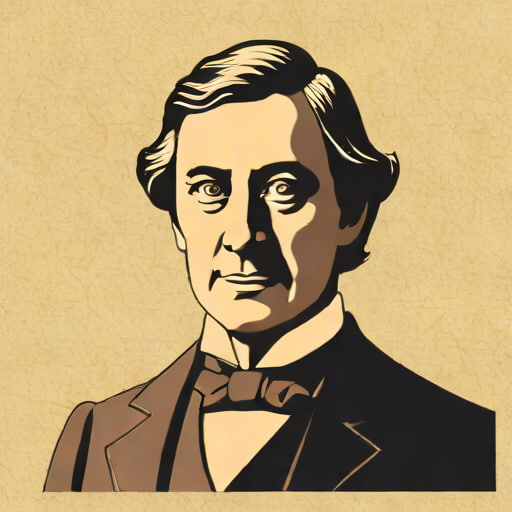
George Orwell, born Eric Arthur Blair in 1903, led a life marked by intellectual curiosity, social awareness, and a deep commitment to truth and justice. His experiences, both personal and professional, profoundly influenced the themes and perspectives found in his literary works. Orwell’s life was shaped by his early education, struggles with poverty, military service, and a keen observation of political and social systems. From his formative years in colonial India to his later life in England, Orwell developed a unique voice that combined literary skill with incisive social critique. Understanding the events, challenges, and influences of Orwell’s life provides valuable insight into the works that continue to resonate with readers around the world.
Early Life and Education
George Orwell was born on June 25, 1903, in Motihari, Bihar, India, where his father, Richard Walmesley Blair, worked in the Indian Civil Service. His mother, Ida Mabel Blair, took care of him and his siblings while moving between India and England. Orwell’s early years were spent in England, where he attended St. Cyprian’s School, a prestigious preparatory school. Although he faced social and economic challenges, he excelled academically and developed a love for reading and writing, laying the foundation for his literary career.
Formative Experiences in England
Orwell’s time at St. Cyprian’s was both formative and difficult. He encountered rigid social hierarchies and experienced feelings of isolation and insecurity. These experiences would later inform his keen awareness of class and social injustice, themes prevalent in his novels and essays. Following preparatory school, Orwell earned a scholarship to Eton College, where he continued his studies and nurtured his interest in literature and political thought. Eton exposed him to a broader intellectual environment and honed his writing abilities, although he struggled with the pressures of elite education.
Life in Burma and Early Career
After finishing school, Orwell joined the Indian Imperial Police in Burma, serving from 1922 to 1927. His experiences as a colonial officer deeply affected his worldview, exposing him to the realities of imperial rule, oppression, and inequality. Disillusioned by the British Empire’s exploitation and authoritarian practices, he resigned from the police service and returned to England to pursue a career in writing. Orwell’s time in Burma inspired his first novel,Burmese Days, which criticized colonialism and explored themes of power and corruption.
Struggles with Poverty and Writing Career
Back in England, Orwell lived among the working class and poor, often experiencing poverty firsthand. He worked various low-paying jobs while dedicating time to writing. His experiences during this period shaped his commitment to social justice and influenced works such asDown and Out in Paris and London. Orwell observed the hardships of the marginalized and developed a strong empathy for the disadvantaged, which became a recurring theme in his essays and novels.
Political Involvement and Spanish Civil War
Orwell’s engagement with political issues intensified during the 1930s, particularly during the Spanish Civil War. In 1936, he traveled to Spain to fight against Franco’s fascist forces, joining a socialist militia. Orwell witnessed firsthand the complexities of political ideologies and the dangers of authoritarianism, both from fascist forces and internal conflicts among leftist groups. His experiences in Spain were chronicled inHomage to Catalonia, where he detailed the realities of war and the betrayal of revolutionary ideals.
Impact on Orwell’s Writing
The Spanish Civil War had a profound impact on Orwell’s perspective. He became increasingly critical of totalitarian regimes and the manipulation of truth by those in power. These experiences laid the groundwork for his later works, includingAnimal Farmand1984, which explore themes of oppression, propaganda, and the abuse of authority. Orwell’s commitment to truth and transparency remained central to his literary mission throughout his career.
Major Literary Achievements
Orwell achieved widespread recognition for his incisive social and political commentary.Animal Farm, published in 1945, satirized the Soviet Union and explored the corruption of revolutionary ideals. The novel’s allegorical style allowed Orwell to critique totalitarianism in a way that was accessible and compelling to readers. Following this,1984was published in 1949, presenting a dystopian vision of a surveillance state where individual freedom is suppressed and truth is manipulated. These works solidified Orwell’s reputation as a powerful voice against tyranny and injustice.
Other Notable Works and Essays
- Down and Out in Paris and London– Chronicled his experiences with poverty and working-class life.
- Burmese Days– Critiqued colonialism and imperialism based on his experiences in Burma.
- Homage to Catalonia– Account of his time in the Spanish Civil War, highlighting the complexities of political ideologies.
- Various essays – Explored issues such as language, politics, and social justice, emphasizing clarity and honesty in writing.
Personal Life and Health Challenges
Orwell married Eileen O’Shaughnessy in 1936, and their relationship provided stability during challenging periods of his life. Orwell struggled with poor health, particularly tuberculosis, which ultimately contributed to his early death at age 46 in 1950. Despite these health challenges, he remained dedicated to his writing and political engagement, producing some of his most influential works in his final years.
Legacy and Influence
George Orwell’s life and work continue to influence literature, politics, and social thought. His commitment to truth, justice, and the critique of authoritarianism remains highly relevant in contemporary discussions about freedom, surveillance, and governance. Orwell’s ability to combine personal experience with sharp social commentary makes his writing both compelling and enduring.
George Orwell’s life was shaped by diverse experiences, from his early education in England and colonial service in Burma to his engagement in political conflicts and struggles with poverty. These experiences informed his literary works, which continue to resonate due to their insightful critique of power, inequality, and injustice. By examining Orwell’s life, readers gain a deeper understanding of the context behind his most famous works and the enduring impact of his commitment to truth, clarity, and social responsibility.
“`