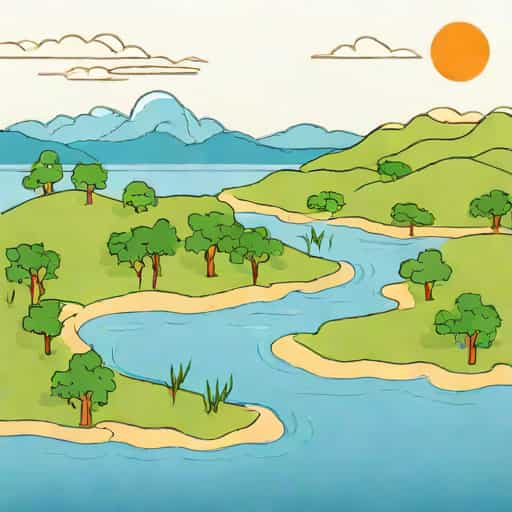
The Ganga Brahmaputra Delta, often referred to as the Sundarbans Delta, is one of the largest and most complex river deltas in the world, located in the northeastern part of the Indian subcontinent. Formed by the convergence of two mighty rivers, the Ganga and the Brahmaputra, along with their numerous tributaries, this delta spans parts of India and Bangladesh. It is characterized by an intricate network of rivers, canals, and estuaries, creating a rich mosaic of fertile lands, wetlands, and mangrove forests. The delta supports a diverse ecosystem and sustains millions of people who rely on its resources for agriculture, fisheries, and livelihoods, making it a critical ecological and economic region in South Asia.
Geographical Extent of the Ganga Brahmaputra Delta
The Ganga Brahmaputra Delta covers approximately 105,000 square kilometers, making it the world’s largest delta. It is bounded by the Himalayas to the north and the Bay of Bengal to the south. The delta extends across the Indian states of West Bengal, Assam, and parts of Bihar, and reaches into southern Bangladesh. Its low-lying terrain is formed by alluvial deposits carried by the Ganga, Brahmaputra, and Meghna rivers over millennia. The region experiences seasonal flooding, influenced by monsoons and snowmelt from the Himalayas, which replenishes soil nutrients and supports agriculture.
Major Rivers and Tributaries
The Ganga and Brahmaputra rivers are the lifelines of the delta, providing water, sediment, and fertile silt that shapes the landscape. Key tributaries of the Ganga include the Hooghly, Jamuna, and Padma, while the Brahmaputra contributes through rivers like the Teesta and Meghna. These rivers divide the delta into numerous distributaries, creating islands, wetlands, and estuarine environments that support both biodiversity and human settlements. Seasonal variations in river flow influence agriculture, navigation, and flood management throughout the delta region.
Ecological Significance
The Ganga Brahmaputra Delta is home to one of the world’s largest mangrove forests, known as the Sundarbans. These forests are characterized by salt-tolerant trees and provide critical habitat for a wide array of wildlife, including the Bengal tiger, estuarine crocodiles, and numerous bird species. The mangroves act as natural buffers against storm surges, cyclones, and coastal erosion, protecting both human settlements and inland ecosystems. Additionally, the delta’s wetlands and estuaries support fish breeding grounds, sustaining local fisheries and maintaining ecological balance.
Biodiversity in the Delta
The delta hosts a rich biodiversity, including endemic and endangered species. Some notable flora and fauna include
- Bengal tiger (Panthera tigris tigris)
- Saltwater crocodile (Crocodylus porosus)
- Fishing cat (Prionailurus viverrinus)
- River dolphins
- Numerous migratory and resident bird species
- Mangrove species like Sundari (Heritiera fomes), Gewa (Excoecaria agallocha), and Goran (Ceriops decandra)
The biodiversity of the Ganga Brahmaputra Delta not only supports ecological stability but also provides economic benefits through fisheries, forestry, and eco-tourism.
Human Settlements and Livelihoods
The delta is densely populated, with millions of people depending on its fertile lands and water resources. Agriculture is the primary occupation, with rice, jute, sugarcane, and vegetables being the main crops. The network of rivers and canals also supports extensive fishing activities, which are vital for local nutrition and economy. Many communities engage in aquaculture and small-scale trade along river routes, benefiting from the delta’s rich natural resources. Traditional practices and cultural heritage in these areas are closely tied to the rivers and mangrove ecosystems.
Challenges for Inhabitants
Living in the delta presents several challenges. Seasonal floods, cyclones, and riverbank erosion pose significant threats to settlements and agriculture. Climate change exacerbates these risks through rising sea levels, increased storm intensity, and salinity intrusion, which impacts freshwater availability and soil fertility. Infrastructure development and urbanization also put pressure on natural ecosystems, necessitating careful management to balance human needs with environmental conservation.
Economic Importance
The Ganga Brahmaputra Delta plays a critical role in the economy of both India and Bangladesh. Its fertile alluvial soils support large-scale agriculture, making it a key contributor to regional food security. Fisheries provide income and employment for millions of people, while mangrove forests support timber, honey production, and eco-tourism. Ports and waterways in the delta facilitate transportation and trade, connecting inland regions with the Bay of Bengal and international markets. The delta’s economic value is closely linked to the sustainability of its ecosystems, emphasizing the need for integrated resource management.
Agriculture and Fisheries
- Rice cultivation dominates the agricultural landscape due to the fertile alluvial soil and ample water supply.
- Jute, sugarcane, and vegetables are important cash crops supporting local economies.
- Fish farming and river fishing contribute to food security and employment.
- Seasonal floods enhance soil fertility, increasing agricultural productivity.
Environmental Concerns
The Ganga Brahmaputra Delta faces several environmental challenges. Deforestation, pollution, and overfishing threaten the health of mangrove forests and river ecosystems. Climate change-induced sea-level rise and increased frequency of cyclones put pressure on both human settlements and wildlife. Salinity intrusion from seawater affects freshwater availability and soil quality, impacting agriculture and drinking water supplies. Coordinated efforts in conservation, sustainable development, and disaster management are crucial to preserving the delta’s ecological integrity and ensuring the well-being of its inhabitants.
Conservation Efforts
Several measures are being implemented to protect the Ganga Brahmaputra Delta
- Establishment of protected areas and wildlife reserves, including the Sundarbans National Park
- Mangrove restoration and afforestation programs
- Community-based management of fisheries and natural resources
- Disaster preparedness and flood control infrastructure
- Environmental education and awareness campaigns for local communities
These efforts aim to maintain biodiversity, protect livelihoods, and enhance resilience against natural disasters.
Tourism and Cultural Significance
The Ganga Brahmaputra Delta attracts tourists due to its unique ecosystems, wildlife, and cultural heritage. Eco-tourism in the Sundarbans allows visitors to explore mangrove forests, observe Bengal tigers, and experience local traditions. Festivals and cultural practices in deltaic communities often revolve around river cycles and agricultural seasons, reflecting a deep connection between people and the environment. Tourism provides additional income for local communities while promoting awareness of conservation issues.
Popular Tourist Activities
- Boat tours through mangrove forests and river channels
- Wildlife observation, particularly for tigers and bird species
- Visiting fishing villages and experiencing traditional livelihoods
- Exploring cultural festivals linked to rivers and agriculture
- Nature photography and eco-friendly trekking
The Ganga Brahmaputra Delta is a vital ecological, economic, and cultural region in South Asia. Its extensive network of rivers, fertile soils, and mangrove forests supports biodiversity, agriculture, fisheries, and human settlements. Despite facing environmental challenges such as climate change, pollution, and natural disasters, the delta continues to sustain millions of people and maintain its ecological richness. Conservation efforts, sustainable management practices, and community involvement are essential to preserving this unique landscape for future generations. Understanding the delta’s importance highlights the need for balance between development and environmental stewardship, ensuring that the Ganga Brahmaputra Delta remains a source of life, livelihood, and natural beauty.