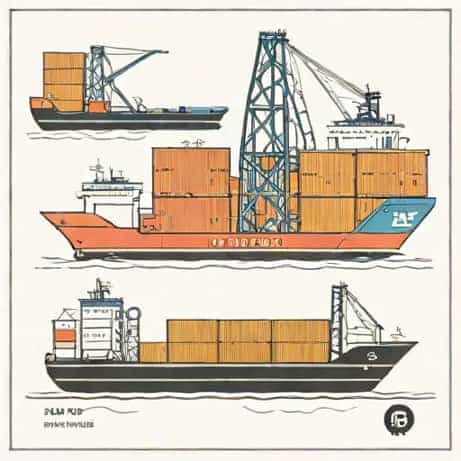
Transshipment, the practice of transferring fish or seafood from one vessel to another at sea or in port, plays a significant role in the global fishing industry. While it offers operational flexibility, efficiency, and logistical advantages, it can also present challenges related to fisheries management, monitoring, and sustainability. To address these issues, the Food and Agriculture Organization (FAO) has developed Voluntary Guidelines for Transshipment. These guidelines aim to promote responsible, transparent, and sustainable transshipment practices, ensuring that fisheries resources are managed effectively, illegal fishing is minimized, and marine ecosystems are protected. Understanding and implementing these guidelines is essential for governments, fisheries operators, and stakeholders to foster accountability and long-term sustainability in the fishing sector.
Overview of FAO Voluntary Guidelines for Transshipment
The FAO Voluntary Guidelines for Transshipment provide a framework for countries and fisheries stakeholders to regulate and manage transshipment activities. They emphasize transparency, compliance with international laws, and the promotion of sustainable fishing practices. While the guidelines are not legally binding, they serve as an authoritative reference for policymakers, vessel operators, and monitoring organizations, helping to align national regulations with global best practices. By following these guidelines, fisheries can enhance monitoring, control, and surveillance (MCS) systems, reduce the risk of illegal, unreported, and unregulated (IUU) fishing, and maintain the integrity of seafood supply chains.
Main Objectives
- Ensure sustainable management of fisheries resources through responsible transshipment practices.
- Promote transparency and traceability in seafood supply chains.
- Strengthen monitoring, control, and surveillance of transshipment operations.
- Reduce the incidence of illegal, unreported, and unregulated fishing.
- Facilitate international cooperation and compliance with applicable regulations.
Scope and Applicability
The guidelines apply to all types of transshipment, including at-sea and in-port transfers, covering a wide range of species, vessel types, and fishing operations. They are relevant for both domestic and foreign-flagged vessels and apply across large-scale commercial fisheries as well as smaller artisanal operations. By addressing the entire transshipment process, from reporting and documentation to inspection and enforcement, the guidelines help stakeholders manage risks, protect marine biodiversity, and ensure that fisheries operations contribute to sustainable development goals.
Key Areas Covered
- Operational procedures for safe and efficient transshipment.
- Documentation and reporting requirements to ensure traceability.
- Roles and responsibilities of flag states, port states, and regional fisheries management organizations (RFMOs).
- Risk assessment and mitigation strategies to prevent illegal activities.
- Use of technology, including vessel monitoring systems (VMS) and electronic logbooks.
Responsible Transshipment Practices
Responsible transshipment involves adhering to operational standards that minimize environmental and social impacts while ensuring compliance with fisheries management measures. The FAO guidelines recommend implementing procedures for pre-notification, inspection, and verification to enhance accountability. Vessel operators are encouraged to maintain accurate records, report all transshipment activities, and cooperate with monitoring authorities. Responsible practices also include ensuring the safety of crew members, reducing bycatch and waste, and complying with labor and environmental regulations.
Examples of Best Practices
- Pre-notifying authorities before transshipment events, whether at sea or in port.
- Recording the species, quantity, and condition of catch transferred.
- Using observers or electronic monitoring to verify operations.
- Ensuring that transshipment does not occur in prohibited zones or during closures.
- Maintaining accurate logbooks and supply chain documentation for traceability.
Monitoring, Control, and Surveillance (MCS)
Effective monitoring, control, and surveillance are central to the FAO Voluntary Guidelines for Transshipment. MCS systems help detect and prevent illegal activities, improve data collection, and enhance decision-making in fisheries management. Key components include vessel tracking through satellite-based systems, inspection of transshipment events by authorities, and reporting obligations for operators. By integrating technology and human oversight, MCS systems contribute to safer and more sustainable transshipment operations.
MCS Strategies
- Implement vessel monitoring systems (VMS) to track movements and transshipment locations.
- Require electronic logbooks to capture real-time catch and transshipment data.
- Conduct inspections and audits of vessels engaged in transshipment.
- Coordinate information sharing among flag states, port states, and RFMOs.
- Apply risk-based approaches to target high-risk vessels or regions for oversight.
Promoting Traceability and Transparency
Traceability is a cornerstone of sustainable fisheries, enabling authorities to verify the origin, quantity, and legality of seafood products. The FAO guidelines stress that all transshipment activities should be traceable from vessel to port to market. This involves accurate reporting, standardized documentation, and clear chain-of-custody procedures. Transparency not only enhances regulatory compliance but also builds consumer confidence and supports market access for sustainably sourced seafood.
Traceability Measures
- Maintain detailed records of catch origin, species, quantity, and transshipment events.
- Use standardized forms or electronic systems for reporting and verification.
- Ensure that all transshipment events are communicated to competent authorities in a timely manner.
- Integrate traceability data into supply chain management for seafood certification programs.
Challenges and Considerations
Implementing voluntary guidelines can be challenging due to differences in national regulations, resource constraints, and the complexity of transshipment operations. Some vessels operate in remote areas, making monitoring difficult, while others may not have the technology or trained personnel to comply fully. The FAO guidelines encourage capacity building, international cooperation, and technical assistance to overcome these barriers. They also emphasize the need for adaptive management to respond to new risks, emerging practices, and changes in the fisheries sector.
Addressing Challenges
- Invest in technology and training for effective MCS implementation.
- Develop harmonized regulations across regions and RFMOs.
- Engage stakeholders, including fishers, industry groups, and NGOs, in guideline adoption.
- Promote data sharing and transparency to facilitate compliance monitoring.
- Regularly review and update guidelines to reflect evolving best practices.
Benefits of Implementing the Guidelines
Adopting the FAO Voluntary Guidelines for Transshipment provides multiple benefits for governments, fishers, and ecosystems. These benefits include improved compliance with fisheries management measures, reduced illegal fishing, enhanced sustainability of fish stocks, and greater confidence in seafood supply chains. By following the guidelines, stakeholders contribute to global efforts to maintain marine biodiversity, support sustainable livelihoods, and promote responsible fisheries practices. The guidelines also foster international cooperation, creating a level playing field for legal and sustainable fishing operations worldwide.
Key Benefits
- Enhanced sustainability of fisheries and protection of marine ecosystems.
- Reduced risks of illegal, unreported, and unregulated fishing.
- Improved data collection and fisheries management decisions.
- Greater transparency and accountability across the seafood supply chain.
- Strengthened international cooperation and alignment with global best practices.
The FAO Voluntary Guidelines for Transshipment provide a comprehensive framework to ensure that transshipment activities are conducted responsibly, transparently, and sustainably. By focusing on monitoring, control, traceability, and best practices, these guidelines help reduce illegal fishing, protect marine ecosystems, and enhance the management of global fisheries resources. Governments, fisheries operators, and other stakeholders can use the guidelines to improve compliance, promote sustainable practices, and foster international cooperation. Implementing these guidelines not only strengthens the fishing industry but also contributes to the long-term sustainability and resilience of ocean ecosystems, ensuring that fisheries continue to provide food, livelihoods, and economic opportunities for generations to come.