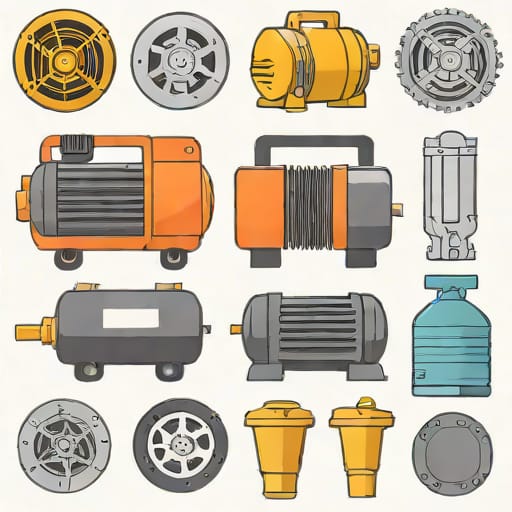
Owning a Craftsman air compressor is a great investment for both professional and DIY projects, providing reliable power for various tools and tasks. However, like any mechanical equipment, it requires regular maintenance and replacement of parts to ensure optimal performance. Understanding the essential parts for Craftsman air compressors can help users troubleshoot issues, perform timely repairs, and extend the lifespan of the unit. From compressors and tanks to valves, gauges, and hoses, each component plays a crucial role in the functioning of the air compressor. This topic will explore the key parts for Craftsman air compressors, their functions, common issues, and tips for maintenance and replacement, offering a comprehensive guide for owners and enthusiasts.
Compressor Pump
The compressor pump is the heart of any Craftsman air compressor. It is responsible for drawing in air and compressing it to generate the required pressure. Most Craftsman compressors use either a single-stage or two-stage pump, depending on the model and capacity. Regular maintenance, such as checking the oil levels in oil-lubricated pumps, is essential to prevent wear and tear. Over time, components like pistons, rings, and cylinder heads may need replacement to maintain efficiency.
Common Issues with Compressor Pumps
- Reduced air pressure due to worn piston rings.
- Overheating caused by insufficient lubrication.
- Unusual noises indicating mechanical wear or misalignment.
Air Tank
The air tank stores compressed air generated by the pump, providing a steady supply of pressure for tools and equipment. Craftsman air compressors come with various tank sizes, typically ranging from 6 to 30 gallons. Proper care of the tank, including regular draining to remove moisture, prevents corrosion and extends its lifespan. Tank safety valves are also important, as they protect against over-pressurization.
Maintaining the Air Tank
- Regularly drain accumulated water to prevent rust and corrosion.
- Inspect for dents, leaks, or damage that may compromise safety.
- Ensure the pressure relief valve is functioning correctly.
Pressure Switch
The pressure switch controls when the air compressor turns on and off based on tank pressure. It maintains the desired pressure range to ensure tools receive a consistent air supply. If the pressure switch malfunctions, the compressor may fail to start or stop at the appropriate pressure levels, leading to inefficient operation or potential safety hazards. Replacing or cleaning the pressure switch can resolve these issues.
Signs of a Faulty Pressure Switch
- Compressor not starting despite low tank pressure.
- Continuous running without reaching cutoff pressure.
- Erratic cycling that affects tool performance.
Regulator and Gauges
Regulators and pressure gauges are crucial parts for Craftsman air compressors, allowing users to control and monitor the air pressure delivered to tools. The regulator adjusts the output pressure, while the gauges display tank pressure and regulated pressure levels. Accurate gauges and a properly functioning regulator ensure that tools operate safely and efficiently.
Common Problems with Regulators and Gauges
- Inaccurate pressure readings due to damaged or clogged gauges.
- Difficulty adjusting pressure because of a faulty regulator.
- Leaks at gauge connections reducing overall compressor efficiency.
Air Hoses and Connectors
Air hoses and connectors transport compressed air from the tank to tools. Craftsman air compressors use a variety of hose types and fittings, including quick-connect couplers. Maintaining hoses and connectors is essential to prevent leaks and ensure consistent air flow. Damaged hoses should be replaced promptly to avoid pressure loss and potential safety issues.
Maintenance Tips for Hoses and Connectors
- Inspect hoses regularly for cracks, wear, or leaks.
- Replace damaged connectors or couplers immediately.
- Use compatible fittings to prevent air leaks and pressure drop.
Motor and Electrical Components
The motor powers the compressor pump, converting electrical energy into mechanical motion. Craftsman air compressors may use induction motors or direct-drive motors, depending on the model. Regular inspection of the motor, electrical wiring, and switches is important to prevent failures. Overheating, electrical shorts, or worn brushes can affect performance and require timely repair or replacement.
Signs of Motor Problems
- Compressor fails to start or experiences frequent shutdowns.
- Strange noises, burning smells, or excessive heat from the motor.
- Fluctuating power that affects pump operation.
Valves and Seals
Valves and seals play a vital role in maintaining the efficiency and safety of Craftsman air compressors. Intake and discharge valves regulate airflow into and out of the pump, while seals prevent air leaks that can reduce pressure. Worn valves and seals are common causes of air loss and reduced compressor performance. Regular inspection and replacement ensure optimal operation and extend the lifespan of the compressor.
Maintenance for Valves and Seals
- Check for air leaks and replace worn seals immediately.
- Clean intake and discharge valves to prevent debris buildup.
- Lubricate moving parts according to manufacturer instructions.
Filters
Air filters prevent dust, debris, and contaminants from entering the compressor pump, protecting internal components and ensuring clean airflow. Craftsman air compressors have replaceable filters that should be inspected and cleaned regularly. Dirty or clogged filters reduce airflow, increase wear on pump components, and can lead to overheating.
Filter Maintenance Tips
- Inspect filters monthly, especially in dusty or workshop environments.
- Replace damaged or excessively dirty filters promptly.
- Follow the manufacturer’s guidelines for filter replacement intervals.
Tips for Maintaining Craftsman Air Compressor Parts
Proper maintenance is essential to extend the life of your Craftsman air compressor and its parts. Routine care reduces downtime, prevents costly repairs, and ensures efficient performance. Here are some general tips
- Regularly check and change pump oil for oil-lubricated models.
- Drain the air tank daily to prevent water accumulation and corrosion.
- Inspect hoses, connectors, and valves for wear and leaks.
- Keep electrical components clean and free from moisture.
- Replace filters and worn parts as needed to maintain airflow and pressure.
Understanding the essential parts for Craftsman air compressors is crucial for ensuring long-term performance and safety. Components such as the compressor pump, air tank, pressure switch, regulator, gauges, hoses, motor, valves, seals, and filters all play integral roles in the operation of the unit. Regular maintenance, timely replacement of worn parts, and proper care can prevent common issues like air leaks, reduced pressure, and mechanical failure. Whether you are a professional using your compressor for demanding tasks or a DIY enthusiast, knowing how to maintain and replace key parts ensures that your Craftsman air compressor remains reliable and efficient for years to come.