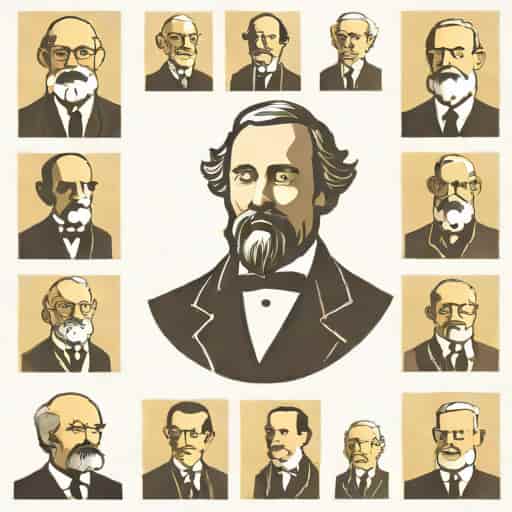
The rich history of Scotland is filled with remarkable individuals who have left an indelible mark on the world. From pioneering scientists and influential writers to courageous military leaders and visionary politicians, Scotland has produced a wealth of talent that continues to inspire generations. A biographical dictionary of eminent Scotsmen provides a detailed account of these extraordinary figures, exploring their lives, achievements, and contributions to society. By documenting the stories of these men, such a dictionary not only celebrates Scottish heritage but also offers readers insight into the cultural, political, and intellectual history of the nation.
The Purpose of a Biographical Dictionary
A biographical dictionary serves as a comprehensive reference that gathers information about notable individuals from a specific region, period, or field. In the case of Scotland, a biographical dictionary of eminent Scotsmen highlights those who have significantly influenced the country’s development. These dictionaries are valuable resources for researchers, students, and history enthusiasts alike, providing detailed accounts of personal lives, career achievements, and historical contexts. They often include birth and death dates, family background, education, professional accomplishments, and notable contributions to society.
Historical Context of Scottish Achievement
Scotland’s contributions to global culture and science are profound. During the Enlightenment, Scottish thinkers, writers, and scientists played a pivotal role in shaping modern thought. Figures like Adam Smith, the father of economics, and James Hutton, the founder of modern geology, emerged from this intellectual period. A biographical dictionary of eminent Scotsmen helps contextualize these achievements by providing detailed narratives of their lives, struggles, and the environments that shaped them. By doing so, it allows readers to appreciate the broader historical and cultural significance of Scottish accomplishments.
Notable Categories of Scotsmen
The eminent Scots included in such dictionaries often fall into several key categories, reflecting the diverse ways in which they influenced society
- Writers and PhilosophersScotland has produced literary giants like Sir Walter Scott, Robert Burns, and David Hume, whose works continue to be celebrated worldwide. Their philosophies, poems, and novels capture the spirit of Scottish identity and contribute to global literary heritage.
- Scientists and InventorsFrom Alexander Fleming, the discoverer of penicillin, to James Clerk Maxwell, whose theories revolutionized physics, Scottish scientists have made groundbreaking contributions that changed the course of human knowledge.
- Political LeadersScotland’s history includes influential political figures who played critical roles both domestically and internationally. Statesmen like William Wallace and Robert the Bruce shaped Scotland’s struggle for independence, while later politicians contributed to the governance of the United Kingdom and beyond.
- Military FiguresScots have historically been recognized for their courage and leadership in military campaigns. Notable generals and soldiers are often celebrated in biographies for their strategic skills and dedication.
- Artists and MusiciansBeyond literature and science, Scotland has nurtured visual artists, composers, and performers whose works have left a lasting legacy.
Importance for Modern Readers
For contemporary readers, a biographical dictionary of eminent Scotsmen serves multiple purposes. It acts as a source of inspiration, showing how individual determination and talent can overcome societal challenges. It also preserves the memory of contributions that might otherwise be forgotten, ensuring that future generations understand the historical roots of Scottish achievement. For educators, it is a vital teaching tool that brings historical figures to life, offering students a tangible connection to the past through detailed narratives and anecdotes.
Structure and Features of the Dictionary
A well-organized biographical dictionary typically presents entries in alphabetical order, making it easy for readers to locate specific individuals. Each entry may include
- Full name and titles
- Dates and places of birth and death
- Education and early influences
- Professional achievements and contributions
- Personal anecdotes and character insights
- References to further reading
Some dictionaries also include thematic indexes, allowing readers to explore figures by profession, historical period, or area of influence. Such organization enhances usability and makes the resource more than just a collection of biographies-it becomes a comprehensive tool for research and education.
Challenges in Compiling Biographical Data
Creating a biographical dictionary of eminent Scotsmen involves careful research and verification of historical records. Editors must reconcile conflicting sources, ensure accuracy in dates and achievements, and provide balanced portrayals of each figure. Additionally, there is the challenge of representation deciding which individuals to include and which achievements are deemed historically significant. Despite these difficulties, the end result offers a valuable repository of Scottish history, culture, and intellectual legacy.
Legacy and Influence
The legacy of a biographical dictionary of eminent Scotsmen extends beyond mere documentation. By chronicling the lives of influential individuals, it fosters national pride and cultural awareness. It also encourages scholarly exploration, prompting new research into lesser-known figures whose contributions may have been overlooked. Libraries, universities, and online platforms often use these dictionaries as foundational references for historical studies and genealogical research, ensuring that the impact of Scotland’s eminent figures continues to resonate worldwide.
A biographical dictionary of eminent Scotsmen is more than a reference book-it is a celebration of Scotland’s rich historical and cultural heritage. By preserving the stories of writers, scientists, politicians, military leaders, and artists, it connects readers to the achievements and struggles of the past. Whether used for academic research, personal interest, or cultural exploration, such a dictionary provides a window into the lives of individuals who shaped Scotland and left a lasting impression on the world. Through their stories, we gain insight into the values, creativity, and determination that define Scottish identity and inspire future generations.