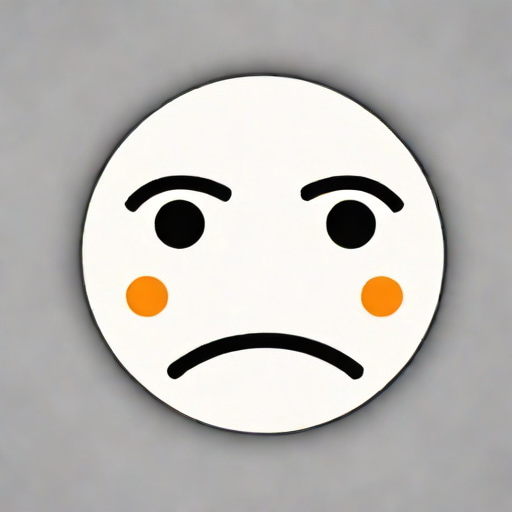
The word frown is a commonly used verb and noun in the English language that conveys a specific facial expression associated with displeasure, concern, confusion, or disapproval. Understanding the meaning of frown is important because it plays a key role in non-verbal communication, allowing individuals to interpret emotions, intentions, and reactions accurately. A frown typically involves the downward movement of the eyebrows and lips, signaling negative emotions or critical judgment. The term is widely used in everyday conversation, literature, psychology, and social interactions. By exploring the literal and figurative meanings of frown, along with its usage, examples, and cultural significance, one can better understand how this simple facial expression communicates complex emotions and attitudes.
Definition of Frown
As a verb, frown means to make a facial expression in which the eyebrows are drawn together and the corners of the mouth are turned downward, typically expressing displeasure, concern, confusion, or disapproval. As a noun, a frown refers to the expression itself. Frowning is a universal human gesture that can convey a wide range of negative or thoughtful emotions without the need for words.
Origin and Etymology
The word frown dates back to Middle English and may have originated from the Old French word froner, meaning to wrinkle the forehead. Over time, it evolved to describe the specific facial expression associated with displeasure or concern. The universality of frowning across cultures highlights its importance in human emotional communication and social interaction.
Physical Characteristics of a Frown
A frown involves distinct facial movements that are easy to recognize and interpret
Eyebrows
The eyebrows are drawn together and often lowered, creating a furrowed or wrinkled appearance on the forehead.
Mouth
The corners of the mouth turn downward, reflecting displeasure or concern. In some cases, the lips may press together tightly.
Eyes
The eyes may narrow or squint slightly, enhancing the intensity of the frown and emphasizing negative emotions.
Literal Uses of Frown
Frown is commonly used to describe the facial expression itself in everyday conversation, literature, and descriptive writing. It helps convey emotions clearly and provides context for understanding human reactions.
Examples of Literal Frown
- She frowned when she saw the messy kitchen.
- The teacher frowned at the students for being late to class.li>
- He frowned in confusion, unsure of how to solve the problem.li>
Figurative and Idiomatic Uses of Frown
In addition to its literal meaning, frown is often used figuratively to describe disapproval or negative attitudes. Common idiomatic expressions involving frown include
Frown Upon
The phrase frown upon means to disapprove of or regard something negatively. It is commonly used in social, professional, and cultural contexts.
- Smoking is frowned upon in many public spaces.
- Lying to friends is generally frowned upon.li>
- Cheating on exams is frowned upon by teachers and students alike.li>
Frown as Metaphor
Frown can also symbolize worry, concern, or critical evaluation beyond the facial expression itself. Writers often use frown metaphorically to indicate tension, judgment, or hesitation
- The frown of uncertainty clouded her thoughts as she made the decision.li>
- A frown of disapproval hung over the committee as they reviewed the proposal.li>
- His frown reflected the weight of the difficult choice he had to make.li>
Emotional and Psychological Significance
Frowning is a critical aspect of non-verbal communication, revealing emotions that might not be expressed verbally. Psychologists and researchers study frowns to understand human emotional states, social interactions, and emotional intelligence. Frowning can indicate negative emotions such as
- Displeasure or annoyance
- Confusion or uncertainty
- Disapproval or criticism
- Concern or worry
Social Perception of Frowns
Frowning affects how others perceive a person’s mood and intentions. People who frown are often perceived as serious, critical, or upset, while a lack of frowning may be interpreted as friendliness or openness. Understanding frown signals is essential for effective communication, conflict resolution, and emotional awareness.
Synonyms and Related Terms
Several words and phrases convey similar meanings or aspects of frown
- Scowl
- Glower
- Furrow one’s brow
- Look displeased
- Disapprove
Common Phrases and Idioms with Frown
Frown is often used in idiomatic expressions to convey social and emotional nuances
- Frown upon – to disapprove or look negatively upon something.
- Turn one’s frown upside down – to change from being unhappy or upset to being happy or cheerful.
- Wear a frown – to appear unhappy, concerned, or displeased.
Examples in Literature and Media
Authors and creators frequently use frown to describe character emotions and set the tone in narratives. It provides visual cues for readers or viewers, enhancing the understanding of character intentions and mood.
- He frowned at the news, unsure how to respond.
- Her frown deepened as the storm approached.li>
- The king frowned upon the actions of his rebellious subjects.li>
Importance of Understanding Frown
Recognizing the meaning and implications of a frown is crucial in both personal and professional contexts. It enables individuals to interpret emotions accurately, respond appropriately in social interactions, and convey non-verbal cues effectively. Understanding frown also aids in literature analysis, emotional intelligence development, and cross-cultural communication.
Frown is a versatile term that describes a facial expression associated with displeasure, concern, confusion, or disapproval. It is both a literal action and a metaphorical representation of negative emotions or critical attitudes. Frowning plays a vital role in non-verbal communication, social perception, and emotional expression, allowing individuals to convey feelings without words. Its figurative use, particularly in phrases like frown upon, extends its significance to social norms, judgment, and cultural understanding. By understanding the nuances of frown, one can communicate more effectively, interpret emotions accurately, and appreciate its role in literature, media, and daily interactions. Recognizing and interpreting frowns enriches emotional awareness, enhances social interactions, and provides insight into human behavior and relationships.