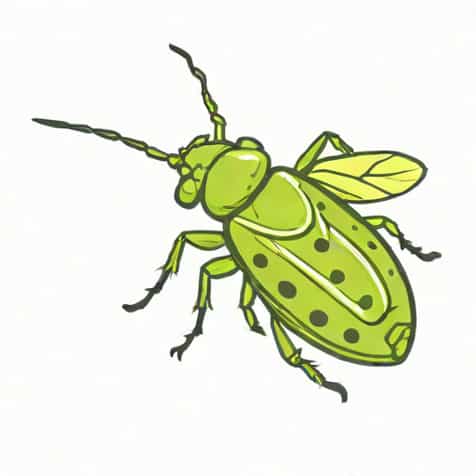
In the world of agriculture, gardening, and ecology, certain insects play a significant role in both the health and the challenges of plant life. One such insect is the aphid, a small yet influential creature that can affect crops, gardens, and natural ecosystems. Understanding the meaning of aphid is important for farmers, gardeners, and anyone interested in plant biology or pest management. Aphids are widely studied due to their rapid reproduction, feeding habits, and potential to transmit plant diseases. This topic explores the definition of aphid, its biology, ecological role, methods of control, and significance in agriculture and the environment, providing a comprehensive overview for readers seeking to understand this common yet impactful insect.
Definition of Aphid
The wordaphidrefers to a small sap-sucking insect belonging to the superfamily Aphidoidea. Aphids are commonly known as plant lice and are characterized by their soft, pear-shaped bodies, long antennae, and small size, typically ranging from 1 to 10 millimeters. Aphids feed primarily on the phloem of plants, extracting nutrients and often causing damage such as stunted growth, leaf curling, yellowing, and reduced yields in agricultural crops. They are considered one of the most destructive groups of insect pests in horticulture and farming due to their rapid reproduction and ability to transmit plant viruses.
Origins and Etymology
The term aphid comes from the Greek word aphis, meaning plant louse. This etymology reflects the close relationship between aphids and plants, as these insects rely entirely on plant sap for nutrition. Over centuries, aphids have been studied by entomologists and agriculturists to understand their biology, impact on crops, and management strategies. The word aphid has become a standard term in agriculture, gardening, and scientific literature when referring to these plant-feeding insects.
Biological Characteristics of Aphids
Aphids possess several distinct biological characteristics that make them unique and, in many cases, problematic for plants. Some key features include
- Soft, pear-shaped bodies that can be green, black, yellow, red, or brown depending on the species.
- Long, slender antennae used for sensing the environment.
- Two small tubes called cornicles protruding from the rear of the body, which can secrete defensive substances.
- Rapid reproduction through both sexual and asexual methods, including parthenogenesis, allowing populations to grow quickly.
These biological traits enable aphids to adapt to various environments and plants, making them resilient pests that are difficult to control without careful management.
Life Cycle and Reproduction
Aphids have a complex life cycle that includes sexual and asexual reproduction, depending on environmental conditions. Key stages of the aphid life cycle include
- Eggs – laid during colder seasons, often on woody plants, to survive harsh conditions.
- Nymphs – young aphids that resemble adults but are smaller and immature.
- Adults – capable of asexual reproduction in favorable conditions, producing live offspring without mating.
The ability to reproduce rapidly, often giving birth to live nymphs without mating, allows aphid populations to increase exponentially in a short period. This rapid growth makes them particularly challenging for farmers and gardeners to manage.
Ecological Role of Aphids
While aphids are often considered pests, they also play a role in ecological systems. Some aspects of their ecological significance include
- Serving as a food source for natural predators such as ladybugs, lacewings, and parasitic wasps.
- Participating in mutualistic relationships with ants, where aphids provide honeydew in exchange for protection.
- Influencing plant population dynamics and community structure through selective feeding.
Understanding the ecological role of aphids helps scientists and gardeners develop balanced pest management strategies that minimize harm to the environment while controlling aphid populations.
Impact on Agriculture
Aphids are particularly notorious in agriculture due to their ability to damage crops and spread plant diseases. Their feeding habits can
- Reduce plant growth and vigor by extracting essential nutrients.
- Cause leaf curling, yellowing, and premature leaf drop.
- Transmit viral diseases, which can further reduce crop yields and quality.
Major crops affected by aphids include wheat, barley, potatoes, soybeans, and various fruits and vegetables. Effective management of aphid populations is essential to maintain crop productivity and ensure food security in many regions.
Control and Management of Aphids
Controlling aphids requires a combination of cultural, biological, and chemical strategies. Common methods include
- Biological control – introducing or encouraging natural predators such as ladybugs, lacewings, and parasitic wasps.
- Cultural practices – rotating crops, removing infested plants, and maintaining healthy soil to reduce aphid populations.
- Chemical control – applying insecticides when infestations reach damaging levels, while considering environmental safety.
- Physical methods – using water sprays to dislodge aphids or applying sticky barriers to prevent infestation.
Integrated pest management combines these strategies to control aphids sustainably while minimizing the impact on beneficial insects and the environment.
Synonyms and Related Terms
Understanding aphids is supported by exploring related terms and concepts
- Plant lice – a common synonym for aphids.
- Hemiptera – the insect order that includes aphids, characterized by piercing-sucking mouthparts.
- Phloem feeders – insects that extract sap from the phloem tissue of plants.
- Vector – some aphids act as vectors for plant viruses.
These terms are frequently used in scientific, agricultural, and gardening contexts when discussing aphids and their impact on plants.
Challenges and Global Significance
Aphids present ongoing challenges for agriculture worldwide. Their rapid reproduction, wide host range, and ability to transmit diseases make them a major concern for farmers and gardeners. Climate change, global trade, and the spread of invasive aphid species further complicate control efforts. Studying aphids and developing effective management strategies are critical for food production, plant health, and sustainable agriculture practices. Research continues to explore resistant plant varieties, environmentally friendly pesticides, and natural predator enhancement as solutions to reduce aphid damage.
In summary, the wordaphidrefers to a small, sap-sucking insect of the superfamily Aphidoidea that feeds on plants and can act as a vector for plant diseases. Aphids are characterized by their soft bodies, rapid reproduction, and ability to adapt to a variety of environments. While they play ecological roles as prey for predators and in mutualistic relationships with ants, their impact on agriculture can be severe, causing damage to crops and reducing yields. Understanding the biology, life cycle, ecological role, and control methods of aphids is essential for gardeners, farmers, and scientists. Effective management strategies, including biological, cultural, and chemical approaches, help reduce aphid populations and protect plants while maintaining environmental balance. Recognizing the meaning and significance of aphids provides insight into the complex interactions between insects, plants, and ecosystems, highlighting the importance of integrated pest management in modern agriculture.