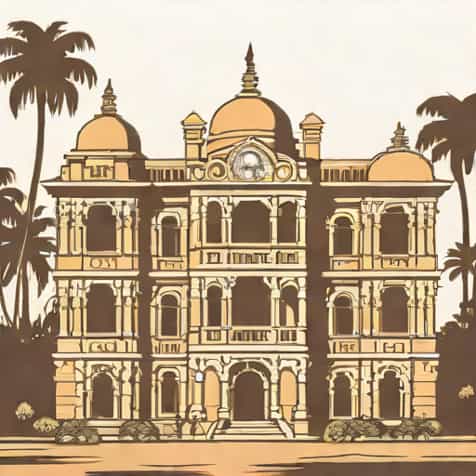
The Viceregal Lodge in Delhi, also known as Rashtrapati Niwas, is a remarkable example of colonial architecture and a significant historical landmark in India. Located in the heart of Delhi, this grand building was constructed during the British Raj and served as the residence of the British Viceroy of India. Today, it stands as a symbol of India’s rich historical and architectural heritage, attracting historians, tourists, and architecture enthusiasts from around the world. The Viceregal Lodge is not only a testament to the grandeur of the colonial era but also a reflection of India’s transition from a colonial state to an independent nation, housing the Indian Institute of Advanced Study in modern times.
Historical Background of the Viceregal Lodge
The Viceregal Lodge was commissioned in the late 19th century, during the period when the British government sought to establish a permanent residence for the Viceroy in the new capital city of Delhi. Construction began in the 1880s and continued for several years, involving skilled architects and craftsmen who blended European styles with Indian elements. The building was strategically located on Raisina Hill, offering a commanding view of the surrounding landscape, which symbolized British authority and prestige. During its early years, the Viceregal Lodge became the epicenter of political and administrative activity in colonial India, hosting official ceremonies, diplomatic meetings, and cultural events.
Architectural Features
The Viceregal Lodge is an exemplary fusion of Gothic, Victorian, and Indian architectural styles, making it a unique structure in the heart of Delhi. The building’s red sandstone exterior, intricately carved wooden doors, and expansive verandas reflect traditional Indian craftsmanship. The pointed arches, steep gables, and tall towers are characteristic of the Gothic revival style, while the layout and interior decoration exhibit elements of Victorian design. The lodge is surrounded by beautifully landscaped gardens that complement the grandeur of the building, featuring fountains, manicured lawns, and a variety of exotic plants. The blend of styles not only represents the colonial aesthetic but also symbolizes the attempt to merge Western and Indian cultural elements during the British era.
Significance in Indian History
The Viceregal Lodge holds immense historical significance, as it was the residence of the Viceroy, the highest representative of the British Crown in India. Important decisions regarding governance, law, and policy were made within its walls. The lodge witnessed crucial events, including discussions on administrative reforms, the implementation of new laws, and interactions with Indian leaders. The building’s role in shaping colonial policy makes it an invaluable resource for historians studying the British Raj and the socio-political dynamics of 19th and early 20th century India. Additionally, the lodge symbolizes the power dynamics of the period, representing both the authority of the British administration and the resistance movements that eventually led to India’s independence.
Transition to Indian Institute of Advanced Study
Following India’s independence in 1947, the Viceregal Lodge underwent a significant transformation. In 1965, it was repurposed to house the Indian Institute of Advanced Study, a premier research institution dedicated to higher education and scholarly research in humanities and social sciences. This transition marked a shift from a colonial administrative center to a hub of intellectual pursuit, reflecting India’s commitment to education, research, and cultural preservation. The building’s historical and architectural significance was preserved, while its function evolved to meet the needs of modern scholarship. Today, the Viceregal Lodge continues to host academic conferences, seminars, and research programs, attracting scholars from across India and around the globe.
Gardens and Surrounding Landscape
The gardens surrounding the Viceregal Lodge are an integral part of its charm and historical value. Designed in the style of European formal gardens, they include geometric pathways, ornamental fountains, and carefully curated plantings. The gardens provide a serene environment for reflection and study, complementing the academic activities of the Indian Institute of Advanced Study. Over the years, the gardens have also become a popular attraction for visitors interested in photography, botanical studies, and leisurely exploration. The careful maintenance of these gardens ensures that the lodge retains its original grandeur and offers a glimpse into the landscaping aesthetics of the colonial period.
Tourism and Cultural Impact
The Viceregal Lodge has emerged as a significant cultural and tourist destination in Delhi. Visitors are drawn to its architectural beauty, historical importance, and serene gardens. Guided tours provide insights into the building’s construction, architectural details, and the lives of the Viceroys who resided there. The lodge is frequently included in heritage walks, educational programs, and cultural festivals, contributing to the awareness and appreciation of India’s colonial history. The preservation of the Viceregal Lodge highlights the importance of maintaining historical monuments as a means of connecting present and past generations.
Preservation Efforts
Efforts to preserve the Viceregal Lodge have been extensive, involving both governmental and institutional support. Restoration projects have focused on maintaining the structural integrity, conserving the intricate carvings and interior decorations, and protecting the surrounding gardens. These initiatives ensure that the building continues to serve its dual role as a center of academic research and a historical landmark. Preservation of the Viceregal Lodge also involves promoting awareness about its historical and architectural significance among students, researchers, and the general public, ensuring that this iconic symbol of Delhi’s heritage is appreciated for generations to come.
Architectural Tours and Educational Programs
The Viceregal Lodge is not only a site for historical appreciation but also a platform for education and research. The Indian Institute of Advanced Study organizes architectural tours, lectures, and workshops that highlight the unique features of the building and its historical context. Students of architecture, history, and cultural studies gain firsthand experience of colonial architectural techniques, design principles, and the integration of Indian craftsmanship. These programs contribute to a broader understanding of India’s architectural legacy and encourage the study of historical preservation techniques.
The Viceregal Lodge in Delhi stands as a remarkable testament to India’s colonial past, architectural ingenuity, and commitment to higher education. From its origins as the residence of the British Viceroy to its current role as the Indian Institute of Advanced Study, the lodge embodies a rich historical narrative that spans centuries. Its architectural splendor, landscaped gardens, and scholarly environment make it a unique destination for historians, architects, students, and tourists alike. Preserving the Viceregal Lodge ensures that future generations can continue to learn from its history, admire its beauty, and appreciate its cultural significance, making it an enduring symbol of Delhi’s heritage.
- Location Raisina Hill, Delhi, India
- Historical Role Residence of the British Viceroy
- Architectural Style Fusion of Gothic, Victorian, and Indian elements
- Current Function Indian Institute of Advanced Study
- Gardens European-style formal gardens with fountains and pathways
- Cultural Impact Tourism, education, and heritage preservation
- Significance Symbol of colonial history, architectural heritage, and academic research