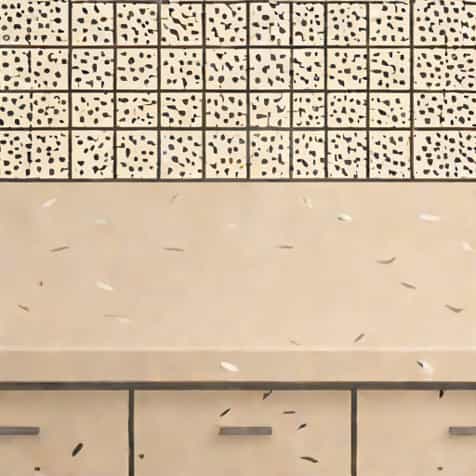
Home design trends are always evolving, but some materials stand the test of time due to their durability, beauty, and unique character. One such material is terrazzo, which has gained renewed popularity in modern interior design. Among its many applications, terrazzo countertops are now a stylish choice for kitchens, bathrooms, and even commercial spaces. Known for their artistic look and strength, terrazzo countertops combine functionality with aesthetics, making them an appealing alternative to more common surfaces like granite or quartz. To fully understand what terrazzo countertops are, it is useful to explore their history, materials, benefits, and how they compare with other options.
What Are Terrazzo Countertops?
Terrazzo countertops are surfaces made from a composite material that includes chips of marble, quartz, granite, glass, or other stones, mixed into a cement or resin binder. Once poured, the surface is cured, ground, and polished to reveal the decorative chips inside, creating a smooth and striking finish. The result is a countertop that is both durable and visually unique, with patterns and colors that can be customized to suit different interior styles.
This technique has origins in ancient Italy, where workers used leftover marble pieces to create affordable but beautiful flooring. Today, the same principle is applied to countertops, producing surfaces that showcase creativity while offering long-lasting strength.
Materials Used in Terrazzo Countertops
The composition of terrazzo countertops is what makes them stand out. Common elements include
- Aggregate Chips– Pieces of marble, granite, quartz, recycled glass, or even metal fragments can be used to create the decorative patterns.
- Binder– Traditionally, cement-based binders are used, but modern terrazzo often relies on epoxy resin binders for added flexibility and durability.
- Pigments– Color can be added to the binder, allowing homeowners to customize the look of the countertop to match their design preferences.
This combination makes terrazzo highly versatile, offering almost limitless design possibilities compared to natural stone surfaces, which have fixed patterns.
The Process of Making Terrazzo Countertops
The creation of terrazzo countertops involves several steps that ensure their durability and polished finish. The process usually includes
- Preparation– A mold or form is prepared to contain the terrazzo mixture.
- Mixing– Aggregate chips are mixed with the chosen binder and pigments.
- Pouring– The mixture is poured into the mold and allowed to cure.
- Grinding and Polishing– Once hardened, the surface is ground down to expose the chips and polished for a smooth, glossy finish.
- Sealing– A protective sealant is applied to enhance durability and protect against stains.
This meticulous process ensures that terrazzo countertops are not only beautiful but also practical for everyday use.
Advantages of Terrazzo Countertops
There are many reasons why terrazzo countertops are becoming increasingly popular. Some of the key advantages include
- Durability– Terrazzo is extremely tough and resistant to scratches, cracks, and heavy wear, making it ideal for high-traffic areas like kitchens.
- Unique Appearance– No two terrazzo countertops are exactly the same, as the arrangement of chips creates one-of-a-kind designs.
- Eco-Friendly– Terrazzo often incorporates recycled materials, making it a sustainable choice for environmentally conscious homeowners.
- Customizable– The wide variety of aggregates and pigments allows endless color and design options.
- Longevity– With proper care, terrazzo countertops can last for decades without losing their charm.
Potential Drawbacks to Consider
Despite their many benefits, terrazzo countertops are not without some limitations. These include
- Cost– Terrazzo countertops can be more expensive than common materials like laminate or tile due to their labor-intensive production process.
- Installation– Professional installation is usually required, as creating terrazzo involves specialized skills and equipment.
- Sealing Needs– Terrazzo must be sealed periodically to protect against stains, especially in busy kitchen environments.
- Cold Feel– Similar to stone, terrazzo can feel cold to the touch, which some people may find less comfortable in certain spaces.
Terrazzo Countertops vs. Other Countertop Materials
When comparing terrazzo countertops with alternatives, several distinctions stand out
- Granite– Granite offers natural beauty but has less customization potential compared to terrazzo.
- Quartz– Quartz countertops are low maintenance and non-porous, while terrazzo requires sealing but provides a more artistic look.
- Marble– Marble is elegant but softer and more prone to scratching, whereas terrazzo is more resilient.
- Concrete– Both terrazzo and concrete offer industrial aesthetics, but terrazzo has a more decorative and colorful appearance.
This makes terrazzo an appealing option for those who want a balance of durability, style, and eco-friendliness.
Design Possibilities with Terrazzo Countertops
One of the most attractive qualities of terrazzo is its design flexibility. Homeowners and designers can experiment with
- Neutral color palettes for minimalist or modern interiors.
- Bright, colorful aggregates to create a bold and playful atmosphere.
- Subtle patterns that complement natural wood, metal, or concrete elements.
- Custom designs that align with brand identity in commercial settings.
This versatility allows terrazzo countertops to fit into almost any aesthetic, from traditional to contemporary spaces.
Maintenance and Care
Maintaining terrazzo countertops is relatively simple but requires consistency. To keep the surface looking its best
- Clean regularly with mild soap and water.
- Avoid harsh chemical cleaners that could damage the sealant.
- Wipe spills immediately to prevent staining, especially from acidic foods like citrus or vinegar.
- Reseal the countertop as recommended by the installer, typically every one to two years.
Following these steps ensures that terrazzo countertops remain vibrant and durable for many years.
Where to Use Terrazzo Countertops
While terrazzo countertops are commonly installed in kitchens, they are also suitable for other areas, including
- Bathrooms– Their resistance to moisture makes them ideal for vanities and sinks.
- Bars and Cafes– The unique designs add character to commercial spaces.
- Outdoor Areas– In some climates, terrazzo can be used outdoors due to its weather-resistant qualities.
This adaptability enhances their value and appeal for both residential and commercial applications.
Terrazzo countertops are a blend of timeless tradition and modern design innovation. With their unique patterns, durability, and eco-friendly qualities, they offer an excellent option for homeowners and designers looking to balance practicality with artistry. While they may require a higher upfront investment and occasional maintenance, the long-term benefits and visual appeal make terrazzo countertops a worthy consideration. Whether in a sleek modern kitchen, a cozy bathroom, or a vibrant commercial space, terrazzo brings personality, strength, and sophistication to any environment, ensuring it remains a lasting trend in interior design.