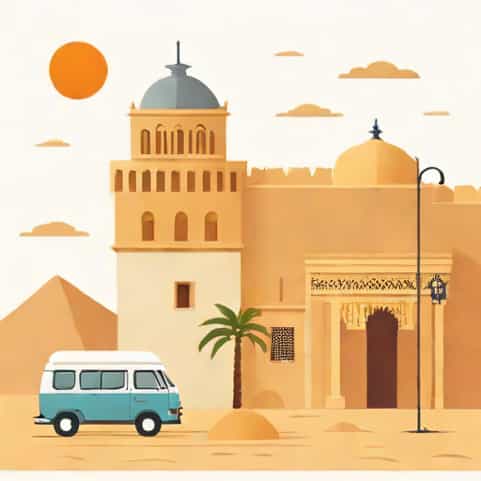
Morocco is often celebrated as a vibrant travel destination with colorful markets, stunning architecture, and diverse landscapes. However, while it offers many attractions, there are also valid reasons why some travelers might reconsider visiting. From cultural differences and safety concerns to environmental challenges and travel logistics, understanding these factors can help individuals make informed decisions about their trips. Evaluating both the positives and negatives ensures a more realistic perspective on what to expect when planning a visit to Morocco.
Cultural and Social Challenges
One reason not to visit Morocco is the potential difficulty in navigating its cultural norms and social expectations. Moroccan society is deeply influenced by Islamic traditions, and while it is generally welcoming to tourists, visitors may encounter cultural practices that differ significantly from their own. For instance, modest dress codes are often expected in public areas, and behavior that might be considered normal in other countries could be seen as disrespectful.
Dress and Behavior Expectations
Travelers who are not prepared to respect local customs regarding clothing may feel uncomfortable or face social disapproval. Women, in particular, might be advised to wear clothing that covers shoulders and knees, especially outside of tourist-centric areas. Additionally, public displays of affection are frowned upon, and understanding these cultural sensitivities is crucial to avoid inadvertently offending locals.
Language Barriers
While French and Arabic are widely spoken, travelers who do not understand these languages might find communication challenging. English is increasingly common in tourist areas, but outside major cities, language barriers can make navigation, shopping, or seeking assistance more difficult. This can lead to frustration or misunderstandings during the trip.
Safety and Health Concerns
Another factor to consider is safety. While Morocco is generally safe for tourists, certain risks exist that might discourage some visitors. Petty crime, such as pickpocketing or scams targeting tourists, can occur, particularly in crowded markets or popular tourist sites. Being vigilant is necessary, but some travelers may prefer destinations with fewer concerns about theft or scams.
Health Risks
Health concerns are another reason to be cautious. Access to high-quality medical facilities may be limited outside major cities, and travelers should be prepared for potential issues such as foodborne illnesses or travel-related infections. It is advisable to take vaccinations seriously, drink bottled water, and exercise caution when consuming street food or raw produce.
Environmental and Climatic Challenges
Morocco’s diverse landscapes are beautiful, but they can also present environmental challenges. The climate varies greatly depending on the region, and extreme heat in desert areas like the Sahara can be overwhelming for unprepared travelers. Summer temperatures can exceed 40°C (104°F), making outdoor activities strenuous or even dangerous.
Pollution and Urban Crowds
Urban centers such as Casablanca and Marrakech often experience high levels of pollution and congestion. Traffic jams, noise, and crowded public spaces can detract from the experience for those seeking a more relaxed vacation. Additionally, navigating bustling markets may be stressful for travelers not accustomed to crowded environments.
Travel Logistics and Accessibility
Travel logistics in Morocco can also be challenging. While major cities are accessible by air, transportation options within the country may require careful planning. Road conditions outside urban areas can be inconsistent, and long-distance travel by bus or train may be time-consuming. Travelers seeking convenience or ease of transportation might find these factors frustrating.
Accommodation Quality
Accommodation options vary widely, and while luxury hotels and resorts are available, budget accommodations may not meet the expectations of all travelers. Issues such as inconsistent cleanliness, limited amenities, or language barriers with staff can impact comfort and overall experience.
Political and Social Stability
Political and social factors may also influence the decision to visit Morocco. While the country is generally stable, occasional protests or demonstrations can occur, sometimes affecting transportation and access to certain areas. Staying informed about local news and travel advisories is important for safety, but some travelers may prefer destinations with more predictable stability.
Ethical and Social Considerations
Travelers concerned with ethical and social issues might also consider reasons not to visit Morocco. Certain regions have reported challenges related to labor rights, environmental sustainability, and animal welfare in tourist attractions. Responsible tourism requires awareness and deliberate choices about which activities and services to support.
Tourist Pressure on Local Communities
Popular destinations can experience overcrowding, and some local communities may be negatively affected by tourism. Overreliance on tourism revenue can strain infrastructure and contribute to environmental degradation. Travelers seeking meaningful cultural exchange or low-impact travel may find these issues significant.
While Morocco offers a rich tapestry of culture, history, and natural beauty, there are multiple reasons some travelers might reconsider visiting. Cultural and social differences, safety and health concerns, environmental and climatic challenges, logistical difficulties, and ethical considerations all play a role in shaping the overall experience. Evaluating these factors helps potential visitors make informed choices and prepare appropriately for the realities of travel in Morocco.
Ultimately, the decision to visit Morocco should balance personal interests, expectations, and tolerance for challenges. For travelers seeking adventure and cultural immersion, Morocco can be rewarding, but for those prioritizing convenience, safety, or predictability, alternative destinations might be more suitable. Being aware of the potential difficulties ensures a more realistic approach to planning and allows travelers to make the most informed and satisfying travel decisions.