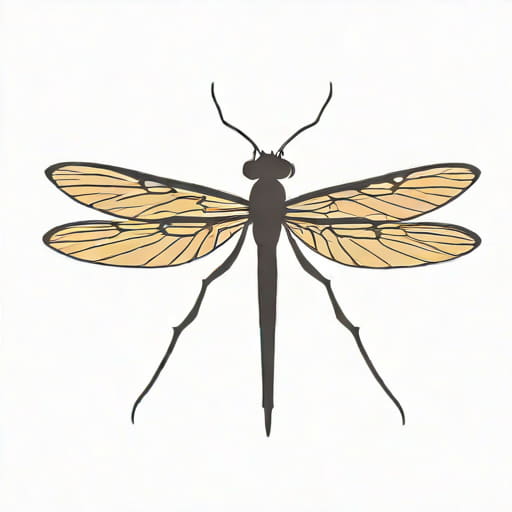
A crane fly is an insect often mistaken for a large mosquito, but it is harmless and does not bite humans. These insects belong to the family Tipulidae and are known for their long, slender legs and delicate wings. Crane flies are found worldwide, thriving in various environments such as gardens, forests, wetlands, and grassy fields. Despite their intimidating appearance, crane flies play an important role in ecosystems, serving as food for birds, amphibians, and other predators. Their larvae, often called leatherjackets, live in soil and feed on decaying plant material and roots, contributing to nutrient cycling and soil health. Understanding crane flies involves exploring their life cycle, habitat, ecological importance, and common misconceptions.
Physical Characteristics of Crane Flies
Crane flies are distinguished by their elongated bodies and disproportionately long legs, which are easily broken if handled. Their wings are clear or slightly patterned, and they have a wingspan ranging from 1 to 2.5 inches depending on the species. Adult crane flies typically measure between 0.5 to 1 inch in length, though some tropical species can be larger. Unlike mosquitoes, crane flies have a small, non-functional mouthpart as adults and do not feed on blood. Their appearance can vary slightly depending on their environment, but their overall morphology remains consistent across species, making them identifiable to entomologists and nature enthusiasts alike.
Life Cycle and Reproduction
The life cycle of a crane fly includes four main stages egg, larva, pupa, and adult. Female crane flies lay eggs in moist soil or aquatic environments, depending on the species. The eggs hatch into larvae, commonly referred to as leatherjackets, which feed on decaying organic matter, roots, and plant tissues. The larval stage is crucial for nutrient recycling in the soil and can last several weeks or months. After completing development, the larvae pupate in the soil, emerging as adult crane flies. Adults have a short lifespan, generally living only a few days to a week, primarily focused on mating and reproduction. This brief adult stage is why crane flies are often seen swarming in large numbers during certain seasons.
Habitat and Distribution
Crane flies are highly adaptable insects, found in a variety of habitats worldwide. They prefer moist environments that support their larval development, such as
- Wetlands and marshes
- Gardens and lawns with rich soil
- Forests and wooded areas
- Grasslands and meadows
- Near streams, ponds, or other water bodies
Their distribution is influenced by temperature, humidity, and availability of suitable breeding sites. Some species thrive in temperate regions, while others are adapted to tropical or subtropical climates. Because of their ecological flexibility, crane flies are an important part of local food webs across many geographic regions.
Ecological Importance
Despite their fleeting presence as adults, crane flies play several critical roles in ecosystems. Their larvae contribute to soil health by breaking down organic matter, enhancing nutrient availability, and supporting plant growth. Leatherjackets also aerate the soil as they burrow, improving water infiltration and root development. Adult crane flies serve as a food source for a variety of predators, including birds, frogs, spiders, and other insects. By supporting these food webs, crane flies contribute indirectly to the health of terrestrial and wetland ecosystems. Additionally, their presence can indicate soil moisture and ecosystem health, making them a useful species for environmental monitoring.
Common Misconceptions About Crane Flies
Crane flies are often misunderstood due to their resemblance to mosquitoes. However, several misconceptions should be clarified
- They do not bite humansAdult crane flies lack the mouthparts necessary to pierce skin or consume blood.
- They are not dangerousCrane flies do not transmit diseases, unlike mosquitoes.
- They are not pests as adultsWhile larvae may feed on plant roots, adult crane flies do not damage crops or gardens.
- Short adult lifespanMany people overestimate their presence because adults appear in large numbers, but they live only briefly, primarily to reproduce.
Understanding these points helps reduce unnecessary fear or pest control measures against crane flies, which are generally beneficial to ecosystems.
Crane Fly Larvae and Lawn Damage
While adult crane flies are harmless, their larvae, known as leatherjackets, can occasionally cause damage to lawns, golf courses, and turfgrass. Leatherjackets feed on grass roots, which can result in thinning, yellowing, or dead patches in high-density infestations. However, such problems are typically seasonal and can be managed through natural predators like birds or beetles, proper lawn care, and, in some cases, targeted pest control measures. Despite this potential for localized damage, the ecological benefits of crane fly larvae often outweigh the negatives.
Identification Tips for Crane Flies
Recognizing crane flies involves observing several key characteristics
- Long, slender legs that are often fragile and easily detached
- Elongated body with narrow, cylindrical shape
- Transparent or lightly patterned wings with a wingspan larger than the body length
- Lack of biting or piercing mouthparts in adults
- Distinct flight pattern, often clumsy or slow compared to other flying insects
Field guides and entomology resources often provide additional species-specific details, helping differentiate crane flies from other similar insects like mosquitoes, midges, or gnats.
A crane fly is a fascinating and harmless insect that plays a crucial role in ecosystems. From its distinctive long legs and delicate wings to the vital ecological functions performed by its larvae, the crane fly is an important component of natural habitats. Misunderstandings about their potential danger have led many to fear them, yet they pose no threat to humans or pets. Their larvae contribute to soil health and nutrient cycling, while adults provide food for a variety of predators, supporting biodiversity. Understanding crane flies helps promote appreciation of these insects and their ecological significance.
By recognizing the life cycle, habitat preferences, and ecological roles of crane flies, people can better manage interactions with them in gardens, lawns, and natural areas. Far from being pests, crane flies are indicators of healthy ecosystems and an essential part of the food web. Their delicate presence reminds us of the complex and interconnected world of insects, where even a seemingly fragile insect like the crane fly contributes to environmental balance and biodiversity. Awareness and education about crane flies encourage coexistence and highlight the value of even the smallest creatures in maintaining the health of our ecosystems.