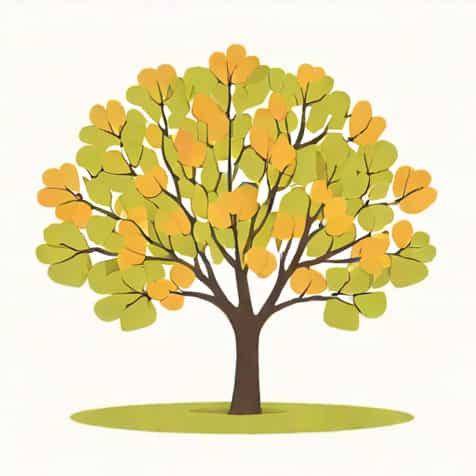
A Bradford pear tree is a type of ornamental tree that many people recognize even if they do not know its name. Often planted along streets, in suburban yards, and in commercial landscapes, it is known for its symmetrical shape and striking white blossoms in early spring. At the same time, the Bradford pear tree has become controversial due to its environmental impact and structural weaknesses. Understanding what a Bradford pear tree is helps homeowners and communities make informed decisions about landscaping and tree management.
Basic Definition of a Bradford Pear Tree
The Bradford pear tree, scientifically known asPyrus calleryanaBradford,’ is a cultivar of the Callery pear. It was originally developed in the mid-20th century as a decorative tree valued for its fast growth and attractive appearance.
Unlike fruit-bearing pear trees grown for food, the Bradford pear is considered an ornamental tree. Its purpose is primarily visual, offering seasonal interest rather than edible fruit.
Physical Characteristics
One of the most recognizable features of a Bradford pear tree is its shape. When young, it often has a neat, upright, teardrop-like form that appeals to landscapers and homeowners.
Leaves and Flowers
The leaves are glossy, dark green, and oval-shaped, turning vibrant shades of red, orange, or purple in the fall. In early spring, before most other trees leaf out, the Bradford pear produces dense clusters of white flowers.
While visually impressive, the flowers are known for having a strong odor that many people find unpleasant.
Size and Growth Rate
A mature Bradford pear tree typically reaches a height of 30 to 50 feet. It grows quickly, which contributed to its popularity in urban and suburban environments where fast landscaping results were desired.
Why Bradford Pear Trees Became Popular
The Bradford pear tree gained widespread popularity because it was marketed as a low-maintenance, adaptable tree. It tolerates a range of soil types, pollution, and varying weather conditions.
City planners and developers favored it for its uniform appearance and rapid establishment. For many years, it was considered an ideal street tree.
Structural Weaknesses
Despite its appealing appearance, the Bradford pear tree has significant structural flaws. Its branches tend to grow at narrow angles, which makes them prone to splitting.
As the tree matures, this weakness becomes more apparent. Heavy snow, ice, or strong winds can easily cause large limbs to break off.
Short Lifespan
Compared to many native trees, Bradford pear trees have a relatively short lifespan, often lasting only 15 to 25 years. This short life expectancy further reduces their long-term value in landscapes.
Environmental Impact and Invasiveness
One of the most important concerns surrounding what a Bradford pear tree is today relates to its environmental impact. Although originally thought to be sterile, Bradford pear trees can cross-pollinate with other Callery pear varieties.
This cross-pollination results in fertile seeds that spread easily, leading to invasive populations in natural areas.
Effect on Native Ecosystems
When Bradford pear trees spread into wild spaces, they often outcompete native plants. They form dense thickets that reduce biodiversity and disrupt local ecosystems.
This has led many environmental organizations and state agencies to discourage or even ban their sale.
Common Places Where Bradford Pear Trees Are Found
You are most likely to encounter a Bradford pear tree in suburban neighborhoods, parking lots, and along roadsides. They were widely planted during the late 20th century, so many mature specimens still exist.
In recent years, escaped populations can also be found along highways, fields, and forest edges.
Maintenance Challenges
Although once promoted as low-maintenance, Bradford pear trees often require frequent attention as they age. Pruning is necessary to reduce the risk of branch failure.
Even with careful pruning, structural problems cannot always be corrected, making long-term maintenance costly.
Why Many Experts Advise Against Planting Them
Today, many arborists, ecologists, and landscaping professionals advise against planting Bradford pear trees. The combination of weak structure, invasive behavior, and short lifespan makes them a poor choice compared to native alternatives.
Some states have even launched removal or replacement programs to reduce their spread.
Alternatives to Bradford Pear Trees
Homeowners looking for similar visual appeal without the negative effects have many better options.
- Serviceberry trees for spring flowers and fall color
- Redbud trees for early blooms and native benefits
- Flowering dogwood for ornamental value
- Native crabapple varieties
These alternatives support local wildlife and tend to have stronger branch structures.
Cultural Perception and Public Opinion
The Bradford pear tree has developed a mixed reputation. While some people still appreciate its appearance, others associate it with broken branches, invasive spread, and unpleasant odors.
This shift in public perception reflects a broader awareness of sustainable landscaping practices.
Is There Any Benefit to Existing Trees?
If a Bradford pear tree is already established and healthy, it can still provide shade and seasonal beauty for a limited time. However, monitoring for damage and preventing spread are important responsibilities.
Removing seed-producing trees can help limit environmental impact.
Understanding the Name Bradford
The name Bradford refers to the specific cultivar developed through selective breeding. Over time, other cultivars of Callery pear were introduced, which contributed to cross-pollination and invasiveness.
This history explains why the original claims of sterility no longer apply.
Why Knowledge About Bradford Pear Trees Matters
Understanding what a Bradford pear tree is allows homeowners, landscapers, and communities to make informed choices. Trees play a major role in urban environments, affecting ecosystems, safety, and long-term maintenance costs.
Choosing the right tree species contributes to healthier landscapes and more resilient environments.
A Bradford pear tree is an ornamental tree known for its spring blossoms and rapid growth, but also for its serious drawbacks. While once widely praised, it is now recognized as structurally weak and environmentally invasive. By learning about its characteristics, history, and impact, people can better evaluate whether to keep, remove, or replace these trees. Informed decisions help create landscapes that are not only beautiful, but also sustainable and beneficial for future generations.