When people hear the term transshipment, they often think of complex shipping routes and large ports full of containers. The concept is not only important for global trade but also for how goods are managed, transported, and redistributed across different regions. Understanding what transshipment means provides a clearer picture of international logistics, supply chain efficiency, and even customs regulations. It is a process that connects producers and consumers worldwide, making global commerce possible on a massive scale.
Definition of Transshipment
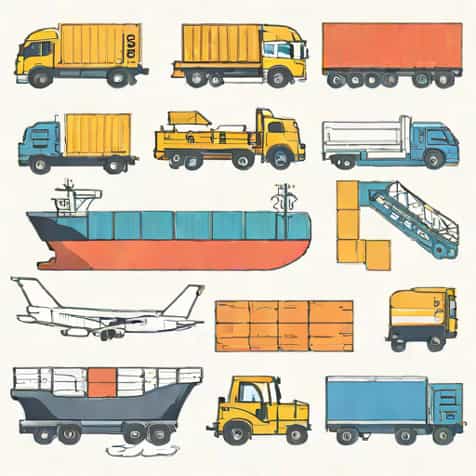
Transshipment refers to the process of transferring goods from one mode of transportation to another, usually at an intermediate port or terminal, before reaching the final destination. For example, cargo might arrive by a large container ship at a major port and then be transferred onto a smaller vessel or truck to continue its journey. The word highlights the in-between stage of moving goods during long-distance transport.
Why Transshipment is Important
Without transshipment, many goods would never reach their intended markets. Not all ports or airports are large enough to handle direct shipments, so transshipment hubs play a vital role in bridging those gaps. It helps reduce costs, optimize routes, and expand access to global markets.
Key Benefits
- Allows smaller ports to receive goods that originally arrive at larger, international hubs.
- Reduces overall shipping costs by consolidating cargo.
- Improves flexibility in the supply chain.
- Expands global trade opportunities for regions with limited infrastructure.
Examples of Transshipment in Action
Imagine a shipment of electronics manufactured in South Korea that needs to be delivered to a small port city in Africa. The large ship carrying thousands of containers cannot dock at the small port, so it stops at a major hub like Singapore or Dubai. There, the container is transferred onto a smaller vessel capable of reaching the final destination. This process of moving goods through an intermediate point is transshipment.
Types of Transshipment
Transshipment can occur in different ways depending on the transportation method and location.
Maritime Transshipment
This is the most common type, where goods are unloaded from one ship and loaded onto another. Major transshipment ports like Singapore, Rotterdam, and Hong Kong are known for handling enormous volumes of cargo every year.
Air Transshipment
In air cargo, goods might be flown to a central airport hub and then transferred to another aircraft for delivery to smaller airports. Airports like Dubai International and Frankfurt serve as major transshipment points for air freight.
Land Transshipment
On land, transshipment occurs when goods are moved from trucks to trains or vice versa at logistic hubs. This allows goods to travel across continents more efficiently by combining road and rail systems.
Transshipment Hubs
Certain cities and ports around the world are known as transshipment hubs because of their strategic location and advanced infrastructure. These hubs act as connecting points for global trade routes.
Examples of Major Hubs
- Singapore – one of the busiest container transshipment ports in the world.
- Dubai – a central hub linking Asia, Europe, and Africa.
- Rotterdam – a gateway for European trade, connecting maritime and inland transport.
- Hong Kong – a key hub for goods moving in and out of Asia.
The Role of Transshipment in Global Trade
Global trade would not function smoothly without transshipment. It makes long-distance shipping possible by connecting smaller markets with major trade routes. For businesses, transshipment lowers costs, provides more options for delivery, and ensures goods can reach otherwise inaccessible destinations.
Customs and Legal Aspects
Transshipment often involves crossing international borders, which makes customs regulations important. Authorities monitor transshipment carefully to prevent illegal trade, smuggling, or the transfer of prohibited goods. Many countries have specific legal requirements for reporting and documenting transshipment activities to ensure transparency.
Potential Challenges
- Delays due to customs clearance at intermediate ports.
- Increased risk of cargo damage during transfers.
- Complicated paperwork and regulatory requirements.
- Security concerns such as illegal shipments hidden within transshipment cargo.
Transshipment vs. Direct Shipment
It is useful to distinguish between transshipment and direct shipment. Direct shipment refers to goods being transported straight from the origin to the destination without intermediate stops for transfer. While direct shipment is faster, it is not always possible or economical. Transshipment, on the other hand, provides flexibility, especially when dealing with smaller markets or complex routes.
Impact of Transshipment on Costs
Transshipment can reduce costs through cargo consolidation, where shipments from multiple sources are combined into a single load. This allows carriers to use larger vessels more efficiently. However, additional handling at ports may add fees. Companies often balance these factors when deciding whether to use transshipment routes.
Technological Advances in Transshipment
Modern technology has improved transshipment efficiency. Ports use automated cranes, advanced tracking systems, and digital documentation to speed up cargo transfer. These innovations reduce delays, improve security, and make transshipment more reliable for global trade partners.
Environmental Considerations
While transshipment helps reduce shipping costs, it also has an environmental impact. More transfers can mean increased emissions from ships, trucks, and planes. However, by optimizing routes and consolidating cargo, transshipment can also reduce the total number of journeys needed, leading to more efficient use of resources.
Challenges Facing Transshipment in the Future
Global trade continues to grow, and so does the demand for efficient transshipment systems. Yet, there are challenges that need to be addressed, including stricter environmental regulations, political tensions that affect shipping routes, and the constant risk of global supply chain disruptions such as pandemics or wars.
Transshipment is more than just a logistical step; it is the backbone of international trade. It allows goods to move smoothly from one part of the world to another, bridging the gap between large shipping routes and smaller destinations. Whether by sea, air, or land, transshipment makes the global economy more connected and efficient. While it comes with challenges such as customs regulations, potential delays, and environmental concerns, its benefits far outweigh its drawbacks. Understanding what transshipment means helps us appreciate the complexity of modern trade and the invisible processes that make everyday products available in stores around the world.