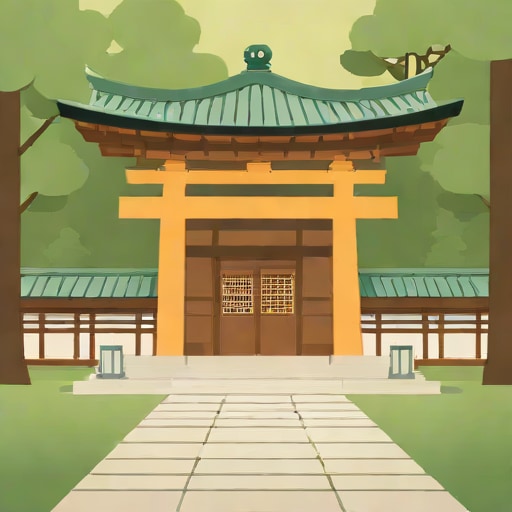
Visiting the Meiji Shinto Shrine in Tokyo is more than just a stop on a sightseeing trip; it is a journey into the cultural, spiritual, and historical heart of Japan. Surrounded by an expansive forest in one of the busiest cities in the world, the shrine offers peace and serenity that feels far removed from the bustling urban life. Travelers from across the globe find themselves drawn to its spiritual significance, traditional rituals, and the sense of calm that comes with walking under towering torii gates and tree-lined paths. Experiencing the Meiji Shinto Shrine allows visitors to connect with Japanese heritage and discover the blend of tradition and modern life that defines Tokyo today.
The History of Meiji Shinto Shrine
The Meiji Shinto Shrine, also known as Meiji Jingu, was dedicated to Emperor Meiji and Empress Shoken. It was completed in 1920, just eight years after the emperor’s passing, as a way to honor his role in guiding Japan through a transformative period. Emperor Meiji is remembered for leading Japan from a feudal society into a modernized nation, while Empress Shoken was admired for her charitable works and promotion of women’s education.
The original structure was destroyed during World War II, but the shrine was carefully rebuilt in 1958 with public donations. Today, it stands as a symbol of resilience, national pride, and spiritual connection, making it one of the most visited Shinto shrines in Japan.
Getting to the Shrine
The shrine is located in Shibuya, Tokyo, near Harajuku Station and Yoyogi Station. Despite its central location, stepping into the shrine grounds feels like entering another world. Visitors often remark on the transition from busy streets into a vast, tranquil forest as soon as they pass through the first torii gate. This contrast is one of the reasons why the shrine remains a favorite destination for tourists and locals alike.
Architectural Features
The Meiji Shinto Shrine reflects traditional Shinto design, known for its simplicity and natural beauty. Wooden structures, copper roofs, and wide courtyards create an atmosphere of quiet dignity. Key features include
- Torii GatesMassive wooden gates mark the entrance to sacred space, symbolizing the transition from the ordinary world to the spiritual realm.
- Main Hall (Honden)The central building where offerings and prayers are made.
- Treasure HouseA museum showcasing topics and clothing belonging to Emperor Meiji and Empress Shoken.
- Inner GardenA beautiful garden famous for its seasonal flowers, including irises that bloom in June.
The Sacred Forest
One of the most remarkable aspects of visiting the Meiji Shinto Shrine is the surrounding forest. When the shrine was constructed, more than 100,000 trees of 365 different species were donated from all over Japan. The result is a man-made yet natural-feeling forest that has matured over the decades, offering shade and serenity to millions of visitors each year. Walking through this forest is often described as a meditative experience, making it an essential part of any visit.
Traditional Rituals and Practices
As a Shinto shrine, Meiji Jingu invites visitors to participate in rituals that have been practiced for centuries. These include
- PurificationAt the temizuya, visitors cleanse their hands and mouths before approaching the main hall.
- PrayerAfter offering coins, worshippers bow twice, clap their hands twice, and bow once more to show respect.
- Ema PlaquesWooden plaques on which visitors write prayers and wishes, often hung on racks within the shrine grounds.
- OmamoriProtective amulets that can be purchased for blessings of health, love, safety, or success.
These practices allow tourists to engage respectfully with Shinto traditions while gaining insight into Japanese spirituality.
Festivals and Celebrations
The shrine is not only a place of quiet reflection but also a hub of activity during major festivals. One of the most popular times to visit is during New Year’s celebrations, known as Hatsumode, when millions of people gather to make their first prayers of the year. Weddings are also frequently held here, and visitors may witness traditional Shinto ceremonies with the bride and groom in elaborate attire.
Seasonal Highlights
Each season brings a different charm to the shrine. Spring offers cherry blossoms near the entrance, while summer showcases vibrant greenery in the forest. Autumn brings a wave of colorful leaves, and winter highlights the peaceful beauty of the wooden structures surrounded by crisp air and bare trees. This seasonal variety ensures that no two visits feel exactly the same.
Tips for Visitors
To fully appreciate the Meiji Shinto Shrine, it is helpful to follow some practical tips
- Arrive early in the morning to enjoy the quiet atmosphere before large crowds arrive.
- Dress respectfully, as the shrine is a place of worship.
- Take time to walk slowly through the forest paths, allowing the transition from city to sanctuary to sink in.
- Respect photography rules, especially inside sacred spaces where taking photos may be restricted.
- Consider buying a small omamori as both a cultural souvenir and a token of good luck.
Cultural Importance
The Meiji Shinto Shrine serves as a cultural bridge between the past and present. For Japanese people, it honors one of the most influential emperors in history. For international visitors, it offers a glimpse into Shinto traditions and Japanese spirituality. Its location near modern attractions like Harajuku and Shibuya underscores the harmony between tradition and modernity in Tokyo.
Experiencing Peace in the Heart of Tokyo
What makes the shrine truly special is the feeling it creates for each visitor. Surrounded by tall trees, wide gravel paths, and solemn wooden halls, there is a sense of stepping into a timeless space. Whether one seeks spiritual reflection, historical understanding, or simply a break from the fast pace of the city, the Meiji Shinto Shrine provides a unique and memorable experience.
To visit the Meiji Shinto Shrine is to step into a world where tradition, spirituality, and nature come together harmoniously. It is not just a tourist destination but a sacred space that invites reflection and connection. From the grand torii gates to the quiet rituals, from the seasonal beauty of the gardens to the significance of the festivals, the shrine offers something meaningful for every visitor. For anyone exploring Tokyo, the Meiji Shinto Shrine is a must-see destination that embodies the essence of Japanese culture and the enduring spirit of Shinto practice.