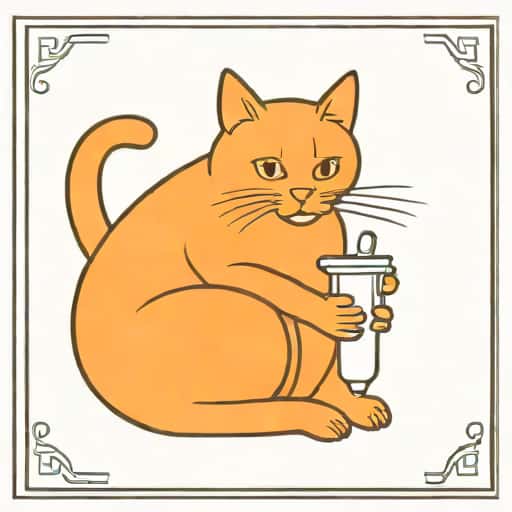
Feline enteritis is a serious and potentially life-threatening disease that affects cats, particularly kittens. Caused primarily by the feline parvovirus, feline enteritis leads to severe gastrointestinal symptoms such as vomiting, diarrhea, dehydration, and in some cases, even death. Because of its highly contagious nature and the rapid progression of the disease, vaccination is considered the most effective method of prevention. The feline enteritis vaccine, often included as part of core vaccinations for cats, provides immunity against this virus, helping to protect cats from infection and reduce the spread of the disease within feline populations. Understanding the importance, types, and administration of the feline enteritis vaccine is crucial for every cat owner and veterinary professional.
What is Feline Enteritis?
Feline enteritis, also known as feline panleukopenia, is an infectious disease caused by the feline parvovirus. This virus attacks the rapidly dividing cells in a cat’s body, particularly in the intestinal lining, bone marrow, and developing fetus in pregnant cats. As a result, affected cats experience severe symptoms such as loss of appetite, vomiting, diarrhea, lethargy, and a dangerously low white blood cell count, which can compromise the immune system and increase susceptibility to secondary infections. The virus spreads easily through direct contact with infected cats, contaminated objects, or fecal matter.
Symptoms of Feline Enteritis
- Severe vomiting and diarrhea
- Loss of appetite and weight loss
- Lethargy and weakness
- Dehydration
- Fever or low body temperature
- Low white blood cell count leading to increased infection risk
Importance of Vaccination
Vaccination is the most effective way to protect cats against feline enteritis. The feline enteritis vaccine stimulates a cat’s immune system to recognize and fight the parvovirus, providing immunity that reduces the severity of symptoms or prevents infection entirely. This vaccination is considered a core vaccine for all cats, regardless of their lifestyle or environment, because of the virus’s contagious nature and the potential severity of the disease. By vaccinating your cat, you also help prevent outbreaks within multi-cat households, shelters, and the wider community.
Benefits of Feline Enteritis Vaccination
- Protects kittens and adult cats from a life-threatening disease
- Reduces the spread of the virus in multi-cat environments
- Decreases the likelihood of severe symptoms if infection occurs
- Supports overall feline health and immune system function
- Provides peace of mind for cat owners and caregivers
Types of Feline Enteritis Vaccines
There are different types of vaccines available to protect cats against feline enteritis. The most common are inactivated (killed) vaccines and modified live vaccines (MLV). Each type has its benefits and considerations depending on the cat’s age, health status, and veterinary guidance.
Modified Live Vaccines (MLV)
MLV vaccines contain weakened versions of the feline parvovirus that cannot cause disease in healthy cats but stimulate a strong immune response. These vaccines often provide faster and longer-lasting immunity compared to inactivated vaccines. They are typically used in kittens and adult cats with no prior vaccination history. However, MLV vaccines are not recommended for cats that are immunocompromised or pregnant due to the small risk of virus replication.
Inactivated (Killed) Vaccines
Inactivated vaccines contain virus ptopics that have been killed and cannot replicate. While they may require multiple doses or boosters to achieve full immunity, they are safe for cats that are pregnant, immunocompromised, or otherwise unable to receive a live vaccine. These vaccines are effective and provide essential protection against feline enteritis without the risks associated with live virus exposure.
Vaccination Schedule
Kittens are particularly vulnerable to feline enteritis, so early vaccination is crucial. The initial vaccine series usually begins at six to eight weeks of age, with booster shots administered every three to four weeks until the kitten reaches sixteen weeks old. Adult cats that have not been previously vaccinated require an initial series of two doses spaced three to four weeks apart. After the initial series, a booster is typically recommended every one to three years, depending on the type of vaccine and veterinary guidelines.
Key Points for a Vaccination Schedule
- First dose 6-8 weeks of age for kittens
- Subsequent boosters every 3-4 weeks until 16 weeks old
- Adult cats two-dose initial series if unvaccinated
- Booster shots typically every 1-3 years based on vaccine type
- Consult a veterinarian for individualized vaccination plans
Administration and Safety
Feline enteritis vaccines are usually administered subcutaneously, meaning just under the skin. A veterinarian will ensure proper dosage and technique to maximize immunity while minimizing discomfort. Mild side effects, such as temporary soreness at the injection site, slight fever, or lethargy, can occur but generally resolve within 24 to 48 hours. Serious reactions are rare but can include allergic responses, so monitoring after vaccination is important.
Precautions and Considerations
- Consult a veterinarian if your cat has pre-existing health conditions or is pregnant
- Monitor for any signs of adverse reactions after vaccination
- Follow the recommended schedule for boosters and re-vaccination
- Maintain overall health and nutrition to support immune response
- Ensure kittens receive maternal antibody testing if possible for optimal timing
Impact of Vaccination on Feline Health
Vaccination against feline enteritis significantly reduces the risk of severe illness, hospitalization, or death caused by the virus. Cats that receive timely vaccinations are more likely to survive potential exposures and experience milder symptoms if infection occurs. Additionally, widespread vaccination within communities helps control the spread of the virus in shelters, breeding facilities, and urban environments, contributing to overall feline health and public awareness about disease prevention.
Additional Health Benefits
- Strengthened immune system and response to other infections
- Lower healthcare costs due to prevention of severe illness
- Reduced stress for owners knowing their cats are protected
- Enhanced survival rates for kittens and older cats
- Supports responsible pet ownership and community health
The feline enteritis vaccine is a critical component of responsible cat care. By protecting cats from a highly contagious and potentially deadly virus, the vaccine not only safeguards individual feline health but also contributes to the well-being of the broader cat population. Understanding the disease, choosing the right type of vaccine, following a proper vaccination schedule, and maintaining post-vaccination monitoring are essential steps for cat owners. With timely vaccination and regular veterinary care, cats can live healthier, longer lives with reduced risk of feline enteritis, demonstrating the profound impact of preventive medicine on animal health.