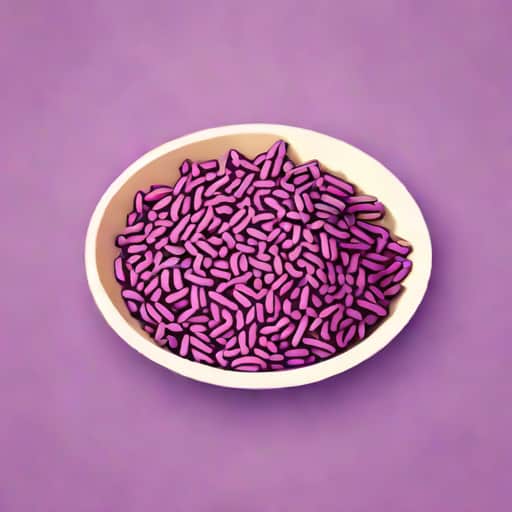
Violet glutinous rice is a unique and aromatic variety of sticky rice known for its striking purple hue and rich, slightly nutty flavor. Often used in Southeast Asian cuisines, particularly in Thailand, Laos, and Vietnam, this rice is prized for both its culinary versatility and its nutritional benefits. Its vibrant color comes from natural pigments in the rice bran, which also contain antioxidants and other beneficial compounds. Violet glutinous rice can be used in a variety of traditional desserts, savory dishes, and beverages, making it a staple ingredient for those seeking both taste and health benefits. Its distinctive texture and appearance make it a visually appealing and delicious addition to meals and celebrations alike.
Origin and History
Violet glutinous rice has a long history in Southeast Asian cultures, where it has been cultivated for centuries. In Thailand, it is often referred to as black sticky rice or purple sticky rice, though its hue can vary from deep violet to almost black. Historically, this rice was reserved for special occasions, festivals, and ceremonial offerings due to its rarity and unique properties. Its cultivation is labor-intensive, requiring specific climate and soil conditions, which contributed to its value and cultural significance. Over time, violet glutinous rice became a symbol of prosperity, health, and good fortune in various communities, and it remains an important part of traditional cuisine and heritage today.
Characteristics and Nutritional Value
Violet glutinous rice is distinguishable by its deep purple color, slightly sticky texture, and sweet, nutty flavor. Its nutritional profile makes it an excellent choice for those seeking wholesome food options. Key characteristics include
- Rich in AntioxidantsThe pigments in violet glutinous rice, known as anthocyanins, provide antioxidant properties that help protect cells from damage.
- High Fiber ContentThis rice contains dietary fiber that supports healthy digestion and promotes satiety.
- Vitamins and MineralsIt offers essential nutrients such as iron, magnesium, and B vitamins, which are important for energy and overall health.
- Gluten-FreeLike all rice varieties, violet glutinous rice is naturally gluten-free, making it suitable for individuals with gluten sensitivity.
- Low Glycemic IndexIts sticky texture slows digestion, which can help regulate blood sugar levels.
Culinary Uses
Violet glutinous rice is highly versatile in the kitchen, capable of being used in both sweet and savory dishes. Its unique texture and color make it a popular ingredient for traditional desserts, festive meals, and modern culinary creations. Common uses include
- Traditional DessertsSticky rice desserts with coconut milk, sweet beans, or tropical fruits like mango are popular throughout Southeast Asia.
- Savory DishesViolet glutinous rice can accompany grilled meats, seafood, or vegetables, adding both visual appeal and a slightly chewy texture.
- Rice Cakes and DumplingsThe sticky nature of the rice makes it ideal for forming into cakes, balls, or dumplings, often used in ceremonial dishes.
- BeveragesIn some cultures, violet glutinous rice is used to make rice-based drinks, fermented beverages, or rice wines.
- Fusion CuisineContemporary chefs incorporate violet glutinous rice into sushi, salads, and even baked goods for innovative presentations.
Cooking Techniques
Proper preparation is essential to achieve the desired texture and flavor of violet glutinous rice. Common cooking methods include
- SoakingSoak the rice for several hours or overnight to reduce cooking time and improve texture.
- SteamingTraditionally, glutinous rice is steamed rather than boiled to maintain its stickiness and prevent it from becoming mushy.
- Rice CookerModern rice cookers can also be used with specific settings for sticky rice, producing consistent results.
- Coconut Milk InfusionFor desserts, cooking the rice with coconut milk adds richness and enhances flavor.
- Layering and WrappingIn some recipes, violet glutinous rice is wrapped in banana leaves for steaming, which adds aroma and prevents sticking.
Health Benefits
Violet glutinous rice offers several health benefits beyond its appealing taste. The natural anthocyanins in the rice bran are known for their antioxidant properties, which may help reduce inflammation and promote heart health. The high fiber content aids digestion, helps maintain healthy cholesterol levels, and contributes to feeling full, which can support weight management. Additionally, essential vitamins and minerals in violet glutinous rice, such as iron and magnesium, support energy metabolism and overall wellness. Its low glycemic index makes it a suitable option for people managing blood sugar levels, while its gluten-free nature ensures it is accessible to those with dietary restrictions.
Cultural Significance
In addition to its nutritional and culinary value, violet glutinous rice holds cultural importance in many Southeast Asian societies. It is often associated with celebrations, religious ceremonies, and family gatherings. Serving violet glutinous rice during festivals or special events symbolizes prosperity, health, and good fortune. In some communities, it is also used in offerings or traditional rituals, reflecting respect for heritage and the continuation of customs. Its vibrant color and unique texture make it a visual centerpiece, reinforcing its role in cultural storytelling and communal identity.
Storage and Preservation
Proper storage is important to maintain the quality and longevity of violet glutinous rice. Recommended practices include
- Keep the rice in a cool, dry place away from direct sunlight to prevent discoloration and spoilage.
- Store in airtight containers to protect against moisture, pests, and odors.
- For longer preservation, refrigerate or freeze the rice to extend shelf life without compromising quality.
- Avoid storing near strong-smelling foods, as rice can absorb odors.
- Check periodically for signs of moisture or spoilage to ensure freshness before cooking.
Violet glutinous rice is a remarkable ingredient that combines nutritional benefits, culinary versatility, and cultural significance. Its vibrant color, sticky texture, and rich flavor make it suitable for a wide range of dishes, from traditional desserts to contemporary fusion creations. Rich in antioxidants, fiber, and essential nutrients, it offers health benefits while delighting the senses. Beyond its culinary applications, violet glutinous rice serves as a symbol of tradition, celebration, and community in Southeast Asian cultures. Whether used for everyday meals, festive occasions, or innovative recipes, this rice continues to captivate chefs, food enthusiasts, and health-conscious individuals alike.