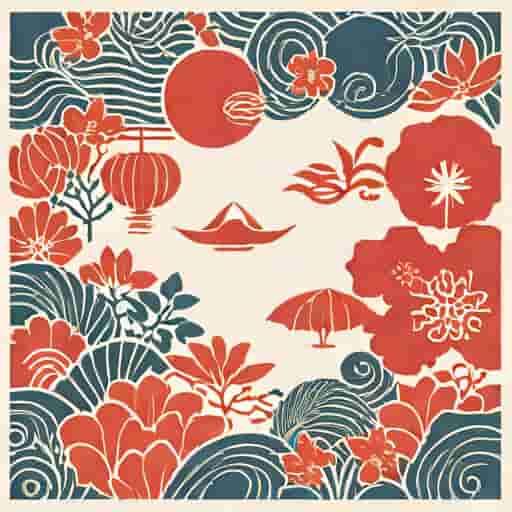
Japanese printmaking paper, also known as washi, has been an essential material in traditional and contemporary printmaking for centuries. Renowned for its durability, texture, and ability to hold ink with precision, Japanese paper has earned a reputation among artists and printmakers worldwide. This paper is often handmade from natural fibers, including kozo (mulberry), mitsumata, and gampi, which contribute to its unique qualities. Its strength and flexibility make it ideal for various printmaking techniques, from woodblock printing and etching to lithography and monotype. Artists value Japanese printmaking paper not only for its technical performance but also for its aesthetic appeal, as the subtle textures and translucent qualities can enhance the depth and richness of prints.
History of Japanese Printmaking Paper
The tradition of Japanese paper-making dates back over a thousand years and is deeply intertwined with the country’s artistic and cultural heritage. Originally developed for calligraphy, official documents, and religious texts, washi later became a crucial component of Japanese woodblock prints, or ukiyo-e. The delicate balance of strength and absorbency in Japanese paper allowed artists to achieve intricate details, vibrant colors, and long-lasting prints. Over time, printmakers adapted these techniques to various artistic styles, incorporating washi into both traditional and modern printmaking practices.
Key Historical Developments
- Heian period Early development of paper-making techniques using natural fibers
- Edo period Expansion of ukiyo-e prints with specialized washi for color and detail
- Meiji period Industrialization of paper production while maintaining traditional methods
- 20th century International recognition of Japanese printmaking techniques and paper quality
- Contemporary era Integration of handmade washi into modern printmaking and mixed-media art
Types of Japanese Printmaking Paper
Japanese printmaking paper comes in several types, each suited to specific artistic techniques. The differences in texture, weight, and absorbency allow artists to select paper that complements their chosen print method. Common types include
Kozo Paper
Kozo paper is made from the inner bark of the mulberry tree and is prized for its long fibers, strength, and smooth yet slightly textured surface. It is ideal for woodblock printing and relief techniques because it can withstand multiple passes through a press without tearing. Kozo paper is also resistant to aging, ensuring the longevity of prints.
Mitsumata Paper
Mitsumata fibers produce paper that is soft, smooth, and slightly translucent. This type is often used for delicate line work, etching, and detailed prints. Mitsumata paper absorbs ink evenly, allowing for subtle gradations and fine shading in prints.
Gampi Paper
Gampi fibers create paper with a naturally glossy surface and a fine texture. Gampi paper is thin yet strong, making it suitable for detailed printmaking and techniques that require high ink saturation. Its smoothness enhances the clarity of lines and colors, producing vibrant, crisp prints.
Characteristics and Advantages
Japanese printmaking paper is celebrated for its distinct characteristics, which set it apart from conventional Western papers. The advantages include
Strength and Durability
Despite its thin and delicate appearance, Japanese paper is incredibly strong due to long natural fibers. This strength allows it to endure multiple printing processes, stretching, and manipulation without tearing.
Absorbency and Ink Retention
The paper’s absorbency ensures that ink is held evenly, preventing blotting and smudging. This quality is particularly important for techniques such as woodblock printing, where layers of ink are applied sequentially.
Texture and Aesthetic Appeal
Japanese paper offers a variety of textures, from smooth to slightly rough, which can enhance the visual and tactile qualities of prints. The paper’s natural fibers often produce subtle variations in color and translucency, adding depth and character to the artwork.
Longevity and Preservation
Washi is resistant to yellowing and deterioration over time, making it ideal for archival-quality prints. Its acid-free composition ensures that prints remain vibrant and intact for decades, which is crucial for collectors and museums.
Techniques Used with Japanese Printmaking Paper
Japanese paper is compatible with a wide range of printmaking techniques, each benefiting from the paper’s strength, absorbency, and texture. Common techniques include
Woodblock Printing
Traditional Japanese woodblock printing relies on durable paper that can handle repeated impressions. Kozo paper, in particular, is preferred for its ability to capture intricate details and hold multiple layers of ink without warping.
Etching and Engraving
For intaglio processes like etching and engraving, mitsumata paper is often used because of its smooth surface and excellent ink retention. The paper can be dampened before printing, allowing it to pick up fine lines and subtle tonal variations.
Lithography
Japanese papers are also suitable for lithography, where their absorbent yet smooth surfaces provide sharp, clear impressions. Gampi paper is often chosen for its ability to render precise details and rich contrasts.
Mixed Media and Contemporary Techniques
Modern artists incorporate Japanese paper into mixed media projects, collages, and experimental prints. The flexibility and aesthetic qualities of the paper make it an ideal substrate for combining printmaking with painting, drawing, or digital transfers.
How to Choose the Right Japanese Printmaking Paper
Selecting the appropriate Japanese paper depends on the intended printmaking technique, desired texture, and artistic goals. Factors to consider include
- Fiber type (kozo, mitsumata, gampi) for strength and texture
- Thickness or weight to ensure compatibility with the printing method
- Surface texture for line clarity or tonal variation
- Absorbency for ink retention and layering
- Translucency and color to achieve desired aesthetic effects
Care and Preservation
Proper handling and storage of Japanese printmaking paper are essential to maintain its quality. Paper should be stored flat, away from direct sunlight, moisture, and extreme temperatures. When printing, it is important to handle the paper gently, especially when dampened for intaglio or relief techniques. Archival storage materials, such as acid-free folders and protective sleeves, can help preserve prints for long-term collection and exhibition.
Tips for Handling
- Always wash hands before touching the paper to prevent oils and dirt
- Use minimal pressure when pressing or embossing to avoid tearing
- Allow prints to dry thoroughly before stacking or framing
- Store in a cool, dry environment to prevent warping or mold
- Use archival-quality materials for framing and presentation
Japanese printmaking paper is an essential material for artists seeking quality, durability, and aesthetic beauty in their prints. From traditional woodblock printing to contemporary mixed media projects, washi provides unmatched versatility, strength, and visual appeal. Its long fibers, absorbent nature, and subtle textures make it ideal for capturing fine details and achieving vibrant, long-lasting prints. By understanding the different types of Japanese paper, their characteristics, and proper handling techniques, printmakers can enhance their artistic practice and create works that are both technically excellent and visually captivating. The legacy of Japanese printmaking paper continues to influence artists worldwide, reflecting centuries of craftsmanship, tradition, and innovation in every sheet.