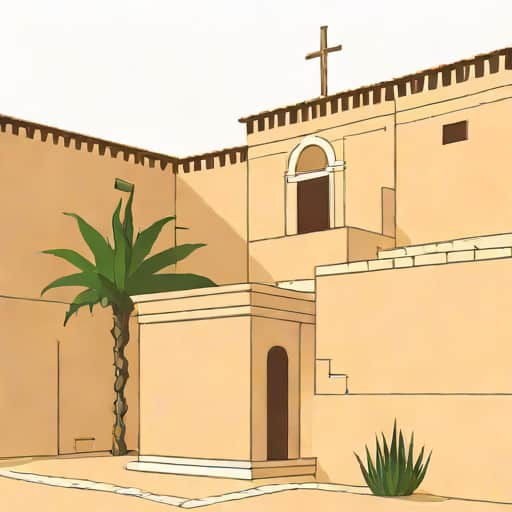
Crete, the largest island in Greece, is renowned for its rich history, stunning landscapes, and cultural heritage. Among the many historical landmarks, the Venetian Walls of Heraklion and the tomb of Nikos Kazantzakis stand out as significant sites that attract visitors from around the world. These landmarks not only represent different eras of Cretan history but also highlight the island’s role in literature, philosophy, and military architecture. Exploring these sites offers a unique glimpse into the past, allowing travelers and history enthusiasts to connect with the stories and achievements of the people who shaped Crete.
The Venetian Walls of Heraklion
The Venetian Walls of Heraklion are one of the most impressive fortifications in Greece. Constructed by the Venetians during the 16th and 17th centuries, these massive walls were built to protect the city from Ottoman invasions and other external threats. The walls showcase the advanced military engineering of the period and remain a symbol of the Venetian presence on the island. They stretch over several kilometers and include bastions, gates, and defensive structures that demonstrate both strategic planning and architectural skill.
Historical Significance
The Venetian Walls were part of a larger effort by the Republic of Venice to fortify its territories in the eastern Mediterranean. Heraklion, known historically as Candia, was a major trading hub, and the walls provided essential protection for its residents and valuable resources. The fortifications successfully resisted numerous attacks, most notably during the Siege of Candia in the 17th century, which lasted over 21 years. This siege is considered one of the longest in history and highlights the resilience and strategic importance of the walls.
Architectural Features
The Venetian Walls are characterized by their massive stone construction and advanced design. Key features include
- High ramparts and bastions designed to withstand cannon fire
- Moats and defensive trenches surrounding the walls
- Fortified gates such as the Koules Gate, which served as entry points
- Watchtowers and strategic points for surveillance and defense
These features made the walls a formidable defense system that has stood the test of time. Today, visitors can walk along parts of the walls and explore the gates and bastions, gaining insight into the military strategies employed by the Venetians.
The Tomb of Nikos Kazantzakis
Nikos Kazantzakis, one of Greece’s most celebrated writers and philosophers, was born in Heraklion in 1883. He is best known for his literary works, including Zorba the Greek and The Last Temptation of Christ, which explore themes of human existence, freedom, and spirituality. Kazantzakis had a profound influence on modern Greek literature, and his ideas continue to resonate with readers worldwide. His tomb, located near the foothills of the village of Myrtia in Heraklion, serves as a place of reflection and homage for admirers of his work.
Life and Legacy of Nikos Kazantzakis
Kazantzakis led a life marked by intellectual exploration, travel, and deep philosophical inquiry. He studied in Athens and later in Europe, absorbing various philosophical and literary influences. His works often grappled with questions about morality, the meaning of life, and the human struggle between the material and spiritual worlds. Beyond literature, Kazantzakis was also engaged in politics and social issues, reflecting his commitment to understanding and improving the human condition. His legacy is preserved not only in his writings but also in the memorials dedicated to him, including his tomb.
Visiting the Tomb
The tomb of Nikos Kazantzakis is a serene and contemplative site that attracts both literary enthusiasts and casual visitors. Key aspects of the tomb include
- A simple stone structure reflecting Kazantzakis’ philosophical outlook
- Peaceful surroundings amidst nature, allowing for quiet reflection
- Engravings or plaques highlighting his literary contributions
- Accessibility for visitors seeking to pay homage or gain inspiration
Visiting the tomb provides an opportunity to connect with Kazantzakis’ life and works, offering insight into the mind of one of Greece’s most influential literary figures.
Connection Between Venetian Walls and Kazantzakis
While the Venetian Walls and the tomb of Nikos Kazantzakis represent different aspects of Cretan history, both are deeply connected to the island’s cultural and historical identity. The walls embody the resilience and strategic importance of Crete in Mediterranean history, while Kazantzakis’ tomb reflects the intellectual and spiritual heritage of the island. Together, these landmarks highlight Crete as a place where history, literature, and culture converge, offering a multidimensional experience for visitors.
Tourist Experience
Visiting both the Venetian Walls and Kazantzakis’ tomb can be a rewarding experience for travelers. The combination of historical exploration and literary reflection allows for a comprehensive understanding of Crete’s past and its enduring cultural significance. Tourists can
- Walk along the ancient walls and imagine the strategic defenses during Venetian rule
- Learn about the architectural innovations and military history of Heraklion
- Visit Kazantzakis’ tomb and contemplate the themes of his literary works
- Experience the natural beauty of the surroundings and understand how it influenced Kazantzakis
Preservation and Importance
Both the Venetian Walls and the tomb of Nikos Kazantzakis require ongoing preservation efforts. Maintaining these sites ensures that future generations can continue to learn from and appreciate Crete’s rich history and cultural heritage. Conservation initiatives focus on structural repairs, protection from environmental damage, and educational programs to raise awareness about their historical significance. Preserving these landmarks is not only a matter of protecting physical structures but also safeguarding the stories and legacy they represent.
The Venetian Walls of Heraklion and the tomb of Nikos Kazantzakis offer visitors a unique journey through Cretan history, blending military, cultural, and literary heritage. The walls stand as a testament to the island’s strategic importance and the ingenuity of Venetian architecture, while Kazantzakis’ tomb honors a literary figure whose works continue to inspire readers around the world. Exploring these sites provides a rich and immersive experience, allowing travelers to appreciate the resilience, creativity, and intellectual legacy of Crete. Together, they represent the diverse and enduring heritage of an island that has captivated historians, scholars, and tourists alike for centuries.