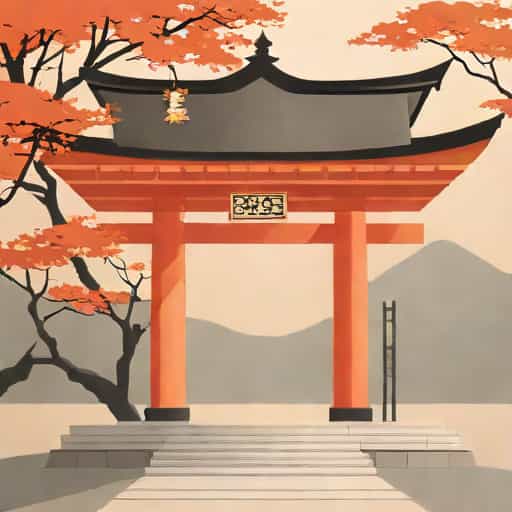
The Vancouver Shinto Shrine serves as a cultural and spiritual landmark in Vancouver, offering visitors and local residents a glimpse into the rich traditions of Shinto, the indigenous religion of Japan. While Shinto shrines are more commonly found in Japan, the establishment of a Shinto shrine in Vancouver reflects the city’s multicultural heritage and the presence of a Japanese community that values the preservation of its religious and cultural practices. The shrine functions not only as a place of worship but also as a center for cultural education, community gatherings, and traditional ceremonies, making it an important site for understanding the role of Shinto in diaspora communities and the broader cultural landscape of Vancouver.
History and Background
The Vancouver Shinto Shrine was founded to serve the spiritual needs of Japanese immigrants and their descendants in the Vancouver area. Its establishment symbolizes the effort to maintain cultural continuity and spiritual practice outside of Japan. Over the decades, the shrine has become a hub for the Japanese community, hosting festivals, religious ceremonies, and cultural events that educate younger generations and the wider public about Shinto traditions. The shrine’s architecture, rituals, and layout closely follow traditional Shinto practices, providing an authentic experience despite being geographically distant from Japan.
Shinto in Canada
Shintoism, with its emphasis on nature worship, ancestral reverence, and community harmony, has a long history of being practiced by Japanese immigrants in Canada. The Vancouver Shinto Shrine represents one of the few dedicated Shinto sites in the country, offering a place where individuals can perform traditional rituals, celebrate seasonal festivals, and seek blessings for health, prosperity, and well-being. The presence of such shrines also helps preserve the intangible cultural heritage of the Japanese-Canadian community and promotes understanding of Shinto beliefs among the wider population.
Architecture and Design
The Vancouver Shinto Shrine reflects traditional Japanese architectural elements, carefully adapted to the local environment. The main structure, known as the honden, is where the kami, or sacred spirits, are enshrined. Surrounding this central building are auxiliary structures for ritual preparation, worship, and community gatherings. The shrine’s design emphasizes simplicity, natural materials, and harmony with the surrounding environment, reflecting core Shinto principles that encourage a close relationship between humans and nature.
Key Architectural Features
- Torii gate – Marks the entrance and symbolizes the transition from the ordinary to the sacred.
- Honden – Main sanctuary where the kami are enshrined.
- Haiden – Worship hall where visitors offer prayers and perform rituals.
- Chōzuya – Purification fountain for cleansing hands and mouth before worship.
- Natural landscaping – Gardens and trees designed to create a serene environment in line with Shinto reverence for nature.
Religious Practices and Rituals
At the Vancouver Shinto Shrine, visitors can participate in a variety of traditional rituals and ceremonies that are central to Shinto practice. Daily offerings, seasonal festivals, and life event ceremonies provide spiritual guidance and cultural continuity. Worshippers typically purify themselves at the chōzuya, offer prayers at the haiden, and present symbolic offerings such as sake, rice, or coins. Seasonal festivals, known as matsuri, often include music, dance, and communal celebrations that engage both the Japanese-Canadian community and interested visitors from other backgrounds.
Common Rituals
- Purification (misogi) – Cleansing before approaching the shrine.
- Prayers for health and prosperity – Visitors offer prayers and written wishes.
- Seasonal festivals – Celebrations such as New Year (Shogatsu) and harvest festivals.
- Life events – Ceremonies for births, weddings, and other milestones.
- Community gatherings – Cultural events that foster social connection and education.
Community and Cultural Significance
The Vancouver Shinto Shrine plays a vital role in maintaining cultural identity for Japanese-Canadians. It provides a place for spiritual practice, intergenerational learning, and cultural preservation. Beyond the Japanese community, the shrine also attracts tourists and local residents interested in Japanese culture, offering educational programs, workshops, and guided tours. Through these activities, the shrine fosters cultural exchange, understanding, and appreciation, highlighting the role of religious sites in bridging communities and preserving traditions.
Educational and Cultural Programs
- Workshops on Shinto rituals and traditions
- Guided tours explaining shrine architecture and cultural significance
- Festivals open to the public for cultural immersion
- Collaborations with schools and universities for educational programs
- Demonstrations of traditional Japanese music, dance, and craft
Festivals and Seasonal Events
Festivals at the Vancouver Shinto Shrine are significant community events that combine religious devotion with cultural celebration. Major matsuri, such as New Year celebrations and harvest festivals, draw large crowds and provide opportunities for visitors to experience traditional Shinto practices. Events often include ceremonial music, processions, traditional dances, and food offerings. These festivals serve to strengthen community bonds, transmit cultural knowledge to younger generations, and promote awareness of Shinto practices among the broader public.
Popular Events
- New Year (Shogatsu) – First prayers of the year, fortune-telling, and blessings.
- Spring festival (Haru Matsuri) – Celebrates renewal and nature, with traditional performances.
- Autumn harvest festival (Aki Matsuri) – Offers gratitude for a successful harvest season.
- Community cultural day – Workshops, performances, and educational activities for families.
- Seasonal rituals – Smaller ceremonies to mark changes in the lunar calendar or local traditions.
Preservation and Future Prospects
Maintaining the Vancouver Shinto Shrine involves careful preservation of both the physical structures and the intangible cultural heritage. Efforts include structural maintenance, community engagement, and documentation of rituals and ceremonies. The shrine continues to be a center for education, cultural exchange, and spiritual practice, with plans to expand programming and outreach to new generations. By preserving the shrine and its traditions, Vancouver ensures that Shinto culture remains a vibrant and accessible part of the city’s multicultural landscape.
Preservation Strategies
- Regular maintenance of shrine buildings and torii gates
- Protection of natural surroundings and gardens
- Documentation and archiving of rituals and ceremonies
- Community engagement and volunteer programs
- Expansion of educational and cultural programs for broader public access
The Vancouver Shinto Shrine is a unique cultural and spiritual landmark that enriches Vancouver’s multicultural identity. Through its traditional architecture, spiritual practices, festivals, and educational programs, the shrine provides a space for Japanese-Canadians to maintain their cultural heritage while welcoming the broader community to learn and participate. Its role extends beyond religious worship to include cultural preservation, education, and community building. As Vancouver continues to grow as a diverse and inclusive city, the Shinto shrine stands as a symbol of cultural continuity, spiritual connection, and the enduring importance of preserving global traditions in a local context.