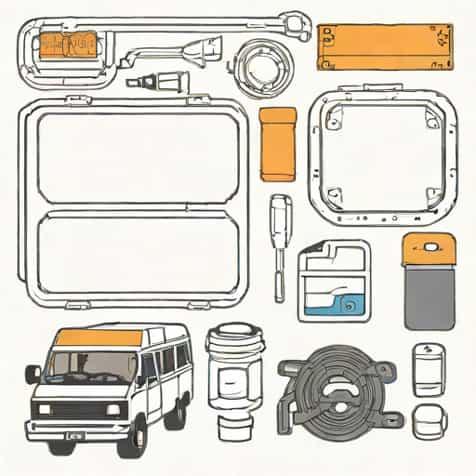
The Vanagon is a classic Volkswagen vehicle beloved by enthusiasts for its versatility, reliability, and iconic design. One of the common maintenance tasks for Vanagon owners is addressing issues with the fuel tank, particularly leaks or deteriorated seals. A Vanagon fuel tank reseal kit is an essential tool for maintaining the vehicle’s fuel system integrity. This kit allows owners to replace old gaskets and seals, preventing leaks, preserving fuel efficiency, and ensuring safe operation. Understanding the components, installation process, and benefits of a fuel tank reseal kit is vital for Vanagon owners who want to maintain their vehicle in peak condition while avoiding costly repairs caused by fuel system problems.
Understanding the Vanagon Fuel Tank
The fuel tank in a Vanagon serves as the primary reservoir for gasoline, supplying fuel to the engine through a network of lines, pumps, and filters. Over time, seals and gaskets within the tank assembly can deteriorate due to exposure to fuel, temperature fluctuations, and aging materials. Leaks from a compromised fuel tank can lead to reduced performance, environmental hazards, and safety risks. Therefore, maintaining the integrity of the fuel tank is crucial for vehicle longevity and reliable operation. A reseal kit provides the necessary components to restore the tank’s sealing surfaces, ensuring a secure and leak-free fuel system.
Components of a Fuel Tank Reseal Kit
A typical Vanagon fuel tank reseal kit contains several key components designed to address all potential leak points. These usually include
- New gaskets for the fuel pump and sender unit
- O-rings for fuel lines and connections
- Seals for the fuel tank access cover or sending unit
- Special lubricants or sealants recommended by the manufacturer
- Installation instructions tailored to the Vanagon model
Each component in the kit is designed to replace worn or degraded parts, restoring the tank to a condition that prevents fuel leakage and ensures proper pressure within the system. Using original or high-quality aftermarket kits ensures compatibility and long-lasting results.
Signs You Need a Fuel Tank Reseal
Knowing when to reseal the Vanagon fuel tank can save owners from more significant problems down the line. Common signs that a reseal is needed include visible fuel leaks under the vehicle, strong gasoline odors inside or outside the van, and inconsistent fuel gauge readings. Additionally, if the vehicle experiences poor engine performance or difficulty starting, it may indicate a compromised fuel delivery system. Regular inspection of the fuel tank and associated components helps identify potential issues before they become serious, and resealing at the first signs of wear is a cost-effective preventative measure.
Leak Detection
Detecting leaks in the Vanagon fuel tank involves both visual inspection and functional testing. Look for wet spots, stains, or the smell of gasoline around the tank, fuel lines, and sender unit. Pressure testing may also be employed to identify areas where seals are failing. Recognizing the early warning signs allows for timely intervention and avoids the risks associated with fuel spills, including fire hazards and environmental damage.
Impact on Fuel Efficiency and Safety
Leaking fuel can significantly reduce a vehicle’s fuel efficiency, as gasoline escapes before reaching the engine. This not only increases operational costs but also poses safety risks to the driver and passengers. A properly resealed fuel tank ensures that fuel is contained securely, reducing the risk of spills and fire hazards. Maintaining the tank with a reseal kit enhances overall safety while optimizing the vehicle’s performance.
Installation Process
Installing a Vanagon fuel tank reseal kit requires careful attention and proper preparation. The process generally includes draining the fuel, removing the fuel tank or access components, and replacing the old gaskets and seals with those provided in the kit. Adequate workspace, safety precautions, and the use of recommended tools are critical to a successful installation. While some experienced Vanagon owners can perform the reseal themselves, others may prefer professional assistance to ensure that the work is done correctly.
Step-by-Step Guide
The installation process typically involves the following steps
- Ensure the vehicle is on a stable surface and disconnect the battery.
- Drain any remaining fuel from the tank to prevent spills.
- Remove the fuel pump and sender unit carefully, taking note of their orientation.
- Remove old gaskets and seals, cleaning the surfaces thoroughly.
- Install the new gaskets and seals from the reseal kit, following the provided instructions.
- Reassemble the fuel pump and sender unit, reconnect fuel lines, and check for leaks.
- Refill the tank with fuel and test the system to confirm proper operation.
Following these steps carefully ensures a secure, leak-free seal and maintains the integrity of the Vanagon fuel system.
Benefits of Using a Fuel Tank Reseal Kit
Using a Vanagon fuel tank reseal kit offers numerous advantages for vehicle owners. First and foremost, it prevents fuel leaks, which improves safety and reduces the risk of fire or environmental hazards. Additionally, resealing the tank restores fuel system efficiency, ensuring that the engine receives a consistent fuel supply and operates optimally. The process can also extend the lifespan of the fuel tank and associated components, avoiding costly replacements in the future.
Cost-Effectiveness
Investing in a reseal kit is more cost-effective than replacing the entire fuel tank. Kits are relatively affordable and allow owners to address multiple potential failure points simultaneously. By performing regular maintenance using a reseal kit, Vanagon owners can prevent extensive repairs and maintain the vehicle’s value over time. It is a practical solution for those who wish to preserve their classic Volkswagen while minimizing ongoing expenses.
Enhanced Vehicle Reliability
A resealed fuel tank ensures reliable fuel delivery and consistent engine performance. This reliability is crucial for long trips, daily commuting, and off-road adventures, which are common uses for Vanagon vehicles. With a secure fuel system, drivers can enjoy peace of mind knowing that the risk of unexpected fuel leaks or engine interruptions is minimized.
Choosing the Right Reseal Kit
Not all fuel tank reseal kits are created equal, and selecting the right one is important for a successful installation. Owners should consider factors such as compatibility with their Vanagon model, the quality of materials used, and the completeness of the kit. High-quality kits include all necessary gaskets, seals, and instructions, ensuring a smooth installation process and long-lasting results. Reading reviews and consulting with Vanagon communities can also provide valuable insights when choosing a reliable reseal kit.
Original vs. Aftermarket Kits
Vanagon owners can choose between original equipment manufacturer (OEM) kits and aftermarket options. OEM kits typically guarantee precise fit and original specifications, while reputable aftermarket kits may offer improved materials or cost savings. Regardless of the choice, the focus should be on quality and compatibility to ensure the safety and effectiveness of the fuel tank reseal.
The Vanagon fuel tank reseal kit is an essential tool for maintaining the integrity, safety, and performance of this iconic vehicle. By replacing worn gaskets and seals, owners can prevent leaks, enhance fuel efficiency, and ensure reliable operation. Understanding the components, installation process, and benefits of a reseal kit allows Vanagon enthusiasts to make informed decisions and maintain their vehicles effectively. With proper use of a fuel tank reseal kit, the Vanagon can continue to provide dependable transportation and adventure for years to come, reflecting both the durability and the classic charm of this beloved Volkswagen model.