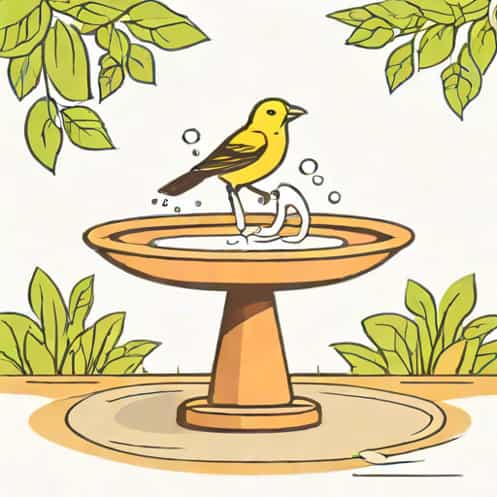
Keeping a birdbath clean is essential for attracting birds to your garden and ensuring their health and safety. Birds are susceptible to diseases that can spread through dirty water, making regular cleaning a top priority for responsible bird enthusiasts. A clean birdbath not only provides a safe source of water for drinking and bathing, but it also enhances the overall aesthetic of your garden. Understanding the proper techniques and frequency for cleaning, along with tips for preventing algae growth and debris accumulation, can help you maintain a bird-friendly environment throughout the year.
Why Clean Birdbaths are Important
Birds rely on clean water sources for hydration and feather maintenance. Dirty birdbaths can harbor bacteria, fungi, and parasites that pose serious health risks. Additionally, stagnant or contaminated water can become a breeding ground for mosquitoes, which can spread disease. By keeping your birdbath clean, you provide a safe, attractive spot that encourages more birds to visit your garden regularly.
Health Risks of Dirty Birdbaths
- Bacterial infections, such as salmonella, which can be transmitted to birds.
- Fungal infections that thrive in stagnant water and wet surfaces.
- Parasites and mosquito larvae that can proliferate in unclean water.
- Unpleasant odors and murky water that deter birds from visiting.
Frequency of Cleaning
The frequency of cleaning your birdbath depends on several factors, including climate, bird activity, and nearby vegetation. In warm weather or during heavy bird traffic, cleaning may be required every two to three days. During cooler months or periods of light usage, weekly cleaning may be sufficient. Regular maintenance prevents the buildup of algae, mold, and debris that can compromise the water quality.
Seasonal Considerations
- Spring and summer Clean every two to three days due to increased algae growth and higher temperatures.
- Fall Weekly cleaning is often sufficient, though falling leaves may require additional attention.
- Winter If your birdbath remains unfrozen, check periodically and remove any ice or debris.
Step-by-Step Cleaning Process
Cleaning a birdbath involves a few simple steps that ensure the water remains safe for birds without using harmful chemicals. Proper cleaning also helps prolong the life of the birdbath, whether it is made of concrete, metal, or plastic.
Step 1 Remove Water and Debris
- Empty the birdbath completely.
- Remove leaves, twigs, and any other debris using a small net or gloved hands.
- For stubborn dirt, use a brush to gently scrub the basin.
Step 2 Wash with Mild Soap or Vinegar
Use a mild dish soap mixed with warm water or a solution of one part white vinegar to nine parts water. Avoid harsh chemicals like bleach, which can harm birds if not rinsed thoroughly. Scrub the entire surface of the birdbath, paying special attention to corners and crevices where algae and bacteria may accumulate.
Step 3 Rinse Thoroughly
Rinse the birdbath several times with clean water to remove all soap or vinegar residue. Any remaining cleaning solution can be harmful to birds, so it is important to ensure the basin is completely clean and free of chemicals.
Step 4 Refill with Fresh Water
Fill the birdbath with fresh, clean water. If possible, use water from a safe source, such as filtered tap water or rainwater. Refill regularly to prevent stagnation, especially in warm weather when evaporation and contamination can occur quickly.
Preventing Algae and Debris
Preventive measures can reduce the frequency of deep cleaning and keep your birdbath looking inviting for birds. Proper placement, water movement, and protective measures can significantly improve water quality.
Place the Birdbath Strategically
- Position in a partially shaded area to slow down algae growth.
- Avoid placing under overhanging trees to minimize falling leaves and debris.
- Ensure visibility for birds to feel safe from predators while drinking or bathing.
Encourage Water Movement
Adding a small fountain, dripper, or solar-powered water feature keeps the water circulating. Flowing water discourages algae growth, reduces mosquito breeding, and attracts more birds with the sound and movement of water.
Use Bird-Safe Treatments
Occasionally, adding a few drops of unscented, bird-safe water treatments can help control algae. Avoid any chemical additives that are toxic to birds. Regular water changes remain the most effective method for maintaining cleanliness.
Extra Tips for Maintaining a Clean Birdbath
- Consider using a birdbath liner or shallow stones for easy cleaning and to prevent slipping.
- Keep a scrub brush or dedicated cleaning tool near the birdbath for convenience.
- Monitor water levels daily during hot weather to prevent drying out and bacterial buildup.
- Encourage a diverse bird population by maintaining multiple clean water sources in your yard.
Maintaining a clean birdbath is crucial for the health and safety of visiting birds, as well as for keeping your garden attractive and inviting. Regular cleaning, proper placement, and preventive measures such as water movement and debris management can help ensure your birdbath remains a safe haven. By following these steps, you not only protect local wildlife but also enjoy watching a variety of birds frequent your garden. Consistency, attention to detail, and simple cleaning routines make a significant difference in creating a healthy and sustainable water source for birds throughout the year.