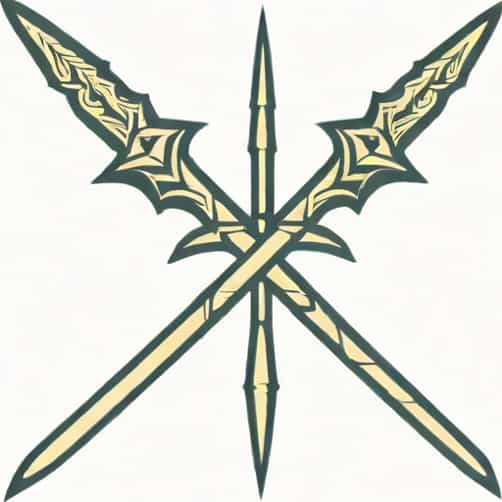
The name Twinblades of the Deceiver carries with it an air of mystery, danger, and dark power. It immediately sparks images of curved weapons infused with sinister energy, designed not only to strike down enemies but also to embody the very essence of deception. Whether considered through the lens of mythology, fantasy gaming, or literary symbolism, the concept of twinblades suggests agility, speed, and lethal precision. Adding the title of the Deceiver gives these weapons a chilling identity, linking them to trickery, shadow, and betrayal. To understand the significance of Twinblades of the Deceiver, one must explore their possible origins, their symbolic weight, and the roles they play in stories of combat and conquest.
Origins of the Twinblades
Twinblades are a type of weapon traditionally depicted in fantasy lore. Unlike single swords or axes, they are meant to be wielded in pairs, creating a fighting style based on speed and relentless assault. In history, dual-wielding weapons existed in various martial traditions, though often as a skill reserved for elite warriors who could handle the complexity of using two blades at once. The twin aspect of these blades implies a bond between them, as though they are forged together with one purpose in mind.
Possible Inspirations
- Mythological WeaponsMany legends tell of cursed or enchanted swords, and twinblades could draw inspiration from such myths.
- Eastern Martial ArtsIn some traditions, paired weapons were used for speed and unpredictability, similar to the idea of the deceiver.
- Fantasy GamingIn modern times, games often feature dual-wielded weapons that allow players to embody fast, deadly characters.
The Title Of the Deceiver
Adding the phrase of the Deceiver transforms these twinblades from mere weapons into artifacts of great narrative power. A deceiver suggests trickery, illusions, and betrayal. These weapons may not just kill-they may mislead, confuse, or corrupt. Their wielder could be seen as someone who thrives in the shadows, using cunning rather than brute strength to achieve victory.
Symbolism of Deception
Weapons tied to deception often symbolize betrayal of trust. They may strike unexpectedly, like a dagger in the dark. The twinblades could represent duplicity, as each blade might mirror the other, reflecting the dual nature of truth and lies, or light and shadow. This makes them perfect symbols for characters who embody both charisma and danger.
Design and Appearance
Imagining the physical form of the Twinblades of the Deceiver brings their essence to life. They would likely be curved, sharp, and elegant-crafted to reflect not only their deadly purpose but also the beauty of illusion.
Key Features
- Dark MetalForged from obsidian-like steel or enchanted alloys that shimmer in unnatural light.
- Runic InscriptionsSymbols of deceit, perhaps glowing faintly with sinister energy.
- Lightweight BuildDesigned for speed and agility, enabling rapid strikes and evasive maneuvers.
- Dagger-Like PointsPerfect for piercing as well as slashing, allowing versatility in combat.
Combat Style with Twinblades
Fighting with twinblades requires finesse, dexterity, and an instinct for deception. Unlike heavy weapons that rely on raw strength, twinblades thrive on unpredictability. The wielder could strike from unexpected angles, overwhelm opponents with speed, and retreat into the shadows before a counterattack.
Tactical Advantages
- Ability to strike multiple times in quick succession
- Flexibility in offense and defense
- Psychological impact on enemies who struggle to predict movements
- Opportunities for feints, distractions, and trick strikes
Legends of the Twinblades of the Deceiver
Every legendary weapon has a story behind it, and the Twinblades of the Deceiver would be no exception. Legends might say they were forged in betrayal, perhaps created for a warlord who turned on his allies, or a rogue assassin who earned infamy through trickery. Their legacy would be steeped in both fear and awe, marking them as weapons not only of death but of reputation.
Possible Legends
- Forged by a blacksmith who sold his soul to craft the perfect tools of assassination.
- Once wielded by a fallen knight who betrayed his king and slaughtered him in secret.
- Rumored to whisper lies to their wielder, tempting them into greater acts of deception.
Symbolism in Fantasy Storytelling
In the realm of storytelling, the Twinblades of the Deceiver would symbolize the dark side of ambition and cunning. They are not simply instruments of war but metaphors for the dangers of dishonesty and betrayal. Characters who wield them are often morally complex-villains, antiheroes, or those walking the fine line between light and darkness.
Storytelling Roles
- The AssassinA shadowy figure who uses the twinblades for silent, swift kills.
- The BetrayerA trusted ally who reveals their treachery through the strike of these blades.
- The RedeemerA former deceiver seeking redemption, burdened by the cursed blades.
The Allure of Dark Weapons
Weapons like the Twinblades of the Deceiver captivate audiences because they embody forbidden power. People are drawn to the aesthetic of danger, to the allure of something both beautiful and deadly. In fantasy culture, such weapons often symbolize temptation-the promise of victory at the cost of morality.
Modern Interpretations
Today, the idea of the Twinblades of the Deceiver resonates strongly within gaming, literature, and art. Players in role-playing games might select twinblades as their weapon of choice, reveling in the speed and danger of dual-wielding. Writers may craft characters whose personalities mirror the dual nature of the blades charming on the surface, but dangerous underneath.
Gaming Context
In video games, twinblades often appear as high-speed melee weapons, perfect for rogue or assassin archetypes. Their deceptive speed and style make them a favorite for players who prefer agility over brute force.
Literary Context
In novels or short stories, the Twinblades of the Deceiver could serve as a central symbol-representing betrayal, hidden truths, or the cost of wielding forbidden power. They would add depth to narratives about trust, loyalty, and corruption.
The Twinblades of the Deceiver are more than weapons-they are symbols of speed, cunning, and betrayal. They reflect the duality of strength and deception, offering both beauty and danger in equal measure. Whether imagined as artifacts in a fantasy world, as metaphors in storytelling, or as iconic weapons in gaming, they capture the imagination. Their legacy lies not only in their sharp edges but also in the ideas they represent trust shattered, shadows embraced, and the eternal allure of forbidden power. Through these twinblades, the deceiver’s legacy lives on, sharp and unyielding, in every story they touch.