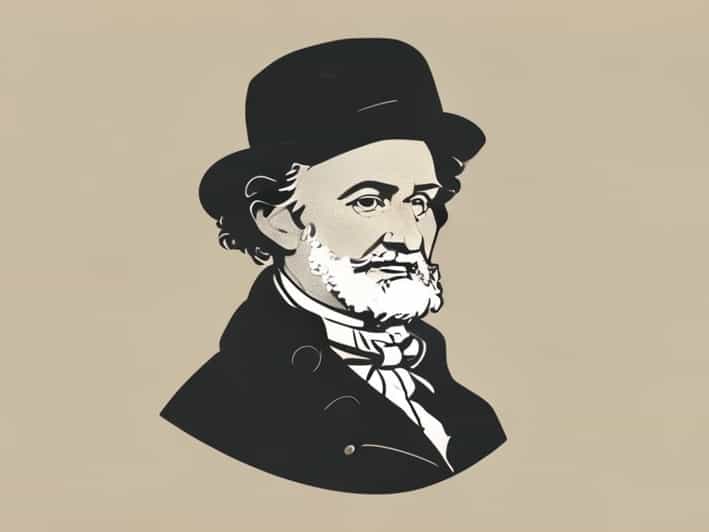
Henry Wadsworth Longfellow remains one of the most celebrated American poets, known for his lyrical style, storytelling ability, and deep connection to both American culture and universal human themes. Born in 1807 in Portland, Maine, Longfellow’s poetry bridged the gap between the early American literary tradition and the rise of a distinct national voice. His works explored history, legend, love, and nature, capturing the imagination of readers in the 19th century and influencing generations of poets who followed. Longfellow’s poetic contributions are not only a reflection of his time but continue to resonate due to their rhythm, accessibility, and emotional depth.
Early Works and Literary Beginnings
Longfellow began his literary career as a scholar and translator before gaining fame as a poet. His early works included translations of European poets, most notably the epic The Divine Comedy by Dante. These translations demonstrated his mastery of language and poetic form while introducing American audiences to European literary traditions. His first collections of poetry, such as Voices of the Night (1839), contained both personal reflections and narratives inspired by his travels and studies. These poems were characterized by their lyricism, moral themes, and the musical quality of his verse.
Major Poetical Works
Evangeline
One of Longfellow’s most famous works is Evangeline A Tale of Acadie (1847). This narrative poem tells the story of a young Acadian woman who is separated from her beloved during the Expulsion of the Acadians in the 18th century. The poem’s haunting portrayal of love, loss, and endurance captured the public’s imagination. Longfellow’s use of dactylic hexameter gave the poem a rhythmic flow, making it memorable and widely recited. Evangeline is not only a story of personal tragedy but also a reflection on history and human resilience.
The Song of Hiawatha
Another significant work is The Song of Hiawatha (1855), which draws from Native American legends and oral traditions. Longfellow skillfully combined the cultural narratives of the Ojibwe and other tribes with his own poetic imagination. The poem’s trochaic tetrameter rhythm gives it a musical and chant-like quality, enhancing its storytelling appeal. The Song of Hiawatha explores themes of nature, heroism, and the spiritual connection between humans and the natural world, showcasing Longfellow’s ability to blend folklore with poetic artistry.
The Courtship of Miles Standish
Published in 1858, The Courtship of Miles Standish is a narrative poem that blends history and romance. Set in early colonial America, the poem tells a story of love and friendship involving the Pilgrims. Longfellow’s careful attention to historical detail, combined with his gentle humor and vivid characterizations, makes this work both educational and entertaining. The poem emphasizes moral virtues, community, and the human emotions that transcend time.
Thematic Elements in Longfellow’s Poetry
Longfellow’s poetry is distinguished by several recurring themes that contribute to its lasting appeal
- Love and LossMany of his poems explore deep personal emotions, often reflecting on the power of love, the pain of separation, and the endurance of memory.
- NatureLongfellow often depicted nature as a source of inspiration, beauty, and spiritual reflection. His descriptions of landscapes are vivid and serve as metaphors for human experiences.
- History and LegendHistorical events and folklore provide a backdrop for his narratives. Works like Evangeline and Hiawatha illustrate his interest in connecting readers with the past.
- Moral and Ethical ReflectionsMany poems carry messages about virtue, perseverance, and the human capacity for kindness and courage.
Style and Poetic Techniques
Longfellow’s style is characterized by clarity, musicality, and narrative structure. He favored rhyme and meter, often using traditional forms such as hexameter and tetrameter to create rhythmic harmony. His poetry was designed to be accessible to a broad audience, avoiding overly obscure language while maintaining literary sophistication. Imagery, symbolism, and careful attention to rhythm are hallmarks of his work, making it both engaging to read and memorable when recited aloud. Longfellow’s ability to combine storytelling with lyrical beauty is a defining feature of his poetic legacy.
Influence on American Literature
Longfellow played a significant role in shaping American literature. At a time when the nation sought its cultural identity, his poetry helped establish a distinctly American voice while still drawing from European literary traditions. He was widely read, appreciated by both scholars and general readers, and his works were included in school curricula. Longfellow also inspired other writers to explore American history, legends, and social themes, fostering a literary culture that valued both narrative and poetic expression.
Legacy and Recognition
During his lifetime, Longfellow was celebrated as one of the foremost poets of America. His popularity extended beyond the United States, with translations of his works reaching audiences in Europe. Monuments, commemorative events, and ongoing scholarly interest reflect the enduring appreciation of his contributions. Despite changing literary tastes, Longfellow’s emphasis on accessible verse, human emotion, and storytelling continues to resonate with readers today.
The poetical works of Henry Wadsworth Longfellow represent a remarkable blend of lyricism, narrative skill, and cultural reflection. From the romantic tragedy of Evangeline to the epic storytelling of The Song of Hiawatha, his poetry captures the imagination while exploring universal themes of love, loss, history, and nature. Through his clear style, musicality, and engaging narratives, Longfellow helped shape American literature and left a legacy that continues to inspire readers and writers alike. Understanding his works provides insight into 19th-century America, the development of national identity, and the enduring power of poetry to connect hearts and minds across time.